
How Exercise Affects Your Brain
8 benefits of exercise for your brain and mental health
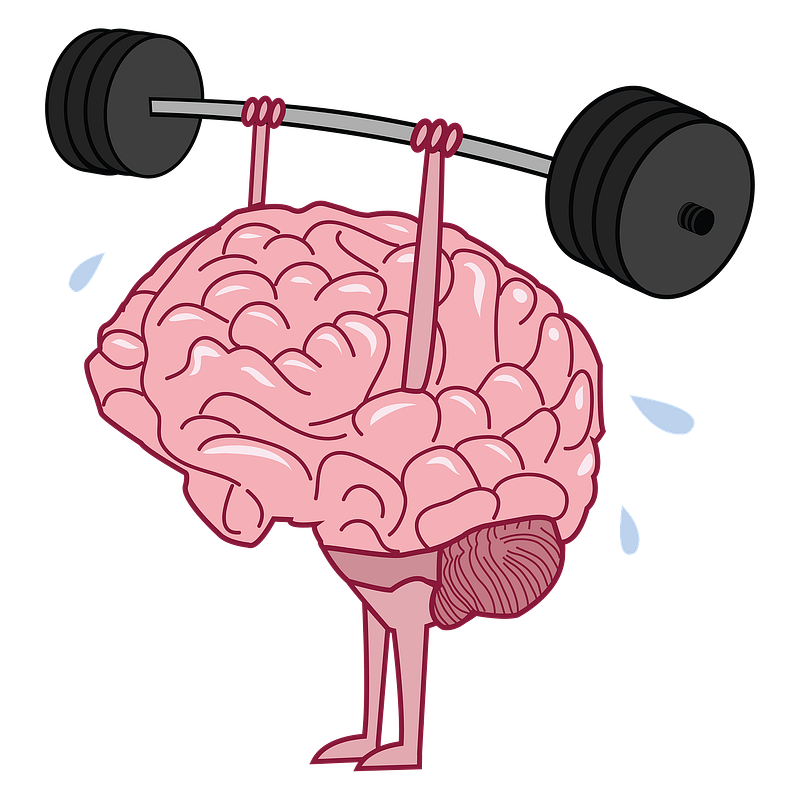
Exercise, more than just about physical health
Exercise is just not about physical health and muscle size. Sure it improves your physical body, slims your waist, enhances sex life, and even adds years to your life. Regular exercise will give you a sense of well-being, gives you more energy, and more regular sleep at night. Exercise will sharpen your memories and make you feel more relaxed and positive about yourself. It is also powerful for common mental health problems.
Exercise and mental health
Exercise has a real effect on depression, anxiety, and ADHD. It reduces stress, enhances your memory, and gives you more satisfying sleep. It will increase your overall mood. Just a reasonable amount of exercise can make a big difference to your mental health. No matter your age or fitness level, you can use exercise as a tool to deal with mental health problems. It will improve your memory and outlook so you can get more out of life.
How exercise affects your brain
Exercise improves the growth factors in the brain, making it easier to grow new neuronal connections. Exercise affects the brain in many ways. It increases your heart rate and pumps more oxygen to your brain. It helps release hormones, which also provide a great atmosphere for the growth of brain cells. Exercise also elevates brain plasticity; by spurring the growth of new connections between cells in many important cortical areas in the brain.
8 ways exercise helps your brain
- Builds more brain cells - Exercise stimulates the production of a brain protein called Noggin; this protein starts the production of neurogenesis and stem cells.
- Aids learning and memory - Advances memory function, learning, and the ability for abstract reasoning.
- Increases concentration - Helps you focus and stay on tasks longer.
- Enhances creativity - Psychologists support the claim that exercise aids in the creative process.
- Improves mental health - Effective in treating depression and reducing stress.
- Slows cognitive decline -30 minutes of exercise 3–5 days a week can fend off the onset of dementia.
- Improves circulation - Increases your heart rate passing more oxygen and glucose to the brain.
- Prevents disease - Being physically fit helps to delay or prevent the decline of cognitive function associated with age. Inactive people are twice as likely as people who are active to develop diseases like Alzheimer's.
Final thoughts
You can see the benefits of exercise for your brain and mental health are just as impressive as it is for your physical health. Being inactive is dangerous for your waistline as it is for your mind. Find an activity and do it or just go for a walk.
Last words
Please consult your physician before making any changes in your diet, exercise, or taking any dietary supplements.
This content is not intended to be a substitute for professional medical advice, diagnosis, or treatment. Always seek the advice of your physician.
If you like my stories and would like to support my work you can buy me a cup of coffee. Thank you for reading! https://www.buymeacoffee.com/LauraKnapke1968


