How E-Commerce Has Changed the Face of the Cosmetics Industry
Online Retailing has brushed every industry sector

Over the past decade, e-commerce has touched every industry sector, from airlines to engineering.
This isn’t surprising considering the overall societal shift and ease of buying pretty much anything online, at any time, on-demand.
So how has this phenomenon influenced the beauty sector?
Beauty
In the last few years, there has been a spike in online sales in the health and beauty sector, especially cosmetics.
In fact, new cosmetics brands are emerging at an incredible rate here in Ireland.
Statistica.com indicates that Sales revenue in Ireland alone will “increase from $120.4m (€107.32m) in 2012 to $162.4m (€144.76m) by 2023.”
In just over a decade, the annual spending will increase by 35%.
What's even more interesting is that the growth in Natural Cosmetics outperforms other niches by a huge margin, averaging over 9% from 2019 onwards compared to other product segments, ranging from 1.4% and 2.47%.
The natural cosmetics appeal is evident considering that Irish startup, Bia Beauty, was recently acquired by Codex Beauty, a global player in the cosmetics space.
Tracey Ryan, a new mom and college student described herself as:
“Absolutely broke at the time, but she managed to get the brand off the ground with a credit union loan of 5,000 euros.”
Early on, investors supported Bia. Ryan promptly bought them out because they didn’t share her vision for the brand.
She said:
“Basically, we survived off our profits. We ran Bia on a shoestring from day one right up until we were bought out. Many loyal customers already know what cosmetics brand they want to buy from. (Beautyindependent.com)
For those who seek innovative new products, cosmetic brands utilize trusted beauty influencers to recommend their products and allow customers to see their products in action, via channels such as blogs and YouTube.
Is Ireland a Hotbed For Emerging Cosmetics Brands?
With the Bia Beauty acquisition in mind, Ireland seems to have a wealth of entrepreneurial brands popping up countrywide.
Kinvara Skincare, SoSu, and Blank Canvas are some examples of Irish brands that successfully compete with Global players.
Furthermore, the Irish Beauty marketplace, Cloud10Beauty.com, offers consumers a one-stop-shop to buy multiple brands in one transaction.
Cloud10 offers brands a niche alternative to Amazon and eBay to enhance brand exposure to a relevant audience.
Order Fulfilment, Kitting & Shipping for Cosmetics
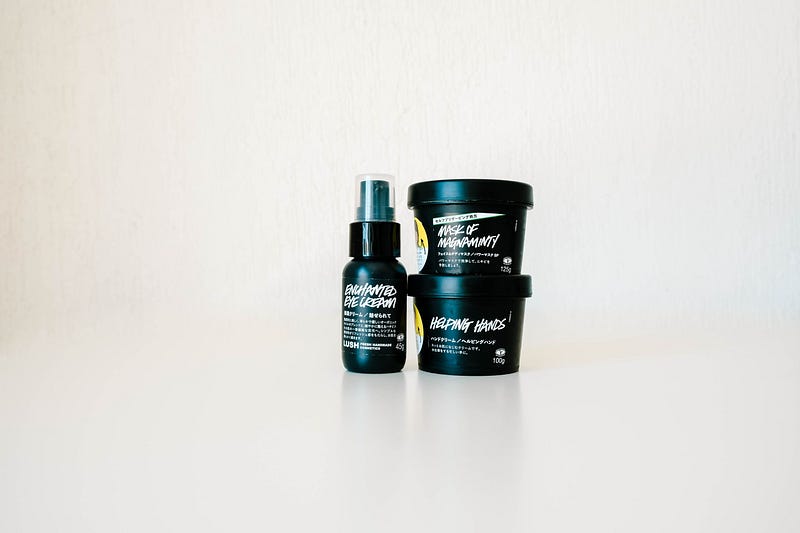
Most cosmetics brands sell bundles, hampers or gift sets via their online store.
Sets offer customers better value for money and in most cases achieve the minimum spend for free shipping.
That said, sets must be kitted via the supply chain (at source) or by a fulfilment partner — specialists in cosmetics gift-sets with the agility to change or add new kits on demand.
In fact, Personalised kits can only be done through a fulfilment company.
Brands require special packaging or presentation to enhance consumer experience upon delivery of each order.
Inserts, gifts, wrapping, samples and promotional material.
This strategy enables online retailers to convert repeat business through an array of multichannel tactics, a feature that’s tangible for the consumer.
The Market
Shipping is an important feature for cosmetics brands and their consumers. Pymnts.com states that:
“Women spend $3,756 a year (around $313 a month), for a lifetime cost of $225,360” on cosmetics.
So retention is vital for cosmetics brands, as such fulfilment and shipping are key to achieve this objective.
Most industry brands seek to track and trace service to enhance CX while protecting the value of what is normally a high-value order, up to “€313 a month” per consumer, based on research.
How Technology Contributes To Online Cosmetics Buyer Behaviour
Online retailers have adopted various marketing channels to drive sales. These technologies and support services enhance the multi-channel shopping experience for customers.
Final Thoughts
So what are the new tools that have contributed to the increase from out-of-store purchases to cosmetics online?
Social Media — Cosmetics
Instagram empowers brands to interact directly with their customers in a visual manner, allowing customers to shop directly from a post.
The ability to instantly purchase a product has improved engagement and conversion for cosmetics brands.
Cosmetics — A topic to celebrate
Pure-online brands like Glossier and Kylie Cosmetics are some of the top beauty brands in the last few years, proven by their phenomenal growth.
Celebrities have the reach to create a “buzz” even before products are released to the public, generating huge revenues before a product is even shipped with pre-order discounts.
From a pure business perspective, this significantly enhances a brand's cash flow and value as a result.
Such brands also market themselves, their celebrity persona, differentiating from traditional beauty lines.
Word of mouth through social media has created a hype that exposes consumers to products more frequently than ever before.
Specialization — Cosmetics
Through the specialization of skin types, skin pigments, and types of cosmetic products, customers can narrow their search to get recommendations just like they would in-store.
This product-led personalization approach empowers customers to feel supported throughout their entire shopping experience.
One brand that springs to mind is Alabaster Skin from New Zealand.
Alabaster Skin offers a niche proposition to consumers.
I’m a man, so no expert in skincare. With that in mind, I’d rather refer readers to this article for deeper insights.
Cosmetics — Product Information
Consumers prefer to shop for their cosmetics online because they are able to see the ingredients, recommended skin type, customer reviews, and blogs written on the product within seconds of their search.
After which they can conduct their own research thereafter.
This consideration time differs from the offline experience where the comparison is more time-consuming.
Shopping at a store cannot offer the same speed and access to product information online, which is instantaneous.
It’s a completely different experience!
Customers that buy cosmetics online often feel more informed on the product than they would if they bought it in-store — research online and purchase offline (ROPO).
Cosmetics — Augmented Reality
Augmented Reality has only recently started to be implemented into cosmetics brands online, via websites.
This system allows customers to see what a product would look like on them.
This is a great way for brands to introduce new products to a customer and engage for longer through the AR appeal.
AR driven-brands can tailor and recommended products to fit customers’ complexion and skin type.
That said, this technology is in its infancy and can be complex and expensive to implement.
Despite this, AR offers a new dimension to further revolutionize the cosmetic and fashion industry online.
In conclusion, the cosmetics industry may, in fact, revolutionize e-commerce over the coming years.
If so, the future for online retailing looks bright — I mean beautiful!
References
- Alabaster. (2020). Alabaster. [online] Available at: https://alabasterskin.com/ [Accessed 26 Feb. 2020].
- Autofulfil. (2020). Autofulfil | Ecommerce Order Fulfillment, The Fulfilment Experts | Autofulfil.com. [online] Available at: https://autofulfil.com/ [Accessed 26 Feb. 2020].
- Cloud 10 Beauty. (2020). Cloud10Beauty.com | Buy Beauty Products, Cosmetics, Skincare online. [online] Available at: https://www.cloud10beauty.com/ [Accessed 26 Feb. 2020].
- McCormack, C. (2019). Multibrand Company Codex Beauty Launches With Irish Skincare Line Bia — Beauty Independent. [online] Beauty Independent. Available at: https://www.beautyindependent.com [Acc. 26 Feb. 2020].
- PYMNTS.com. (2017). Groupon How Much Spent On Beauty And Wellness | PYMNTS.com. [online] Available at: https://www.pymnts.com [Accessed 26 Feb. 2020].