avatarRomaric Jannel

Free AI web copilot to create summaries, insights and extended knowledge, download it at here

1448

Abstract

dium.com</p></div> </div> <div> <div style="background-image: url(https://miro.readmedium.com/v2/resize:fit:320/0*x-qBBqEYwdV7sS-0)"></div> </div> </div> </a> </div><p id="1bf0">On one hand, Youtube, like many forms of media, promotes content that the viewer will not only enjoy, everything in a media is not fun, but that will make that viewer more likely to continue looking at content.</p><p id="283d">Such efforts to get people’s attention are becoming increasingly pervasive in our world, and not just in some online activities. Moreover, media and social networking services are, of course, designed to get people to use them and to try to make money from them, which is pretty normal for a business.</p><p id="4e13">On the other hand, people use such services for entertainment, to facilitate some dimensions of their daily lives, and in some cases to reduce ignorance (e.g., reading and learning online) or loneliness (interacting with people despite physical distance).</p><p id="d48e">Creators using platforms like Youtube need exposure to make a business out of their digital creations, which are nothing more than online products. Getting exposure here means getting and keeping people’s attention.</p><figure id="b5d3"><img src="https://cdn-images-1.readmedium.com/v2/resize:fit:800/1*4BQ4aqqKcwcrvDeeXSOrqw.jpeg"><figcaption>Image by Makromedya o

Options

n <a href="https://www.canva.com/">Canva</a></figcaption></figure><p id="31ac">They promise you amazing things in ways that are unlikely to deliver. In other words, they exaggerate, promote false information or lie, for example about their success. For them, this is precisely the way to success.</p><p id="910f">We have to admit that we are collectively used to it, as if it were more or less inevitable. However, if your real estate agent lied to you like that, you would probably sue them in court and they could be condemned for their behavior. People will just say, “They were crooks!”.</p><p id="e3b7">I am not a lawyer; just a thinker who is surprised at what he sees. I have no clear solution. I just feel that if some of these creators were really aware of what they were doing, they would (for at least some of them) change it. The key may be to refocus our attention on what really matters, on the quality of the relationships we have with other beings.</p><p id="fbf8"><i>Thank you for reading. If you enjoyed it and would like to support me, there are several ways, all of which I would greatly appreciate.</i></p><ol><li><b><i>Engage with this article by clapping, commenting, highlighting it.</i></b></li><li><a href="https://medium.com/@RomaricJannel/subscribe"><b><i>Subscribe to my Medium stories.</i></b></a></li><li><a href="https://ko-fi.com/philosophytoday"><b><i>Buy me a coffee</i></b><i>!</i></a></li></ol></article></body>

How does the quest for people’s attention make Youtube’s creators worse people than they were in the first place?
YouTube thumbnail by Space Artwork Studio on Canva

Like many people, I use Youtube. I enjoy watching videos to learn different things from daily news, in-depth analysis, scientific lectures, and even to improve my workouts. But I feel that the quest for people’s attention has led to some morally problematic habits among creators.

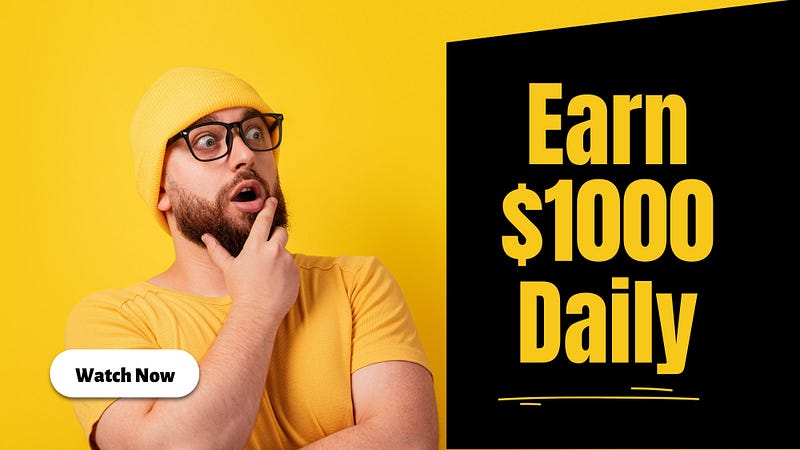
On YouTube, it is common to see video titles and thumbnails that are designed to get you to watch the video rather than honestly describe what the video is about. We even have a word fo it; its called clickbait. When the content of a video is presented as something amazing, it usually turns out to be at least disappointing, if not outright misleading or false.

On one hand, Youtube, like many forms of media, promotes content that the viewer will not only enjoy, everything in a media is not fun, but that will make that viewer more likely to continue looking at content.

Such efforts to get people’s attention are becoming increasingly pervasive in our world, and not just in some online activities. Moreover, media and social networking services are, of course, designed to get people to use them and to try to make money from them, which is pretty normal for a business.

On the other hand, people use such services for entertainment, to facilitate some dimensions of their daily lives, and in some cases to reduce ignorance (e.g., reading and learning online) or loneliness (interacting with people despite physical distance).

Creators using platforms like Youtube need exposure to make a business out of their digital creations, which are nothing more than online products. Getting exposure here means getting and keeping people’s attention.

Image by Makromedya on Canva

They promise you amazing things in ways that are unlikely to deliver. In other words, they exaggerate, promote false information or lie, for example about their success. For them, this is precisely the way to success.

We have to admit that we are collectively used to it, as if it were more or less inevitable. However, if your real estate agent lied to you like that, you would probably sue them in court and they could be condemned for their behavior. People will just say, “They were crooks!”.

I am not a lawyer; just a thinker who is surprised at what he sees. I have no clear solution. I just feel that if some of these creators were really aware of what they were doing, they would (for at least some of them) change it. The key may be to refocus our attention on what really matters, on the quality of the relationships we have with other beings.

Thank you for reading. If you enjoyed it and would like to support me, there are several ways, all of which I would greatly appreciate.

  1. Engage with this article by clapping, commenting, highlighting it.
  2. Subscribe to my Medium stories.
  3. Buy me a coffee!
Clickbait
YouTube
Philosophy
Psychology
Mindfulness
Recommended from ReadMedium