
HOW DOES PLAY IMPACT A CHILD’S EMOTIONAL AND SOCIAL GROWTH?
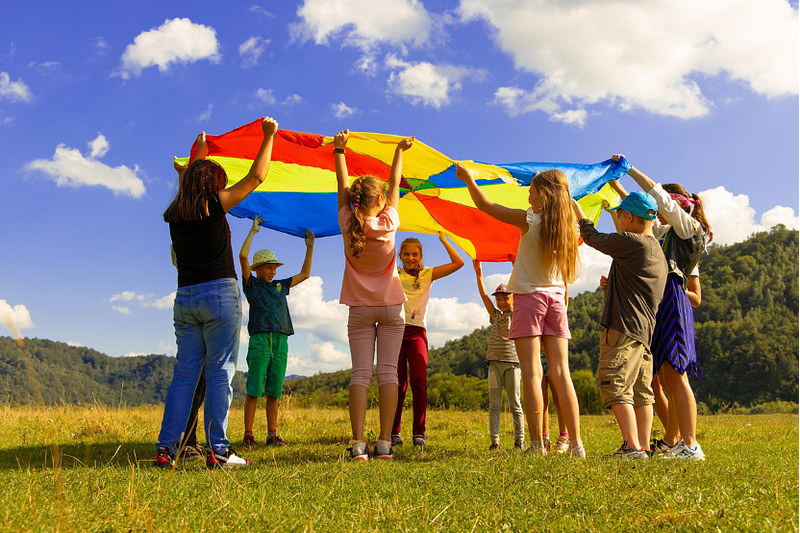
From prehistoric times to the present, plays have defined human amusement and social interaction. Play has been shown to have a profound impact on a person’s social and emotional development, going beyond simple amusement. We can gain a deeper understanding of play’s significance in human existence by examining its precise effects on these domains.
Apart from merely broadening interpersonal connections, playing frequently establishes a unique community among participants, underscoring the need for collective harmony. Playing cooperative games helps players build strong relationships based on mutual trust and solidarity. Their capacity to collaborate in a group setting is improved through team building, which helps them apply these abilities to other facets of life.
Play also functions as a tool for managing and expressing emotions. In the heat of battle, tension rises along with the thrilling thrill of victory, yet rivalry may also lead to conflicting emotions. Children who can handle these kinds of situations are better able to balance their emotions and grow psychologically resilient. Play encourages cooperation and overcoming emotional obstacles.
This is an essential way for children to learn these abilities, which are vital for balanced social and emotional development in a world where interaction is necessary all the time.
In general, play has a significant role in social and emotional growth. It fortifies the competencies necessary for a smooth assimilation into society by encouraging cooperation and competition. It also provides a secure environment for the expression of emotions and the growth of a positive emotional universe. As a result, playing proves to be useful for developing a well-rounded and sophisticated human mentality in addition to being a fun pastime.


