
How Does Limulus Amebocyte Lysate Help You Live a Better Life?
Why Primitive Horseshoe Crabs are so Crucial and Handy Strategies to Help us Conserve them.
Limulus Amebocyte Lysate.
Say it out loud a few times. Don’t try to think about what it might mean, just say it. Softly. To yourself.
It has a really nice sound to it and glides nicely on your tongue, doesn’t it? Kind of poetic.
When I say the first word, Limulus, I get an image of clouds, as in Cumulus or Cumulo-nimbus clouds, which kinda float in the sky.
The Amebocyte Lysate part finishes it off and the image I get from those two words is of water gently flowing.
This is sort of what Limulus Amebocyte Lysate is. It’s a concentrated fluid that is made from Limulus (the genus name of Atlantic Horseshoe Crabs) Amebocytes (Horseshoe Crab blood cells).
The Amebocyte cells are broken apart and what comes out of the cells is the Lysate. To lyse a cell is to destroy it by breaking it apart. The cell is killed and its contents (the lysate) are released to the environment.
origin: from lysis < from Latin lysis, from Ancient Greek λύσις (“'loosening'”). Why should you care about Limulus Amebocyte Lysate?
Have you ever received a flu shot? Or know someone with an organ transplant or joint replacement? Has your pet had a rabies vaccination? If so, then you are in debt to the horseshoe crab, Limulus, and its amebocyte lysate.
This lysate is used to check all those medical procedures to ensure that you don’t get infected with the kinds of bacteria that can cause serious diseases like pneumonia or meningitis.
How does this lysate do that?
Horseshoe crab blood cells react very quickly and vigorously with endotoxins. These are substances produced by the bacteria that can infect you. So if endotoxins are present, there is a very high risk that you could be infected and contract a serious disease.
In this article, we’ll see how these creatures have been used by traditional and modern cultures and learn a little bit about their biology and ecology. We’ll also see how horseshoe crab blood detects these endotoxins. You’ll also learn about the scientists that made this discovery.
We’ll look at how horseshoe crab blood is acquired, how the crabs are treated after their blood has been harvested and the rate of success in returning them back to the ocean. We’ll also look at a synthetic compound that detects endotoxins and may eliminate the need to use horseshoe crab blood.
Lastly, we’ll look at why we need to ensure the continued survival of horseshoe crabs.
That’s quite a lot of material so let’s get to it!
A Quick Introduction to Horseshoe Crabs
Horseshoe crabs have been around for more than 450 million years. They “arrived” on the scene about 100 million years before the dinosaurs. They are often referred to as living fossils.
And they are not really crabs!
Although they are in the same evolutionary division as crabs, they are most closely related to the trilobites which have been extinct for over 500 million years. The living organisms they are most closely related to are spiders!
There are four known living species of horseshoe crabs. Three of the species are found in Asia and only one, Limulus polyphemus, is found in North America on the Atlantic coast where they also go by the names horsefoot or saucepans. All four species are similar in appearance.
Note: Limulus means “askew” and polyphemus refers to the one-eyed giant son of Poseidon and Thoosa in Greek mythology. His name, Polyphemus, means "abounding in songs and legends". It is based on the bygone misconception that horseshoe crabs had a single eye.As horseshoe crabs have been around for so many millennia it is not surprising that they have been used by traditional cultures.
In North America, traditional Indigenous peoples ate their eggs as food. In modern times, they more commonly use horseshoe crabs as bait.
When they produce fertilized eggs, the smaller male horseshoe crab physically attaches himself to a female.
The Japanese Connection
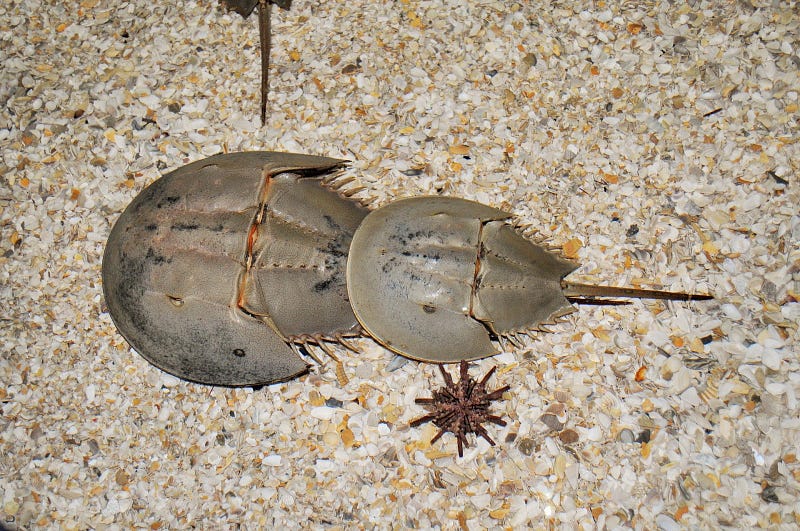
In Japan, they are called kabutogani and their mating behaviour has spawned the phrase kabutogani-no-chigiri. It compares the loving, caring and committed relationship between a husband and wife to that of a pair of horseshoe crabs.
In the past, Japanese fishermen considered it a good omen to harvest a pair of horseshoe crabs from their first net dropped into the ocean on the first day of the Tai (sea bream) season.
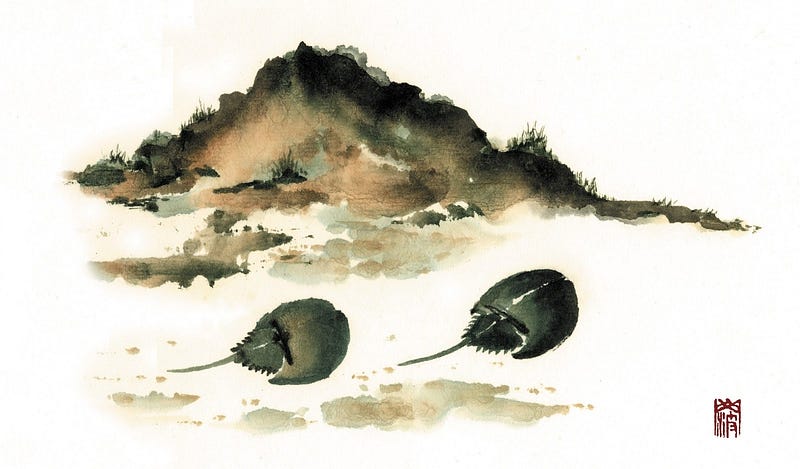
Horseshoe crabs are also found in Japanese art. The featured artwork leading off this post is one example.
The pieces by Takeshi Yamada, displayed below, are based on Japanese mythology about the origin of the Kabutogani (Warrior’s Helmet Crab).

An abbreviated version of that story is as follows:
A Japanese Civil War called Genpei Gassen took place from 1180 AD to 1185 AD. It was a war between the powerful Minamoto and Taira families. Rulership of Japan had seesawed back and forth between these two families for many years.
In the late 12th century, Minamoto Yoritomo, the son of the great Minamoto leader Yoshitomo sought to unseat the Taira family’s rule. To keep the story short and sweet, his efforts were successful and resulted in the Minamoto’s establishment of the Kamakura shogunate, a military dictatorship that dominated Japan from 1192 to 1333.
So where do the horseshoe crabs come in?
The final stage of the war took place on the ocean at Dannoura, where the Minamoto family won a decisive battle. Many Taira Samurai warriors, soldiers and family members committed suicide.
Near the beach of Dannoura, there is a place where many Japanese horseshoe crabs can be found. The Japanese claim that if you look down on the top of a horseshoe crab, you can see a Samurai warrior’s face on the shell. People in the region explain that those who died became horseshoe crabs based on the Buddhism doctrine of the Rinne Tensei (Reincarnation of life).
Today, the horseshoe crab is an official Tennen Kinenbutsu (Natural Monument) and is cared for by the people and protected by the Japanese government.
Biology and Ecology of Horseshoe Crabs
The lifecycle of a horseshoe crab begins in the intertidal zone. This is very rare among marine invertebrates. Nesting so high on the beach is risky. Exposure to the air and sunlight is physiologically stressful and may even be damaging.
Also, the crabs can be easily overturned by the waves. Gulls attack overturned crabs by feeding on their gills and removing their legs as well as the large muscle at the base of their tails.
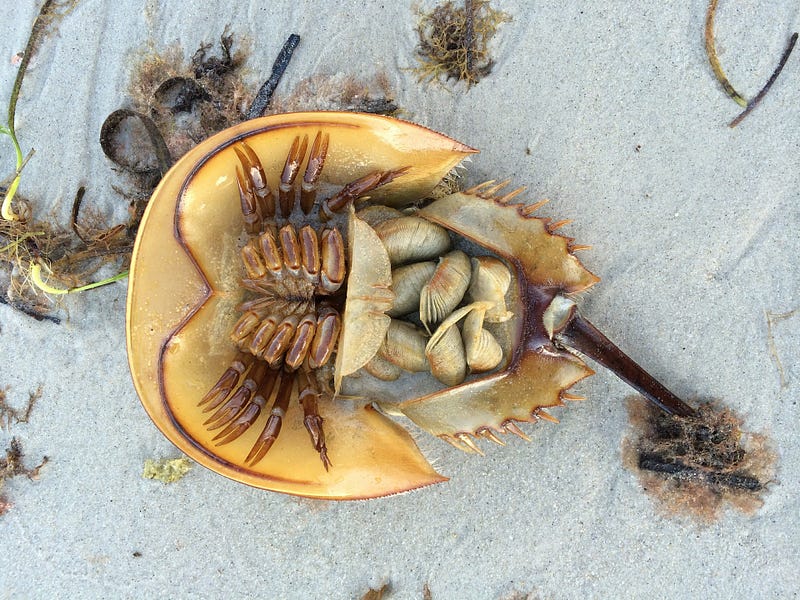
The female can lay up to 80,000 eggs in a few days! She buries herself in the sand by digging and then lays the eggs. The male then fertilizes them by depositing free-swimming sperm over them.
Why do they lay their eggs in such a dangerous place?
One suggestion is that the eggs are less likely to be eroded from the sand by waves and wind when they are higher up on the beach.
And of course, there’s always the idea that with that many eggs, some of them will survive to become adults, no matter where they’re laid!
How do the eggs mature?
Horseshoe crabs produce typical arthropod eggs with a large densely packed yolk surrounded by a layer of egg protoplasm. However, unlike other arthropods, on the sixth day of development, a transparent membrane lifts off the surface of the embryo and swells up to twice the original diameter! After this, the developing embryo can be seen rotating within this sphere.
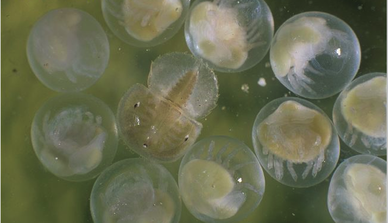
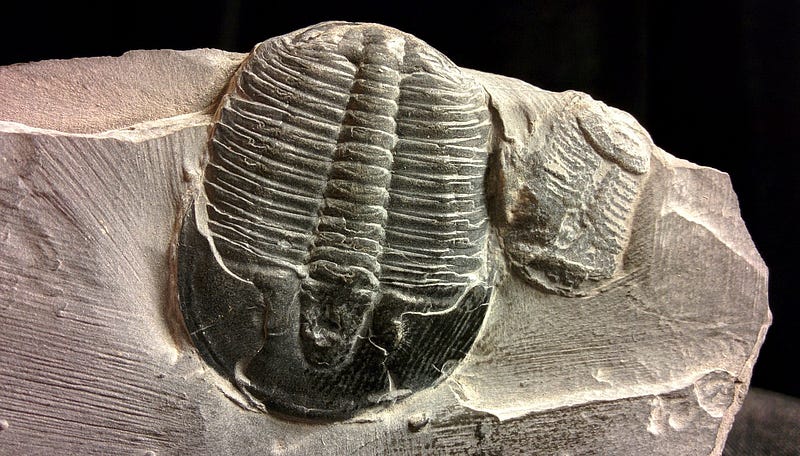
Eggs develop in the sand for 2 to 4 weeks and go through four embryonic moults. Eventually, they hatch into larvae that look like trilobite fossils, hence they are called trilobite larvae. Looking at the two images above you can see why!
The larvae remain in the clusters and do not feed for several weeks. They continue to wait until the tide is high enough to swim into the sea.
Sometimes the larvae may even overwinter within the beach. Once in the sea, the free-swimming larvae will moult into tiny horseshoe crabs within a few weeks. The rate of development depends on temperature.
Like other arthropods, horseshoe crabs grow new shells when they increase in size and shed the older one. This process is called moulting. The shell splits and the moulting horseshoe crab emerges. The horseshoe crab increases in size by a rapid uptake of water.
Mating occurs at maturity when mortality is low and moulting ceases. Because females are much larger than males they moult about one or two more times, reaching maturity around 10 or 11 years old. In comparison, the males reach maturity at their sixteenth moult and are about 8 or 9 years old.
Most studies have concluded that there are at least 18 growth stages in the horseshoe crab life cycle that encompass various stages of the embryo, larvae, juvenile, and adult.
Note: Just like sea stars, horseshoe crabs possess the rare ability to regrow lost limbs.Horseshoe Crab Blood
And finally, we come back around to the crab’s blood. Remember, it’s the horseshoe crab’s blood that we’re most interested in due to its medical applications.
The blood of horseshoe crabs contains two types of blood cells, the amebocytes also known as granulocytes, and cyanocytes. As far as we know, there are no other specialized immune cells like you find in creatures like ourselves.
The blood of horseshoe crabs has a copper-containing protein, hemocyanin, which is different from the hemoglobin you find in vertebrates’ blood.
Hemocyanin is colourless when deoxygenated and dark blue when oxygenated. That makes the blood of these creatures turn dark blue when exposed to the oxygen in the air.
It’s their blood that protects them against pathogens such as bacteria.
The granules in the amebocytes contain a protein called coagulogen (the name is derived from the verb coagulate). When released, it causes the blood to coagulate and form clots.
Note: Merriam-Webster defines the verb coagulate as: (1) to cause to become viscous or thickened into a coherent mass, curdle, clot; or (2) to gather together or form into a mass or group.Coagulogen is triggered to be released when the cell encounters bacterial endotoxin. The resulting mass is thought to contain invading bacterial infections in their circulatory system.
Which brings us to how the Limulus Amebocyte Lysate test came to be.
Discovery of the Limulus Amebocyte Lysate (LAL) test
This is a story of two remarkable men, Dr. Frederik Barry Bang, a pioneer in applying marine biology to medical research, and Jack Levin, who invented the LAL test in the mid 20th century.
Just how they did that is a story of curiosity, collaboration and serendipity.

Dr. Bang was very interested in invertebrate circulatory systems. He believed that studying animals in which circulation could be observed would lead to a greater understanding of the physiological processes in vertebrates, such as humans.
In the early 1950s, while he was at the Marine Biological Laboratory at Wood’s Hole, Maine, Bang studied the circulatory system of the horseshoe crab and its response to bacterial infection.
He would inject bacteria obtained from fresh seawater into horseshoe crabs of varying sizes and study their reaction. Usually, the blood would form a small clot to seal off the infected area and stop any more bacteria from getting in.
But one day, Bang noticed that one of his crabs died from an unknown infection that had caused nearly the whole volume of blood in the crab to clot into a semi-solid mass.
This had never been seen before!
So he isolated and grew the bacterium from the first animal and injected it into other horseshoe crabs. They also experienced identical clotting and died.
Investigating further, he found that only “Gram-negative” bacteria produced this reaction.
Note: In 1884, Hans Christian Gram invented a staining procedure for microscopy which came to be called The Gram stain. It stains the bacteria either red (Gram-negative) or violet (Gram-positive) depending on the chemicals they have in their cell walls.Gram-negative bacteria cause infections such as pneumonia and meningitis. When Bang heat-killed the bacteria before injection he still got the same clotting reaction. This meant that live bacteria were not required to cause the horseshoe crab’s blood to clot.
He published his findings in 1956 and put aside his initial observations for nearly 10 years.
Enter Jack Levin.

In 1963, while Bang was discussing data from his horseshoe crab project, a colleague suggested that collaborating with a hematologist might help unravel the clotting mystery. The colleague recommended a research fellow from his lab, Dr. Jack Levin.
Levin was using rabbits to study the Shwartzman Reaction — the reaction to endotoxins that causes a clot to form inside a blood vessel and also alters vertebrate platelet function.
Endotoxin is a key component in the cell wall of all Gram-negative bacteria; it can be hard to detect and is resistant to drugs.
Bang persuaded Levin to spend a summer at the Marine Biological Laboratory in Woods Hole where he studied the similarities between Limulus amebocytes and human platelets.
He quickly demonstrated that cell-free plasma from a horseshoe crab would not clot but when he studied the blood cells he had trouble keeping the blood from clotting.
He was having another problem, too. Samples that were fine when he left the lab at night were coagulated when he returned in the morning, and none of the anti-coagulants on the market made any difference.
Serendipity Leads to an Aha! Moment
Levin was baffled and he was getting kind of desperate to figure this out!
Could it be due to bacteria or some component of bacteria?
To test this possibility, he prepared new samples in sterile, endotoxin-free glassware. Amazingly, the blood did not clot!
That’s when he realized that he had identified a blood-clotting mechanism that was triggered by the presence of gram-negative bacterial endotoxin.
Eventually, he was able to show that the entire blood coagulation mechanism in Limulus was contained in the amebocytes and was extremely sensitive to the presence of endotoxins.
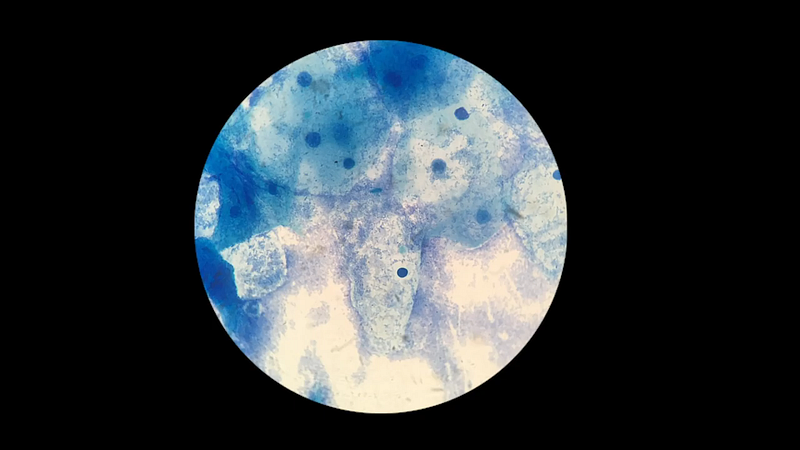
Limulus polyphemus amebocytes
“I think only an investigator who was working with endotoxin would have ever considered the possibility that endotoxin was causing Limulus blood to clot,” Levin says.
This led to Levin creating and patenting the extremely sensitive Limulus Amebocyte Lysate (LAL) test, which could test for bacterial endotoxins using horseshoe crab blood.
The only other test for endotoxins at the time was called the Rabbit Pyrogen Test. At the time, the US Food and Drug Administration required that all injectable drugs had to pass the Pyrogen test before they could be approved for use.
However, the Rabbit Pyrogen Test was a costly, inefficient and often inaccurate process.
You inject the sample into a group of rabbits. If the rabbits got a fever in those rabbits, the drug failed the test. If they didn’t get a fever within 4–6 hours, it passed.
Pharmaceutical companies had to house thousands of rabbits in order to perform these tests.
The LAL test can return a result in as little as 45 minutes and can detect the presence of endotoxins at levels of less than one part per trillion.
Levin realized that he had a very sensitive and rapid assay! This was stiff competition for the rabbit test.
The LAL test can return a result in as little as 45 minutes and can detect the presence of endotoxins at levels of less than one part per trillion.
Although the LAL test was first described in 1965, it took almost 20 years before the test was formally approved as an end-product endotoxin test by the FDA!
Why did it take so long?!
Let’s face it, people don’t like to change things and companies really resist change. Adopting the new, more sensitive test meant pharmaceutical companies would have to retool and set up a whole new production line.
That’s time and money!
But cream eventually rises to the top; this test was the cream of the crop and still is!
The demand for LAL is now so high that it has become one of the most valuable liquids on Earth, with a reported price in April 2018 of between $35,000 and $60,000 per gallon!
Scaling up the LAL test
The LAL test has been named one of the “100 Most Important Contributions to Public Health” by the Johns Hopkins Bloomberg School of Public Health.
According to Jack Levin, it is the standard screening test for endotoxin contamination worldwide, with approximately 17.5 million samples tested (amounting to roughly 70 million tests performed) each year. It is used commercially to test all intravenous fluids, parenteral drugs, and implantable medical devices before they are used in patients.
How is LAL made?
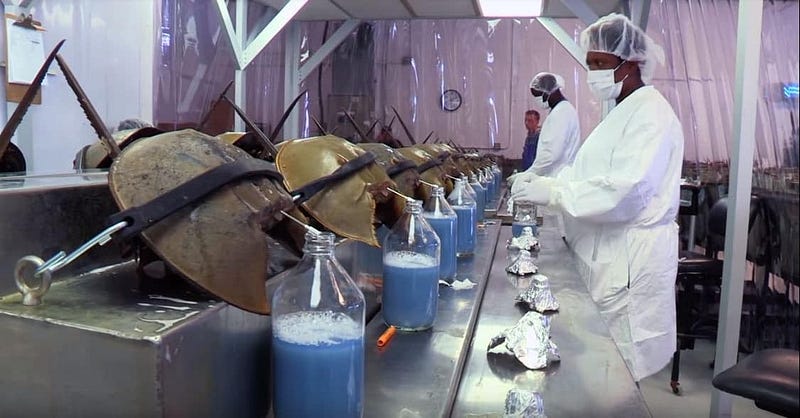
Horseshoe crabs are captured and a tube is stuck into them to siphon off their blood (see the picture above). Then the collected blood is centrifuged to concentrate the amebocytes. Adding water to the packed amebocytes causes them to break apart and release the coagulation proteins (the lysate) which react with the endotoxins.
This way of making LAL is touted as a non-lethal method of obtaining blood from the crab. But it’s not. Because not all the crabs survive!
According to the Atlantic State Marine Fisheries Commission, in their 2019 Horseshoe Crab Stock Benchmark Stock Assessment and Peer Review Report, 600,000 Horseshoe Crabs are captured and bled to meet the annual LAL demand.
Of those 600,000 crabs, approximately 420–540,000 (70–90 %) survive the procedure. Couple that to habitat encroachment, global warming, and another 500,000 + harvested and killed each year for use as bait for eel and whelk fisheries and you can see why horseshoe crab populations are plummeting.
Not only that, but the crabs are harvested in May and June when they come ashore in droves to mate, lay their eggs and hopefully maintain their survival.
This is not a sustainable situation!
Are there better ways to make LAL?
“The American horseshoe crab outlived the dinosaurs and has survived four previous mass extinctions, but is now menaced by the pharmaceutical industry, fishing communities, habitat loss, climate change and, most recently, choking tides of red algae off the east coast of the United States.” from Jonathan Watts in The Guardian
There are two primary efforts that are being touted as ways to mitigate this unfortunate situation.
One approach being tried by the pharmaceutical industry is the aquaculture of horseshoe crabs.
Initially, attempts to culture horseshoe crabs were not very successful. It seemed that after 3–4 months of culture, hemolymph protein concentrations dropped to levels that result in mortality. These deaths were thought to be linked to nutritional deficiencies.
Dr. Anthony Dellinger is a professor in the department of neuroscience at the University of North Carolina at Greensboro and a scientist at Kepley Biosystems Incorporated, Greensboro, NC.
Dellinger and KBI have been hard at work developing a new, improved aquaculture system. Their premise is that “controlled collection of LAL from monitored and well-maintained horseshoe crabs in aquaculture could increase LAL supply quantities, ensure species viability, and allow for new clinical innovations.”
If successful, producing greater volumes of LAL reliably, sustainably, and economically would benefit both nature and industry.
Dellinger and colleagues described in detail how their aquaculture system operates in a paper published in Frontiers of Marine Science this past April.
Let’s look at the highlights and results of that study.
First, they optimized an indoor recirculating aquaculture system that reliably maintains the horseshoe crabs. Their goal was to facilitate repetitive LAL harvesting while maintaining animal wellbeing.
The next milestone was to achieve a method for low-impact repetitive harvesting. To do this they surgically implanted a catheter into the horseshoe crab. All their tests showed the horseshoe crabs tolerated these catheters quite well.
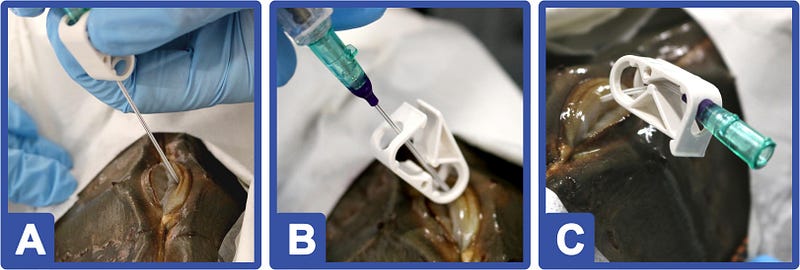
Here’s a quick summary of their results.
They harvested and maintained 24 crabs for one year with 100% survival. The horseshoe crabs were checked for LAL activity, egg and sperm release and other signs that might indicate impaired health. No such signs were observed.
The crabs were bled from the catheters about three times per month which potentially equals about 36 bleeds per crab over the 12 month period. No problems from the implanted catheters were encountered over this time period.
When they calculated the costs incurred, outside of the initial layout for the aquaculture system, maintaining the crabs came to about $0.76 per pound, a very affordable amount!
The most important question that needed to be answered was:
How does the LAL from the in-house maintained horseshoe crabs compare to that obtained from freshly harvested crabs?
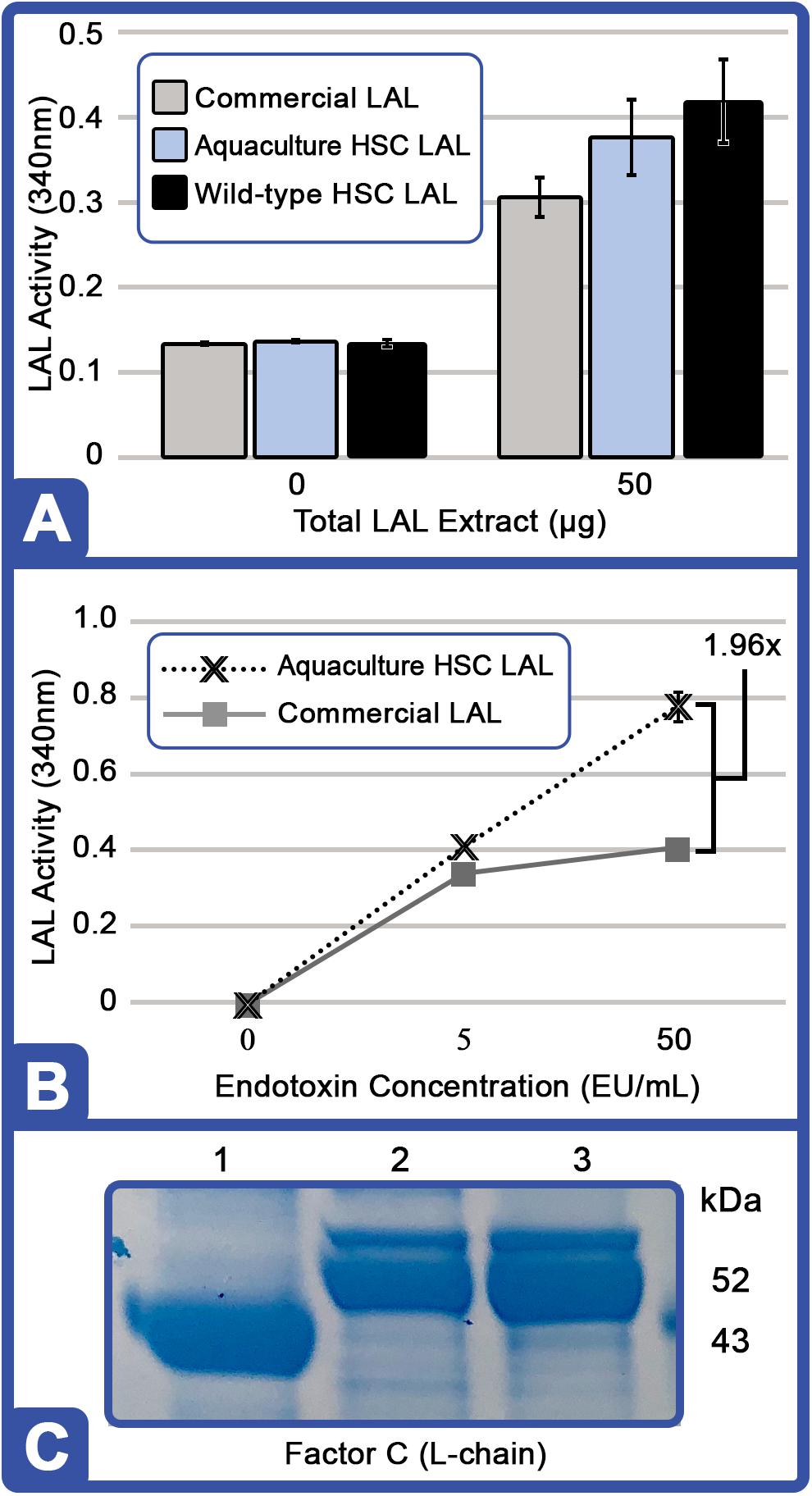
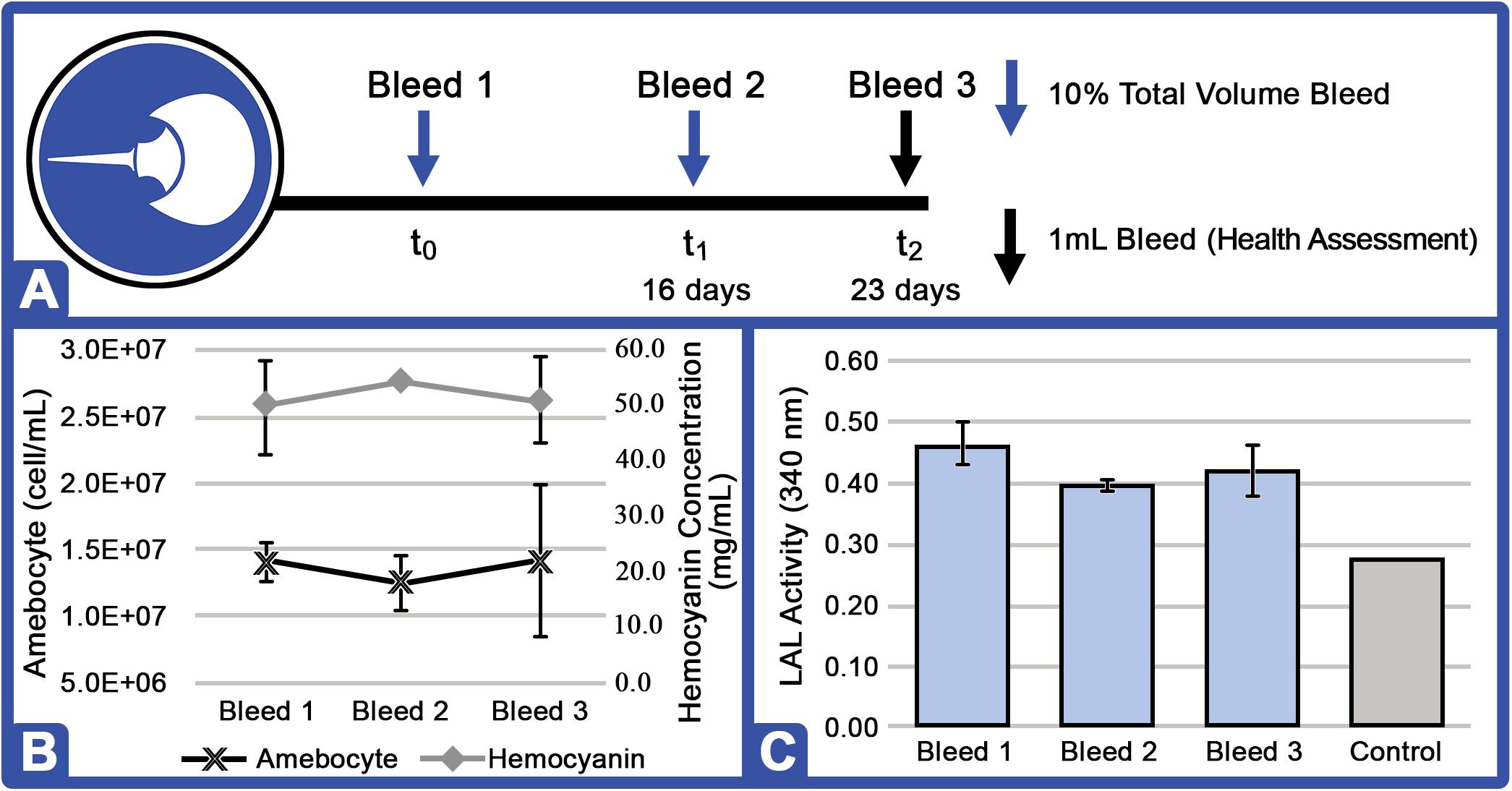
As shown in figure 6 from their paper, there was no significant difference in LAL endotoxin coagulation activity between the aquacultured and wild crabs. And there was also no real difference in the activity from bleeds taken at days 1, 16 and 23.
These results led them to conclude,
“…aquaculture could match industry needs for several years with the equivalent of 5–10% of one year’s annual catch, leaving nearly 600,000 HSCs in the wild each year thereafter. In fact, these findings suggest that ∼60,000 aquaculture HSCs could be sustainably bled 12–24 times annually and exceed current biomedical LAL demand.”
The second approach eliminates the need for crabs completely.
Jeak Ling Ding, along with her husband and research partner Bow Ho, in Singapore, had a goal — to completely eliminate the need for horseshoe crabs.
She was studying Carcinoscorpius rotundicauda, an Asian species that was much smaller than Atlantic horseshoe crabs, and they couldn’t be bled much without dying.
Ding’s research into LAL led to the discovery that a molecule called factor C was responsible for its clotting action. Ding isolated the gene for factor C and used a virus to insert it into insect gut cells. This essentially turned the bugs into little factories that produced factor C.
The modified insects make sufficient amounts of factor C, which could then be sold as recombinant* factor C (rFC) on the market as a viable substitute to LAL.
* Note: The word recombinant is a term used in molecular genetics to indicate a gene that has been isolated (cloned) and inserted into another organism's DNA so that organism makes the protein that gene specifies. Using a virus is one of many ways to accomplish this.So now, instead of harvesting or aquaculturing horseshoe crabs and bleeding them, they could grow large quantities of insects and isolate the rFC.
Pharmaceutical companies who have used rFC have confirmed that it works just as well as LAL and production costs are comparable.
“We were just so keen as researchers, so happy it is working,” Ding said. “And we thought the recombinant factor C will be adopted around the world, and the horseshoe crab would be saved.”
Unfortunately, rFC faced the same obstacles to uptake as LAL did when it was introduced. Although rFC has been on the market since 2003, it’s been slow to gain traction. But little by little it is overcoming the obstacles to its approval by the FDA. Originally only one manufacturer was producing it — the Switzerland-based chemicals company, the Lonza Group.
In 2013, Hyglos GmbH became the second company to make rFC. Kevin Williams, a senior scientist at Hyglos, says he sees the uptake and approval of rFC as long overdue. Hyglos GmbH has obtained approval for its use by several European regulatory agencies.
Today, experts believe that ultimately, rFC will become the dominant method of detecting endotoxins, letting horseshoe crabs completely off the industrial production hook.
Now that’s something horseshoe crabs can live with!
Note: In these times of COVID-19, I wouldn't be surprised to see the obstacles removed even faster. Taking and applying research knowledge to improve patient wellbeing is happening faster than ever before. And in cases like this, that's a really good thing!Which brings us to the last question I want to look at:
Why do we care if Horseshoe Crabs survive, anyway?
Aren’t they just ancient relics that our modern ecosystem could easily do without? Lots of other species have gone extinct and the planet seems pretty ok.
That’s a valid question so let’s look into it a bit deeper.
The knee-jerk response is, “of course we want to save them!” We have enough creatures on this planet already threatened or that have already gone extinct. We just can’t afford to lose any more.
Like I said, that’s more of a gut reaction, not an answer you can hang your hat on. For a better answer, we need to look at how horseshoe crabs fit into the big picture.
Let’s start with what they eat and what eats them.
The adult horseshoe crab preys on small mollusks like the blue mussel and the surf clam, and annelid worms.
As of 2017, blue mussels are in no serious danger according to this report by The Safina Center at Stony Brook University. The same is true for both the annelids and surf clams.
Juveniles feed on small particles of both algal and animal matter. As the animal grows in size, so does the prey it consumes.
On the whole, it looks like horseshoe crabs are not having any detrimental effects on their prey species.
Ok, that’s one side of the coin. How about the other? What eats horseshoe crabs?
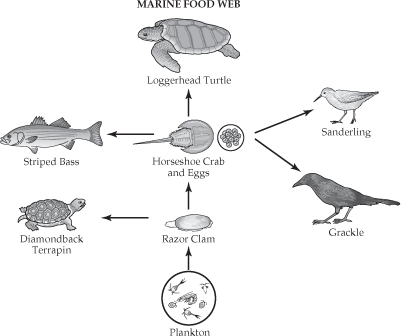
Horseshoe crab eggs are a food source for many organisms.
These include shorebirds, some fish — striped bass, striped killifish, silversides, flounder — as well as sea turtles, crabs, and whelks. They are a critical food source for 11 species of migrating shorebirds. Loss of these eggs would devastate those bird populations.
Loggerhead sea turtles and shorebirds such as the red knot depend on horseshoe crabs.
Thousands of these turtles migrate to the Chesapeake and Delaware Bay in summer to feed on the crabs. It is now thought the loggerheads are suffering from a lack of horseshoe crabs in the Chesapeake.
A few anecdotes report horseshoe crabs turning up in alligator and shark bellies.
Horseshoe crab young could also be a key food in the coastal food web. Throughout the summer and fall, larval and early life stage horseshoe crabs swarm the shallows. These morsels are no doubt gobbled up by fish and shorebirds as well.
And it looks like there are lots of other animals that find them quite palatable and would be hard put to find easy substitutes.
For a creature that has been around for 450 million years, our understanding is far from complete about the role that Limulus polyphemus plays in the coastal ecosystem.
With the present state of our knowledge of horseshoe crab ecology, we can’t definitively come to any conclusions about how essential their role is. What we can say is they definitely occupy a niche that warrants more serious study.
Even so, I’m coming down on the side for the need to conserve them! It’s my “better safe than sorry” attitude. We just know too little to let a species like Limulus polyphemus slip through our fingers and disappear if we can prevent it.
So, is there anything you can do?
If you happen to live near a place where horseshoe crabs come to lay eggs, it is easy to pitch and help. There are crab flipping programs and spawning crab surveys that rely on volunteers.
And finally, remember the horseshoe crab when you go to the doctor. Anything injected or implanted in our bodies is still being tested for gram-negative bacterial contamination with LAL made from horseshoe crab blood.
Until next time
Rich
Hey! If you enjoyed this article then subscribe to my newsletter and get a free ebook!
Sources of Information Used for this article:
- The Horseshoe Crab
- Horseshoe Crab Aquaculture as a Sustainable Endotoxin Testing Source
- The Role of Horseshoe Crabs in the Biomedical Industry and Recent Trends Impacting Species Sustainability
- The Last Days of the Blue-Blood Harvest
- The Underwater Secrets of Horseshoe Crabs
- This crab could save your life — if humans don’t wipe it out first
- NJ ended its horseshoe crab harvest. Should other states do the same?
- The Horseshoe Crab site created by Kayla Westerlund
- The Atlantic Horseshoe Crab