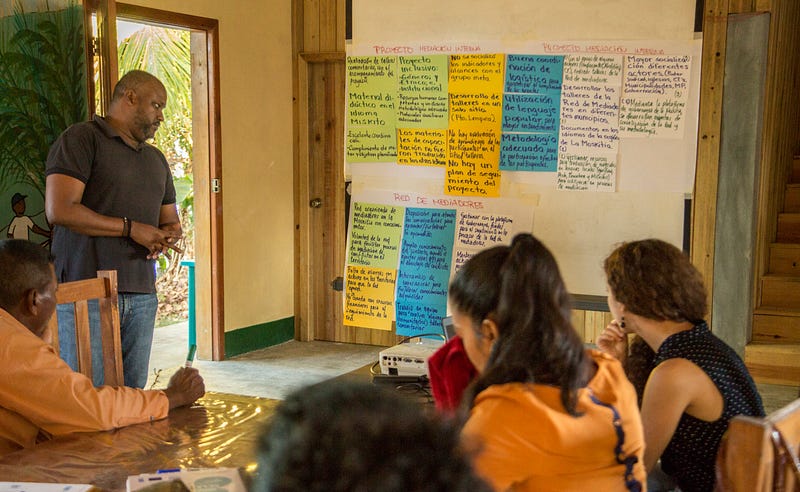
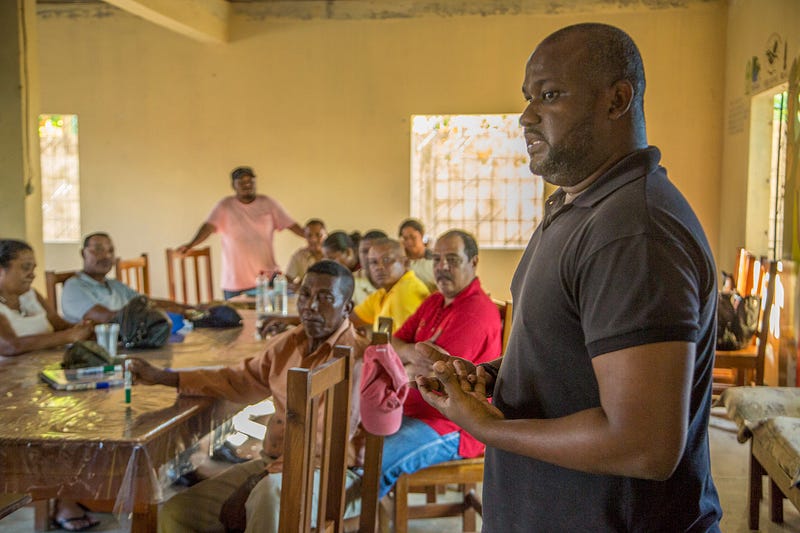
How does internal mediation* help in the prevention of conflict?
Internal mediation is the process of supporting negotiations and other forms of dialogue, aimed at preventing, managing and resolving conflicts at different levels of society, which involves figures, groups or institutions that are within the conflict and may positively influence it.
Conflicts over land and natural resources, recurrent tensions and instability are some of the most complex challenges that Honduras faces.
These conflicts have an impact on human life, weakening social cohesion and trust. Therefore, it is necessary to promote peaceful means, both preventive and managerial, to help overcome divisions and violence.
In this sense, through the project “Construction and consolidation of national capacities for the prevention of conflicts in Honduras” (Construcción y consolidación de las capacidades nacionales para la prevención de conflictos en Honduras) funded by the European Union with the support of the United Nations Department of Political Affairs (UNDPA) and executed by The United Nations Development Program (UNDP), there has been a contribution in the last two years (2016–2018) to the strengthening of state institutions and civil society organizations in La Moskitia to establish mechanisms and develop competencies in conflict prevention and resolution.
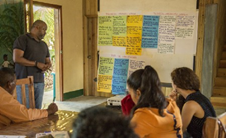
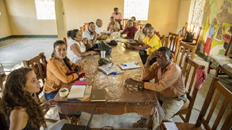
Internal mediation and the development process
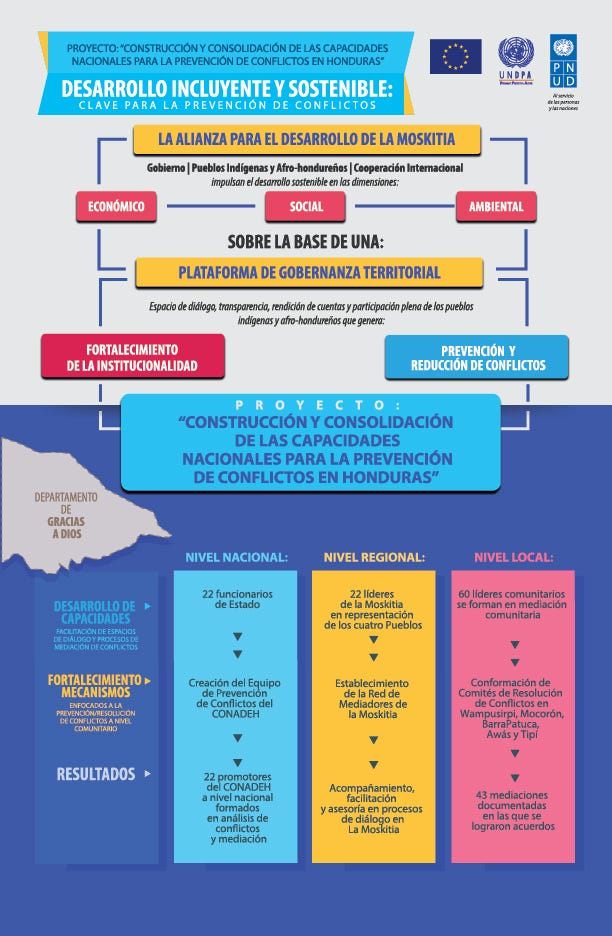
La Moskitia is located in a very remote area of the country and faces great challenges in its inclusion in national development processes. In 2016, the Government of Honduras, together with local and indigenous institutions and international cooperation agencies, formed the Alliance for the Development of La Moskitia (Alianza para el Desarrollo de la Moskitia). The purpose of this Alliance is to encourage joint efforts in areas such as governance, economic development, and poverty reduction.
To achieve this, the Territorial Governance Platform of La Moskitia (Plataforma de Gobernanza Territorial de la Moskitia) has been created, a space for inter-institutional dialogue to address the different issues for the development of the region, as well as to resolve the conflicts that hinder such development, with a focus on human rights.
In this context, the efforts of the UNDP, the Department of Political Affairs of the United Nations, and the European Union have focused on developing capacities in dialogue, negotiation and mediation, and accompanying the establishment of mechanisms for the prevention and resolution of conflicts, which will contribute to the strengthening of this Platform.
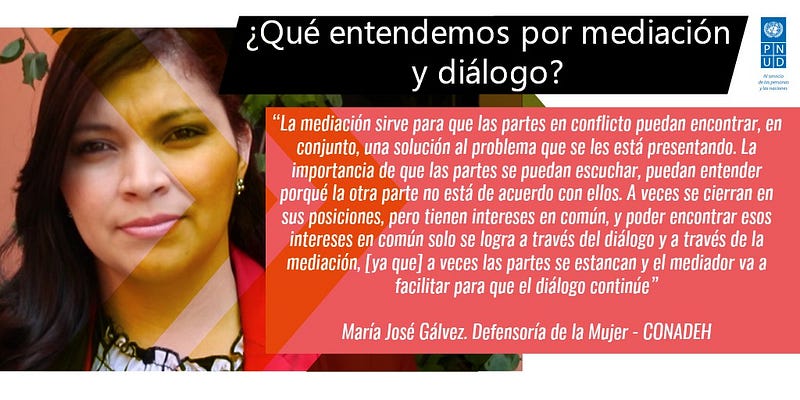
Mediation in action
Using an internal mediation approach, we have worked to support and foster dialogue and/or negotiation processes in order to prevent, manage, and resolve conflicts at the community level, and to build skills and mechanisms — at the local, regional, and national levels — to facilitate and support dialogue actions.
In these two years (2016–2018), we have worked with members of the communities, representatives of local institutions, indigenous institutions and central government. With them, the situation of conflict in specific areas has been analyzed and the existing capacities mapped, identifying who could have the institutional responsibility and/or local community recognition to develop capacities and deepen their knowledge in techniques and tools to lead dialogue processes and negotiation.
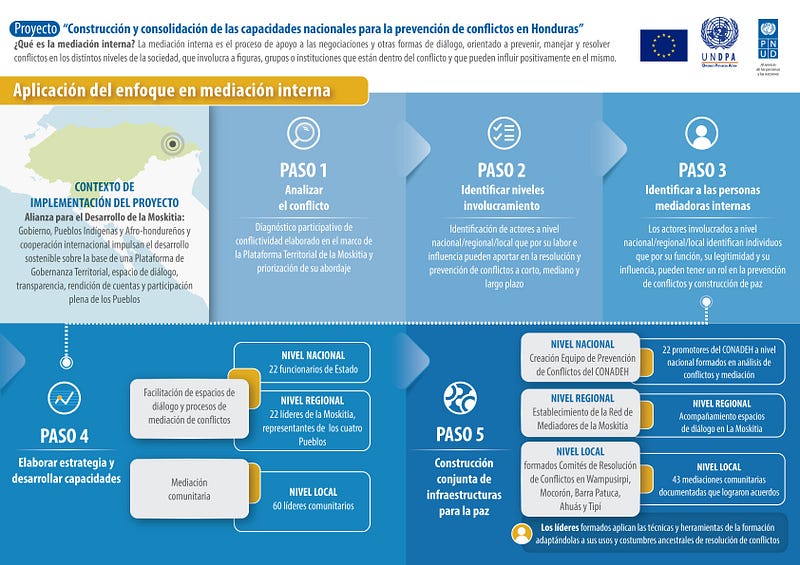
To this day, 22 government officials have been trained in analytical competencies and mechanisms, conflict prevention and revolution. In addition, the Conflict Prevention Team of the National Commission of Human Rights (Equipo de Prevención de Conflictos del Comisionado Nacional de Derechos Humanos, CONADEH) is being formed.
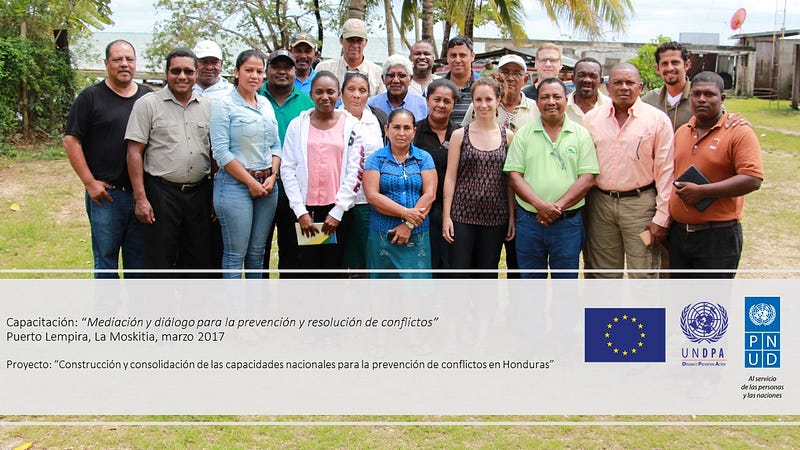
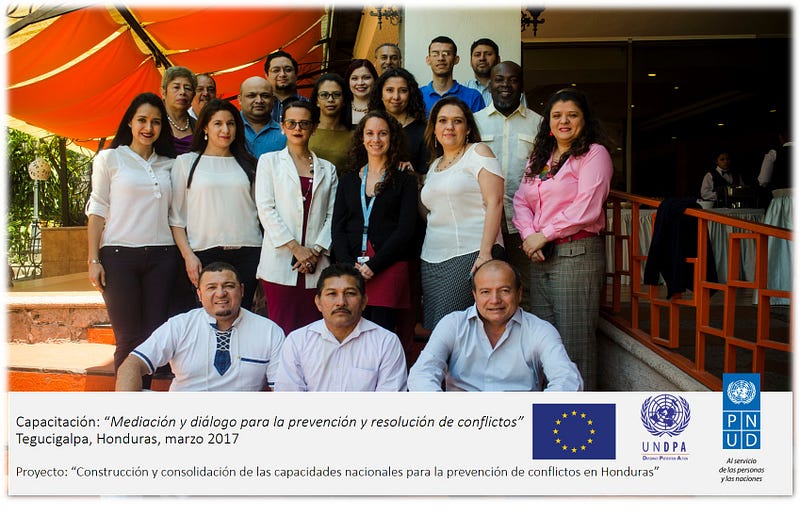
At the regional level, the establishment of the Mediator Network of la Moskitia (Red de Mediadores de la Moskitia), which is responsible for the guidance, facilitation and advisory of the zone’s dialogue processes, has been achieved. At the same time, the Conflict Resolution Committees have been created in Wampusirpi, Mocorón, BarraPatuca, Awás and Tipí, which are integrated by 60 leaders who have been trained in community mediation and who to date have mediated 43 cases duly documented.
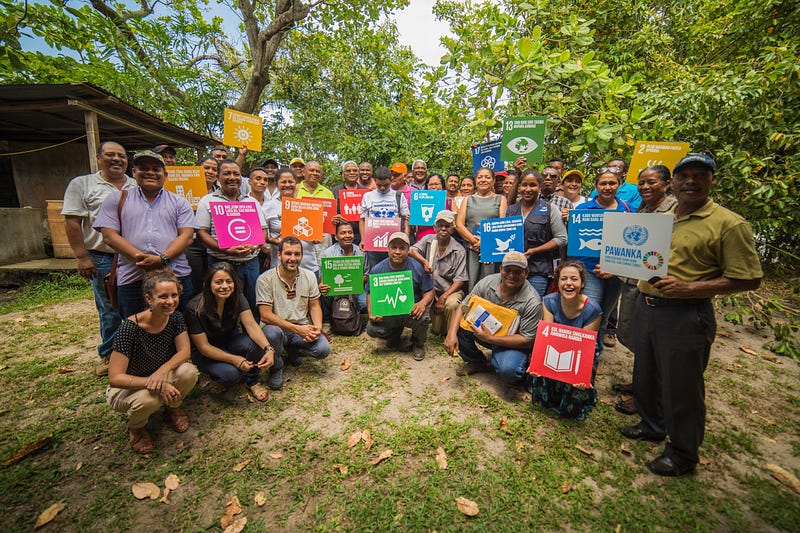
The effects of this project contribute directly to the achievement of Goal 16 “Peace, justice and strong institutions” of the Sustainable Development Goals.