
How Do You Tackle Learning to Live Sustainably During a Pandemic?
Apparently one day at a time, but building a community would help!
I think it’s fair to say that we’ve all needed time to find our bearings in this collective new “normal,” myself included.
I launched this publication two days before the COVID-19 outbreak was declared a Pandemic. While I know first hand how stressful the news of the outbreak was to experience living in Seattle (my home is not far from the nursing home that was the first known epicenter in the United States); I was still honestly shocked by the declaration.
This experience we’re sharing would have seemed like a lousy science-fiction horror movie just a couple of months ago. I published an article about C-19 that happened to coincide with the first known death from the virus in America and my city of Seattle (now they know the infection was already claiming lives in the United States).
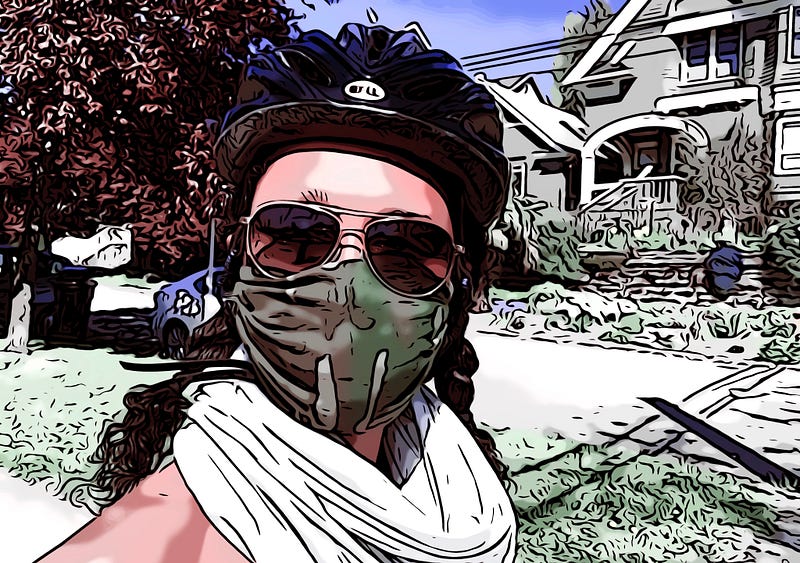
I wrote in the first article for Sustain or Die, “Is there a day coming soon that you wouldn’t leave your house without a mask to protect from pollution and viral transmission?”
Here we are, just 6 weeks later. I am wearing a filtered mask to walk anywhere in public, even at the park or to ride my bike, and especially the grocery store. I wouldn’t dare leave home without my mask, or at the very least some type of heavy cloth scarf for face covering.
I doubt I’m alone in wondering what could be our next “new normal” dealing with this event?
In any case, I had a vision for “Sustain or Die,” and a series of articles lined up to write. Suddenly they just don’t seem relevant anymore.
Those issues aren’t going anywhere, and I’m sure I will write about them eventually. I don’t know about you, but I have been faced with the knowledge of how utterly unprepared our family was for anything like this. I’ve always felt like a capable independent person…
This event has made me realize how dependent I have become on society to provide.
I watched Trump stumble through his announcement that the Pandemic was a national emergency on live television on Friday the 13th, 2020. Before the POTUS’s televised announcement was even over, I grabbed my purse and drove to the grocery store. I knew people were going to be scared (and probably panic buying), because I was scared.
I was low on some supplies, the grocery stores here were plundered in initial panic weeks prior. There were a handful of packages of toilet paper left. I bought one, not knowing that it would be the last package of toilet paper I would see on the shelf for over a month.
I’m down to half a bag of flour; I still haven’t seen a single bag of flour now at any grocery store in two and a half months. By the time I left the store that frightful Friday afternoon, it had turned into a zoo.
Are you agast at how you could be so unprepared for this?
Have you been questioning the stability of our government as I have? Especially, now after witnessing the lack of coordinated response to the Pandemic.
I think that this ordeal is going to last longer, and be more challenging to overcome than most people are realizing. I have been conducting extensive research on the handling of C-19 in the U.S. and writing about it. The truth of the mismanagement of this Pandemic in the United States is terrifying.
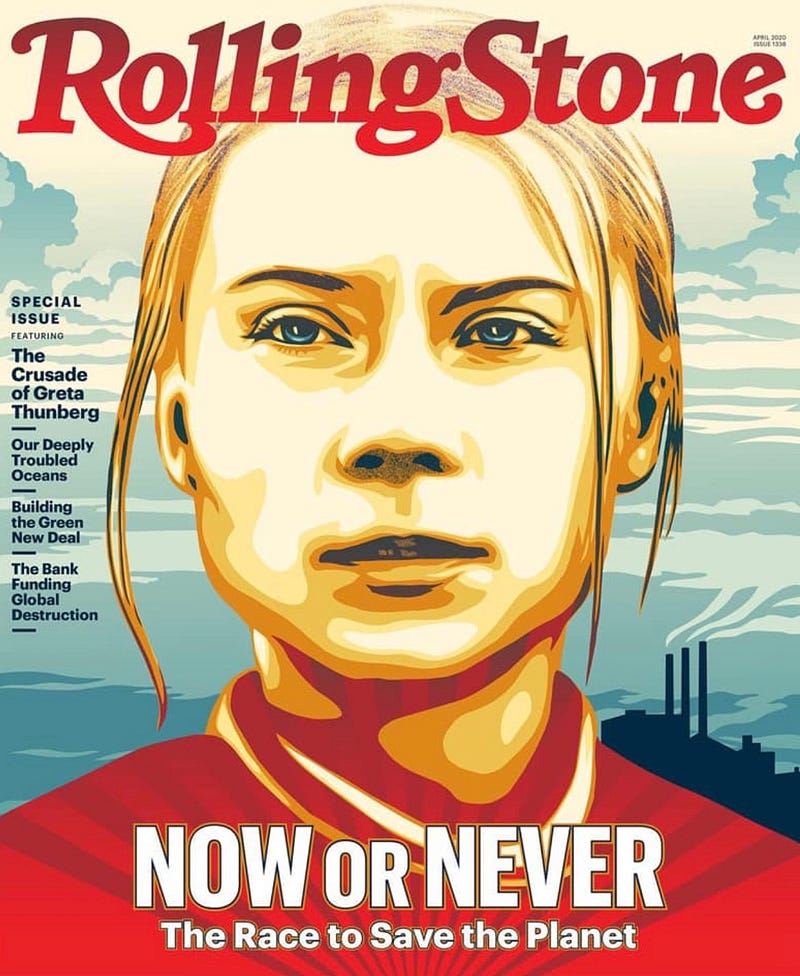
“Now or Never,” no?
Greta Thunberg is an excellent example of how determined inspiration for our environmental future can result in significant changes in our collective effort. If a young woman can inspire a green movement and change in the world… why can’t we at least lend a helping hand?
I started this publication as a testament to the fact that we all need to begin making changes as individuals to contribute to solving our environmental issues; one aspect of that is by focusing on living sustainably.
My contribution to this effort will be writing about my experience educating myself, and subsequently others by implementing/sharing my journey to sustainable living.
I would encourage you to watch “Planet of the Humans” produced by Michael Moore and directed by Jeff Gibbs, fittingly released on the 50th annivesary of “Earth Day,” on April 22nd 2020 (the documentary is available to watch for free on youtube). I agree with Moore that “mother nature has put us in a time out” (refering to the pandemic) and that we need a new revitalized green movement.
I had no idea what has actually been going on in our so-called green efforts for clean energy with the use of solar or wind power.
What struck me most was the insanity of using industrial machines, to build “green” energy options. The pollution that is caused just from constructing solar panels and wind turbines is astounding. Also, the fact that they would all need to be replaced within an amount of time arguably does not justify their construction.
What does one do with the remnants of a 800,000 lb wind turbine thats life expectancy is only 20 years? Or solar panels that only last a few years? Cutting down and burning trees, then calling it “Biofuel?” The biggest take away for me from the movie was a statement that Jeff Gibbs said in reference to the first surge of the green movement when Obama took office.
“Was this to save the planet or our way of life?” — Jeff Gibbs
After watching his presentation on the topic, this question points to the root cause of why “green” technology has been a failure thus far. We have either been manufacturing machines for “clean energy” that create an astounding amount of manpower and pollution to produce. Or, they are otherwise using or creating by-product in the facility (such as a natural gas plant) that is just as bad, or worse than using fossil fuel.
The film is getting some backlash from the environmental community. I would encourage you to read some of the reviews such as filmsforaction.org “Skepticism is healthy, but Planet of Humans is Toxic — a Critical Review” by Tim Hjersted. He has many valid points to make and a completely different view than Jeff Gibbs. Look at both sides and make your own informed decision about the film's message.
The reality of the green movements failure thus far is shocking, but not impassible. We must re-group and move on with a new plan.
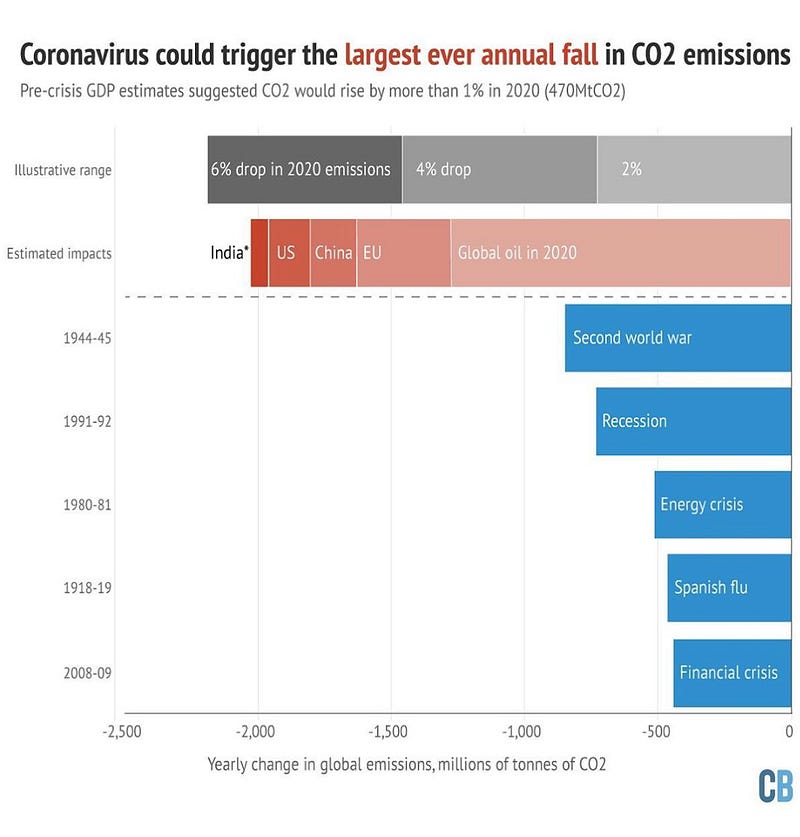
Silver linings are popping up from the Pandemic if you pay attention. Just take the reduction of carbon emissions suddenly apparent from the global lockdown?
How interesting is it that in that short amount of time the air quality across the globe has dramatically improved? Doesn’t that make you stop to wonder what could be done if we all as individuals took a few extra steps to lessen our waste etc?
I’m no different than you, just figuring out how I can make changes towards living sustainably. How is this actually going to work? Where do you even start when you want to become more self-sufficient?
After spending the last month researching where the average person should begin in this journey, I have concluded that we need to get back to basics first, and build upon that knowledge.
This will be the mission of “Sustain or Die” for the foreseeable future.
We have lost something as a modern society. Our connection to nature, and the soil under our feet. The ability to provide for ourselves.
I never again want to feel the panic that I have felt realizing that our family could easily be without food and clean drinking water for days, or longer if only 50–100 more people went to the grocery store that Friday … & many shopping trips witnessing low supplies after.
Despite growing up in Alaska with a family that enjoyed the outdoors and the responsible hunting of wild game… I have to admit as an adult I rarely think of basic survival skills.
For instance, any 5-year-old child is aware that water or shelter are two of the most basic needs of human survival. The concepts seems so fundamental, but there is a lot of nuance to living that our ancestors practiced daily that could mean life or death… and unfortunately most of this knowledge is now lost to us today.
Do you know the answers to these questions?
How do you store water long-term? (It’s not as easy as it sounds)
In which type of emergency should you stay, or should you leave/abandon your home? Do you have a family plan?
What if there was a societal collapse; (even short term) what would you do if the water stopped flowing from the tap?
Could you start a fire without a match if you needed to?
Is your tap water even safe to drink? (why or why not?)
Do you have a plan if your area lost power for any length of time? What would you do? How would you store perishable food?
Do you know how to treat and/or filter water to consume it safely?
Does someone in your family have basic medical knowledge? Say, common injury such as if someone needed stitches, or a broken arm needed tending?
How much water does your family need to survive for a week? Two weeks? A month or longer?
What about growing & harvesting some of your own produce? Could you and how would you do it?
I don’t want to instill fear, or perpetuate the far end of the survivalist ideals (you know, those doomsday preppers building million dollar bunkers?). But, I think we need to all individually find a healthy balance of feeling prepared in case of a prolonged emergency such as a pandemic.
I know I’ll sleep better at night.
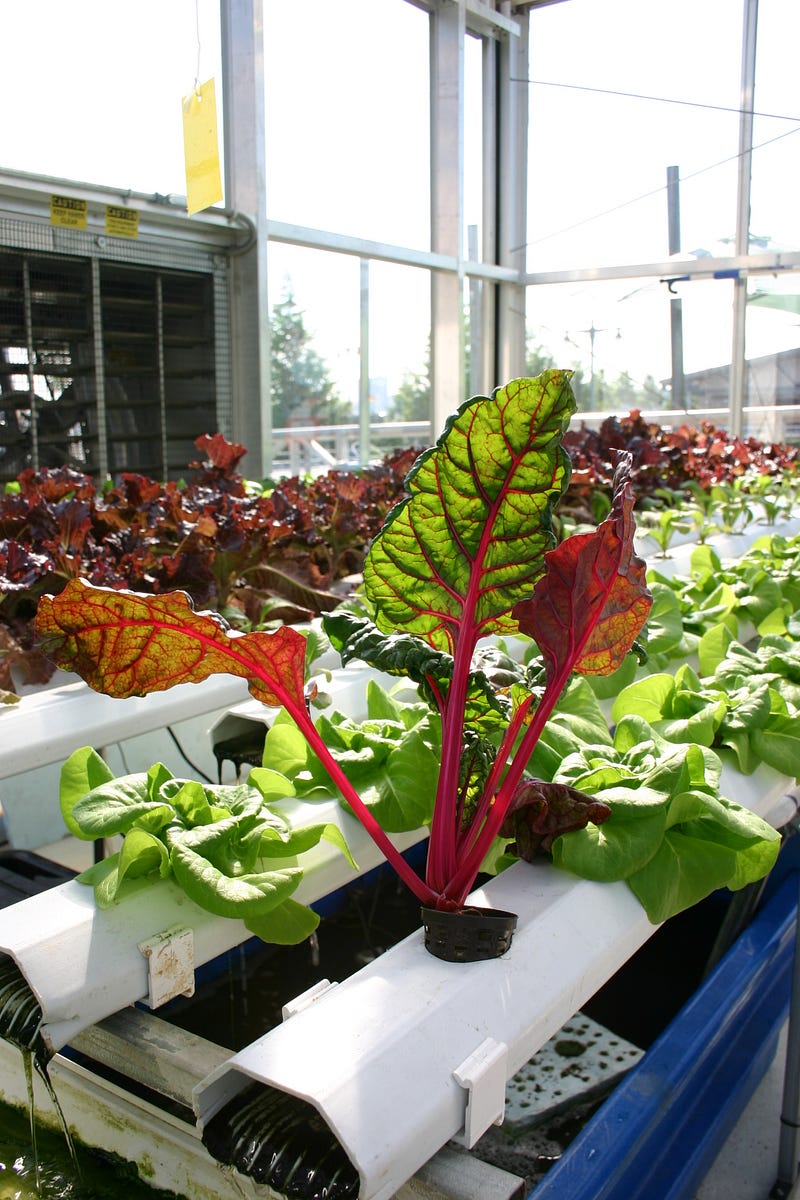
The subject of sustainable self-sufficiency needs more than attention in this modern era; especially in light of the Pandemic and warnings about climate change.
The more I read about hydroponics or aquaponics and other methods of sustainable farming, the more interested I have become in the idea of growing some of my own produce regularly. I’m wondering what kinds of fruit, or vegetables I could practically grow at home?
There are so many things to consider it's frankly mind-boggling, but I think starting here, with the basics will open our eyes and enable us to figure out our personal paths of education on this vast subject matter. In any case, we have to start somewhere and what’s most important, is just getting going. Never forget you can’t see around the corner, until you make it to the bend.
I’m also curious about hearing from you your thoughts on this topic.
Are you interested in writing about your journey to sustainability? Maybe this won’t feel so overwhelming if we collaborate. Until next time take care of yourself, good luck with your personal sustainable living journey, and don’t forget we truly are all in this together.
*Please email [email protected] if you are interested in contributing to this new publication, or have any suggestions for subject matter. I would love to hear from you.
*Links were used to cite sources of information (all non-affiliate & from major news organizations).
➡️ Jezebel Feast is the editor of “Jezebel’s Feast,” a personal blog focused on the vast topic of living a sustainable lifestyle. Visit her new home jezebelsfeast.com. Want to keep in touch? Catch Jeze on Instagram 📸 or Pinterest 📌…🔗…🚀


