
How Do You See the Moon Now?
The history and significance of the moon
First of all, I would like to thank Dr. Preeti Singh for this writing prompt. You always have amazing ideas for writing prompts. If you are interested in the prompt, here is the link:
What’s in the Name?
Moon’s name is derived from old English word móna.
The word moon can be traced to the word móna, an old English word from medieval times. Móna shares its origins with the Latin words metri, which means to measure and mensis, which means month. So we see the moon is called moon because it is used to measure the months.
I don’t remember how old was I when I first inquired my aunt – who only got to finish eight grades – about the moon. I asked her where was the moon and who lived there. She replied very confidently,
An old woman lives on the moon with her spinning wheel. You can see her spinning thread on her spinning wheel. She is at it day and night. She never sleeps or eats. All she does is spins the wheel.
I asked her how did she know that a woman lived on the moon and she gave me such an innocent answer. She said that she knew because her mom told her so. That was my first knowledge of the moon.
Did you gaze at the moon when you were young?
What was your first revelation about the moon?
Moon has been there for us since the first human walked on the earth. There have been many myths and unsolved mysteries that prevail over the globe about the moon but I am going to focus on the area of my origin.
If you were born in one of the South Asian countries, you would be introduced to the moon while you were an infant. When a baby was born, the nurse came and informed the father usually something like (or so I watched mostly in old movies):
Congratulations! You wife gave birth to a moon-like son/daughter. When are you going to bring some sweets for us?
Mothers and the Moon
Mothers used to sing moon lullabies to their babies which I not only saw in movies but also noticed in real life when I was a teenager.
I don’t know if this culture still exists there as I moved to Canada 26 years ago.
My mom used to chant a song for me and my brother – a song about moon mamoo( your mother’s brother is called mamoo in Urdu language ) – when we were young. Everyday when we got ready for bed, she laid down between us and sang. After a while we were so used to it that we requested her to recite the song for us. It was something like this:
Moon uncle is from far away. He usually cooks boor (his special dish) in large quantities. He eats himself in a plate. And gives it to us in a bowl. The bowl broke and uncle moon got cross. We ran away and brought another bowl.
My stepmom and aunt were also accustomed to singing lullabies to their babies to put them to sleep.
You are my moon. You are my sun. You are the star of my eyes.
I guess you have an idea now how the love and influence of moon affected the lives of South Asian people including me.
Can you guess if I sang moon lullabies to my children or not?
So far, I can tell you this much that my elder son’s favourite nursery rhyme was:
Hey diddle diddle The cat and the fiddle The cow jumped over the moon 🌝
And the second one was:
Twinkle twinkle little star ⭐️
The Moon, Moonlight and Moon Night
The relevance of that heavenly body do not withdraw from our lives in our childhoods but continue to follow us in our puberty. The moon play an important role in the love life of youngsters. Young people compare the beauty of their beloveds to the moon.
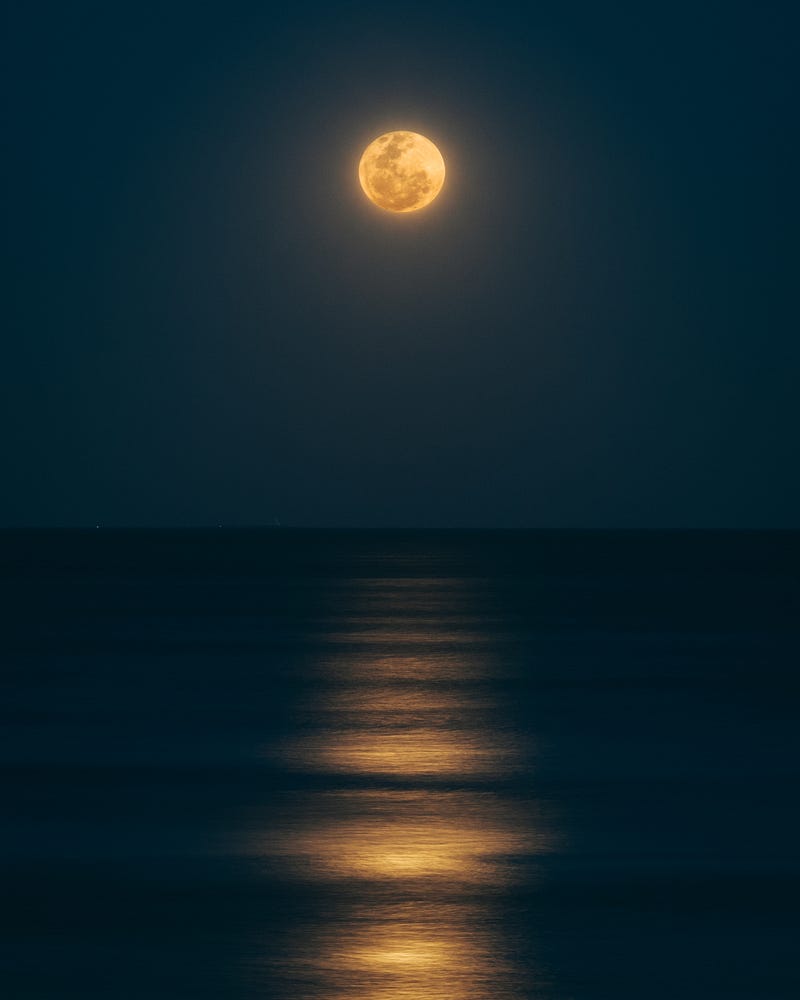
Many lovers go for walks in the moonlight. Some hold hands and walk by the lake or on the beach especially when it’s a full moon. I normally ask my husband to go to lakeshore park for a walk during a full moon night too. We walk around the lakeshore for a while and finally find a bench to sit and admire the beauty of the moon and be enchanted by it. We both look at the moon without uttering a word.
What are your thoughts when you look at this illuminating body?
Why do you think moon nights are so important for lovers?
I think just like the oceans are affected by the gravitational pull of the moon, the moon also excites the lovers and urges them to see their beloveds.
Muslims and the Significance of the Moon
Like many other cultures and religions, Muslims also follow moon to describe their monthly calendar. Islamic months start with the birth of new moon. Many Muslims relate moon to their Eid and Ramadan festivals – one of the most popular celebrations in the religion of Islam.
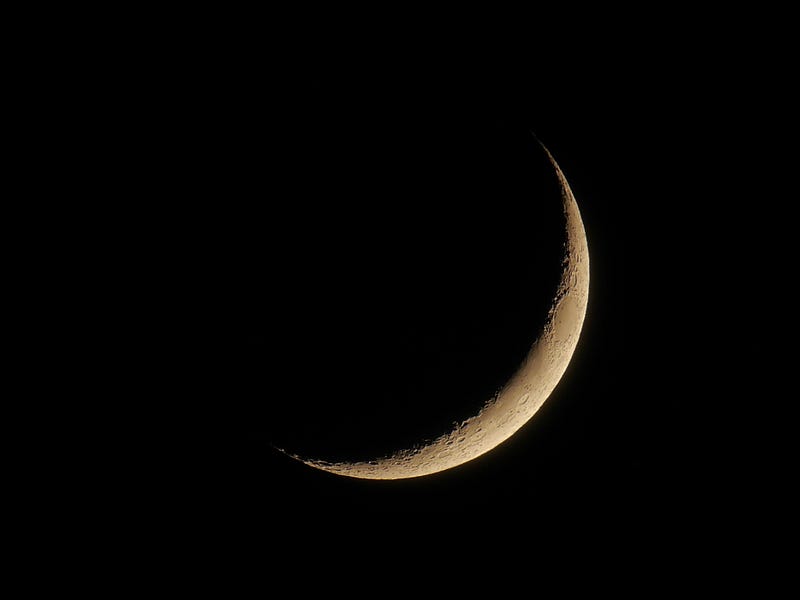
I asked my husband what does the moon remind you of when you look at it? He said, “Eid”.
What is the significance of the moon in your culture or religion?
What did it remind you of ?
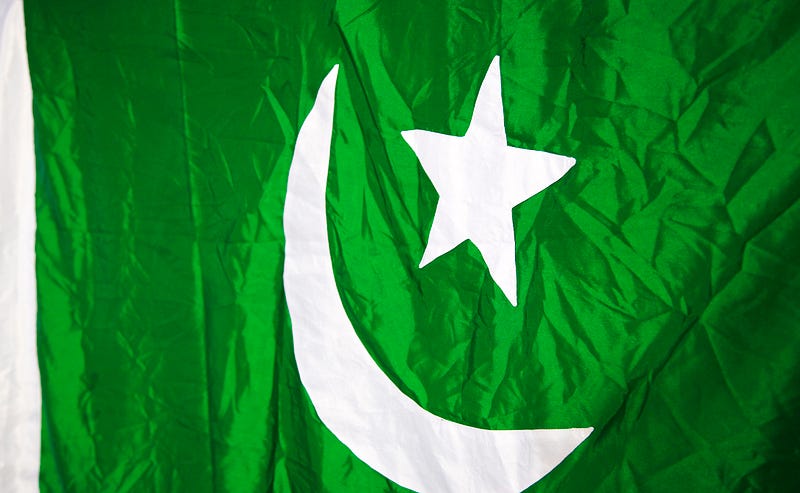
My son thinks of Pakistani flag whenever he gazes at the moon because it has a moon on it.
Reflection
Whenever I look at the moon, It mesmerizes me. I feel like there is magical enticement in the moon. There is something in the moon that captivates me and inspires me to write. Mostly, the full moon nights have urged me to be creative in terms of writing poetry. And answer to the question If I sang moon lullabies to my children when they were young, is a yes. Here is one of my poems that I wrote on a full moon night:
Did the moon influence you in any way how or why?
© 2022 by Saba Haider
Thank you for reading my story about the majestic moon. Here are some of the other stories I enjoyed reading. I hope you will like them too:
Caroline de Braganza shares her experiences and thoughts about the moon in the following story:
Shameem Anwar tells us an interesting story about the friendship between the sun and the moon in his following story:
Once again my hearty thanks to my readers who take the time to read my stories and thanks to the editors of Reciprocal: Dr. Preeti Singh, Yana Bostongirl and Sahil Patel for providing safe space for our stories.


