
A True Connection is it possible?
How Can We Find True Connection with One Another?
When will we have a happy, connected and contented world?
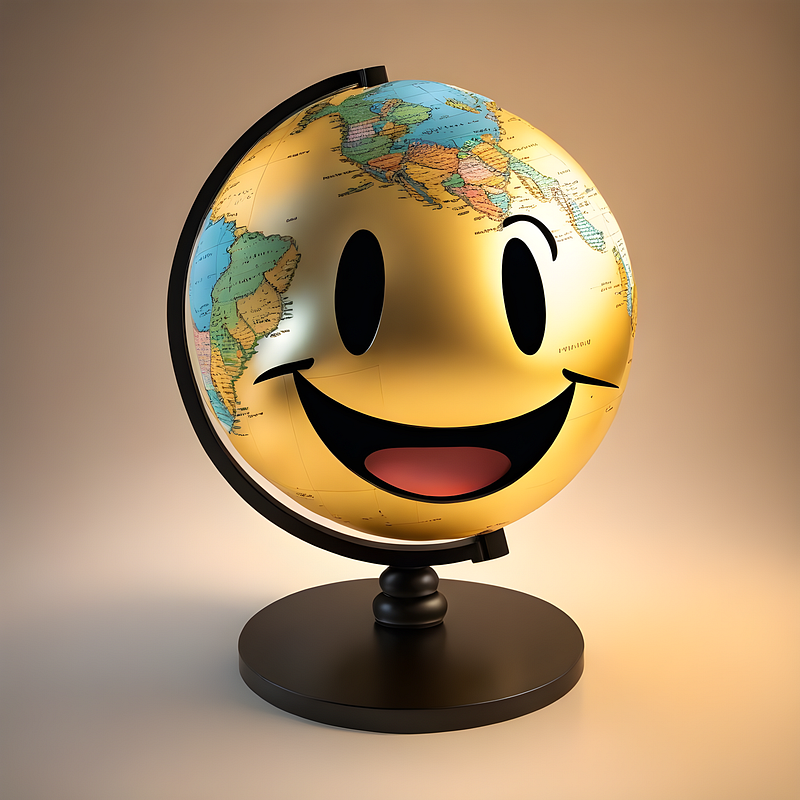
In this big old world, we often compare people and societies, striving to prove that one’s faults are no different from another’s.
But does this tendency to compare hinder our collective growth or help us progress?
Let’s explore the questions of empathy, understanding, and unity.
Comparison: A Double-Edged Sword
In a world where atrocities occur for varied reasons — from protection to greed and superstition — is it beneficial to use others’ actions to assert moral high ground?
As a humanist, I believe in understanding that people are just people.
We shouldn’t generalize the actions of a few to an entire society, but we must express our thoughts thoughtfully.
Expressing Views in a Diverse World
In our modern world, we have platforms to share our opinions, fostering constructive dialogue. We are a global community.
No society is perfect, and we must address intolerance and hatred within societies. Honest debate can lead to progress.
I understand that sometimes, a personal experience doesn’t align with broader social issues.
Some of you may not have encountered significant challenges or discrimination yourself, leading to the belief that you live in a problem-free environment.
But as long as we live on this earth and have collective responsibility — we are never free, as this is a global community.
We are interconnected, and the well-being of one part of the world will impact the well-being of another, highlighting the importance of addressing global issues collectively.
Breaking Down Divisions
Claiming that one society, nation, or people solely betters another is divisive.
To bring change, we must educate ourselves, listen, explore diverse perspectives, and unite as a global community, looking beyond self-interest.
The Complexity of Ownership
Landownership is intricate. Do any of us truly own the land we inhabit, or is it a societal construct? The borders that define of world are not a natural part of the world, but they exist because we believe them.
Our societal structures create rules and boundaries, dividing our planet into regions, which are essentially social constructs — imagined communities.
The Need for Understanding
To foster unity and forgiveness, we must strive to understand others’ perspectives.
The world remains divided, partly due to cultural differences and personal experiences, making addressing these issues challenging.
In The Art of Communicating by Thich Nhat Hanh, Thich Nhat Hanh, emphasises the importance of deep listening and understanding in interpersonal relationships and societal harmony.
He discusses how cultural differences and personal experiences can create barriers and provides practical guidance on bridging these gaps through empathy, compassion, and active listening.
This book offers insights into how understanding others’ perspectives can lead to forgiveness and unity, even in the face of significant differences.
The Future of Humanity
The question arises: does this divide signify the downfall of humanity? We witness a relentless cycle of wars, individuals holding steadfast to their beliefs, and a reluctance to seek common ground.
Human life, valued differently by various groups, isn’t always respected.
In a complex world, we face the challenge of raising another generation. It’s a world that demands our understanding, empathy, and a commitment to bridge the divides that separated us.
By seeking to understand others and their perspectives, we can take the first steps toward a more united, harmonious world, leaving a legacy for the next generation free from the turmoil and divisions we experience today.
But alas, sadly, I am not sure about this. I have decades of life left, and so I hope to see an improvement in my lifetime. What do you think?
I leave you to ponder.
©Sophia Tell. All rights reserved.


