
How Do We Change The World?
It’s all in how you use the spoons
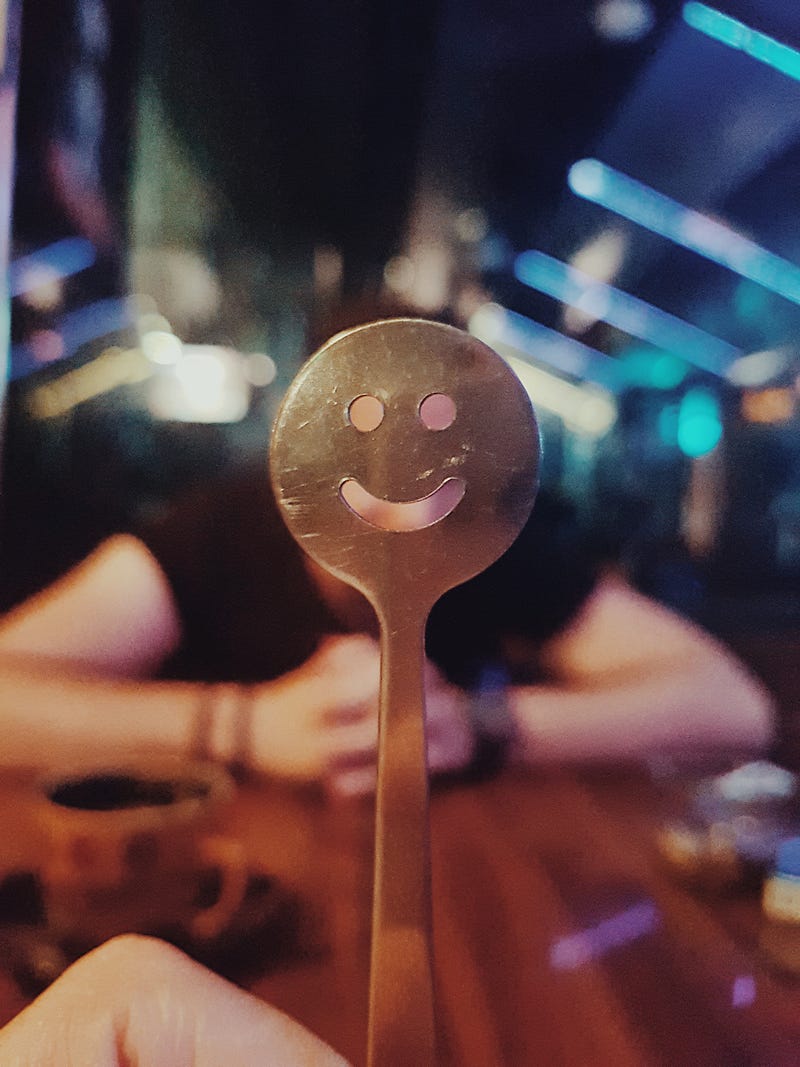
There’s an old parable of unknown origins that I first heard years ago. Since then I have heard many versions of it, some from different cultures and some with their own added details, changing a bit each time as stories told for generations are prone to do. Still, the major concept remains the same.
People die and end up in either hell and heaven with arms replaced by very long spoons. There is a banquet table in front of them with bowls of delicious food. Same basic setting in both places.
Unfortunately the people have changed on their journey to each place, and the size of the utensils and the lack of bend in their arms means that people cannot reach their own mouths with their spoons.
Those in hell keep trying to eat their way, working as individuals. They sit at the long table and try and keep trying to feed themselves. Food goes everywhere but in their mouths. They never succeed. They begin to die of starvation, one by one.
Those in heaven are plump and happy, however.
The difference between hell and heaven? Everyone in heaven is feeding each other and enjoying their fill of the fabulous food. It’s a party full of life.
It’s an easy allegory to interpret, isn’t it? When we try to do it all by ourselves, we limit our opportunities for success. We are doomed to fail, or to be frustrated trying. If we do happen to win, we win alone.
When we cooperate with others, however, we not only increase the possibilities of being successful ourselves but can find solutions where everyone wins. The accomplishments are multiplied.
I’ve been thinking lately of the saboteurs and the prideful. Those people who want others to fail in life. Those who want to win on their own and are in a game with others that their opponents don’t even know they are playing.
In success, they win alone. Oh, there’s a certain satisfaction there, for sure, but it pales in comparison to being part of a team that joins their individual strengths and weaknesses, to harness new energy.
When this team unleashes that power to solve a problem together, to go after a quest, the win is even more satisfying. They work as one, and that rhythm and dynamic creation takes them to heights that alone they could not reach on their own.
I’ve worked in both kinds of environments. In one place everyone is siloed and stays in their lane, and in the other where everyone uses their gifts and talents to cover the other’s weaknesses.
Guess which people now remain not just co-workers, but friends?
Life is better when we work together and feed those around us, instead of focusing merely on feeding ourselves. Like those people in heaven, we celebrate the success of everyone and our own weaknesses and limitations fade.
But it truly is hell when you decide you must always go it alone. Not only do you bear the brunt of frustration by yourself, even if you were to succeed it would be a celebration for a party of one, surrounded by cadavers. Some may enjoy being the winner in that game, but to me it would be eternal damnation.
“Never doubt that a small group of thoughtful, committed, citizens can change the world. Indeed, it is the only thing that ever has.” — Margaret Mead
Be a team player. Invest in others. You may find yourself fed in return.
Kim McKinney is an introvert by nature, but has learned that there is nothing as fulfilling as being part of a good team. She lives in North Carolina, surrounded by friends and family whose humor and wisdom keep her laughing and thinking.


