
How Do Poets Write Poetry?
Robert Frost, Emily Dickenson, Shakespeare: How do they do it?
Many people believe these famous poets sit down, get a brilliant idea, scribble it out, and submit their poems without any trouble.
But the most famous poems have been revised several times, stewed in the poet’s head, and have taken many shapes.
You might think you’re not a whiz at figurative language. Maybe you could never decipher the complicated, hidden messages poets use.
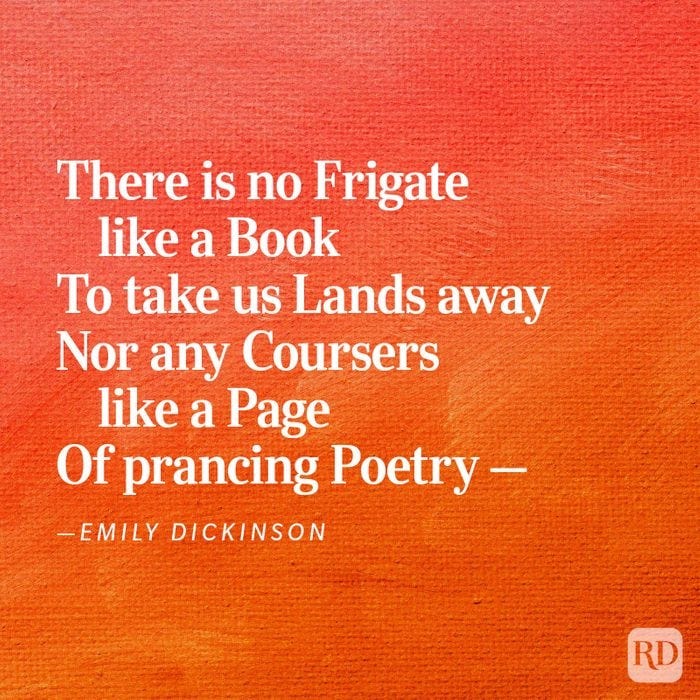
The first step is to read poetry.
Reading poetry takes the opposite process of writing it. Think of it like origami. The poet has folded and shaped the paper, but to get a clear image of what the paper looks like, the reader must undo the poet’s steps, and flatten out the piece.
- Notice the rhythm- Cadence, how it sounds. Read it out loud, and listen to it being read. Feel the beat and hear how it’s like a song. After all, songs are often created based on poems.
- Find the figurative language- Read a poem all the way through. Choose a famous one, or one that you like a lot. Then, take a highlighter and highlight all the figurative language you see. Finally, figure out what it means. (Bonus points if you find out why the poet used it.) There are 12 main types of figurative language. Research them!
- Rewrite the poem in simpler terms- You might think this is a ton of work, but if you want to be as good as the pros, you have to understand the pros. Take all the figurative language and fancy vocabulary away, and look at the plain message.
- Decipher what it means- What is the main idea? What are the subtopics? Write some universal themes discussed. This is what the poet was trying to convey.
- Repeat the process- Use a diverse spread of poems. Don’t pick up a poetry book by Edgar Allen Poe, read and annotate 20, and think you’re an expert poet. Find different styles and moods in the poems. Compare poets’ voices. Read poets from different countries.
Write your first poem with this new knowledge.
- Brainstorm- First come up with main themes, ideas, messages, and topics. What are you passionate about? What do you want to write about? Think back to what other poets have written about.
- Write your prose draft- The first draft of poetry is the prose draft. Don’t worry about poetry. Forget it’s a poem. Just write in an essay or narrative style (if the poem is a story go with narrative. If it’s not, go with essay). Keep your main ideas in mind while you write. See where it takes you.
- Put it in poetry form- Make it a free verse poem. No rules or regulations. Don’t worry about rhyme or rhythm, just make it look like a poem. Break it up into stanzas, and exchange sentences for lines.
- Add figurative language- Remember the main 12 you learned? Now use them. Throw in your clever metaphors and similes. Don’t forget about alliteration and onomatopoeias. This is what makes poems poetry!
- Put in your rhythm, rhyme, and rules- If you want to keep it free verse, you don’t have to stress over this. But if you’re so inclined to write a sonnet or villanelle, look up its regulations and add the rhyme scheme, syllable count, and cadence to it.
Tips and Tricks
- If you’re following a format, follow it exactly! If you’re tempted to break the rules “just this once” it will be considered a free verse poem. Unfortunately, your audience will perceive it as a poorly structured poem that was intended to have a format.
- If you’re stuck on a line, skip it and come back- Don’t worry about perfecting each line right away, give it some time to stew, and then come back with a fresh mind.
- Write short poems first- Writing an easier, shorter poem is much better for beginners than sweating and stumbling over a complicated format.
- Have others read it out loud- I’m sure there’s someone in your life who would love to read your poem to you. Listen to what it sounds like to someone else, outside your head. Take note of where it stumbles, sounds awkward, or forced. Fix it later.
- Join a poetry club- Having a community with other poets can be beneficial for support, feedback, and inspiration. It also helps you get over self-consciousness. Many people are nervous about sharing their poetry, even if it’s really good. Get used to sharing with others and listen to theirs as well.
Now go create those masterpieces! Don’t ignore any steps, and your poems will thank you. Practice makes perfect, and that’s especially true in this case. Each poem you read will increase your knowledge, and each you write will increase your quality.
Happy Writing!


