How do I become an Astronaut?
Becoming an astronaut is a dream job for a lot of people. You have the thrill of possible space travel, hands are actually creating the future of spaceflight. The road to get there is tough.
Every person who applies to be an astronaut is usually at the top of their game. You have professional athletes, Ph.D. professors that have years of research behind them, jet and test pilots that have faced the exact challenges that your respective space agency is looking for, military personnel who have faced the worst and engineers who have equivalently brilliant resumes. There are phases in training that state how far you get in the process. I will link a video from a finalist from the 2008 Canadian selection. To give yourself the best shot is preparation. This is the part before you apply that can give you a leg up. Collect the pieces of paper like certificates and licenses to boost your resume and chances.
Preparation
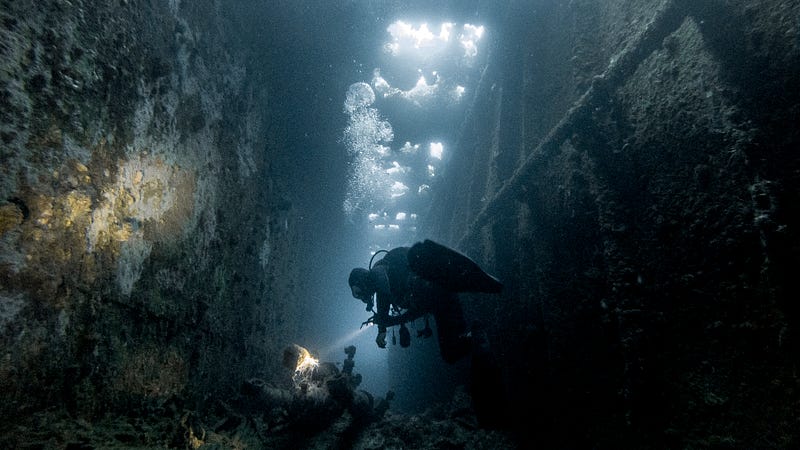
Collecting the paper that can boost your resume is key to your paper application to be an astronaut. An advanced scuba license is crucial when it comes to applying. This is important because during the aptitude test there are a lot of water safety tests that require some talent. Being physically fit is especially important not just for the application but for a healthy life. Next, getting a pilot license will also boost your chances. In a fixed-wing or glider is good. You have helicopters or even jets if you want to go that far. This is helpful because when it comes to possible danger under pressure making sure your plane stays in the air is welcome.
Applying
The next wave is the actual application. When it comes to it, patience is the game. This is a year-long process just because there are so many applicants having to go under the microscope. In 2008, The apps went out in May. Then in Aug, they are notified if they made it past the first wall.
Phase 1
This is when phase 1 begins. Your written application. Within your application, you have your area of expertise, but they are looking for someone with at least two out of the four categories. Aviation, science, medicine, and engineering.
Phase 2
Phase 2 is where the interviews, the aptitude tests, and med exams begin. The med exams are done by military institutions because they have the closest thing to what an astronaut will face. The candidates must go through a medical questionnaire that is super-specific. Additionally, they go through the AF flight medical as well as the navy diver medical. Once you pass all of the testings this is where the interview begins. The questions that are asked are numerous and you have to time your own answers because you only have a limited time slot. This part can be overwhelming because your questionnaires are the heroes that you’ve looked up to. A sample question from the video: “Imagine you've trained for years to go to the moon, and then your backup is given the spot. How would you respond?” I want to emphasize that preparation is key.
Aptitude tests
Phase 1
This is the point where you meet the other applicants. The tests here test your spatial reasoning, survivability, and psychological well being. You have IQ tests, psychological tests, RAF Aircrew, robotics, and fitness. There is even a test that has three videogames all at the same time. It is like you are playing one game and on the other a different one. At the same time, you see numbers flash that you have to answer questions after 30–40 seconds of memorizing them. A part of the fitness testing is pt, physical training, and solving an underwater puzzle, etc.
Phase 2
In phase 2 is where the stress and teamwork ability is tested. You have the HUET, helicopter underwater egress training, which is where they sink a helicopter cockpit and it flips underwater. You have to keep your safety belt on until you have planned your escape because they occur at night as well. Additionally, there is fire, flood, and hazard training. You go under firefighting and flood training. The firefighting is pretty self-explanatory. The flood training consists of a small container that can fill with water. You work with pumping the water and fixing the leaks including evacuations. Finally, you have the evaluations from the other candidates to round it all off. In the last few days, you have all worked together and learned about each other.
From this point, you can be called from the finalists after selection.