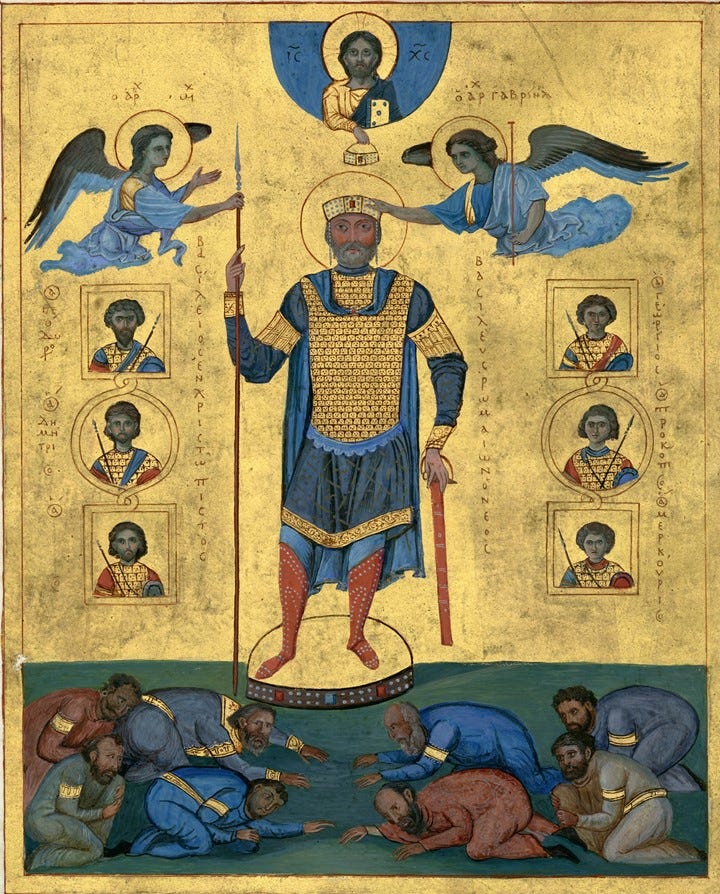
How did the Byzantines view the Ancient Romans?
The Roman Empire or The Roman Rump State?
The myth of a complete Roman collapse in 476 A.D has been beaten to the ground in the past few decades, as the recognition of the Roman survival in the East as the sole politically legitimate continuation of the Roman Empire countered the traditional assessment of a “Byzantine” rump state. As a result, it is common for people to claim that “the Byzantines were Romans!”, but this statement is only true in a narrow perspective, and to understand this complicated duality, explaining the relationship of the Eastern Romans and its Ancient Roman predecessors is vital.
The Origins of the Eastern Romans
There is a misconception that the Eastern Roman lineage stretched all the way back to the times of Augustus and Ceasar both politically and culturally, as the truth is far more muddled and complicated. Politically, yes there was an unbroken line of Emperors, but culturally this is false, and the flaw of this equation is the act of one factor, Constantine.
After the Crisis of the Third Century, the West had entered into decline while the centre of the Empire shifted to the new Eastern Capital of Constantinople built by Constantine the Great.
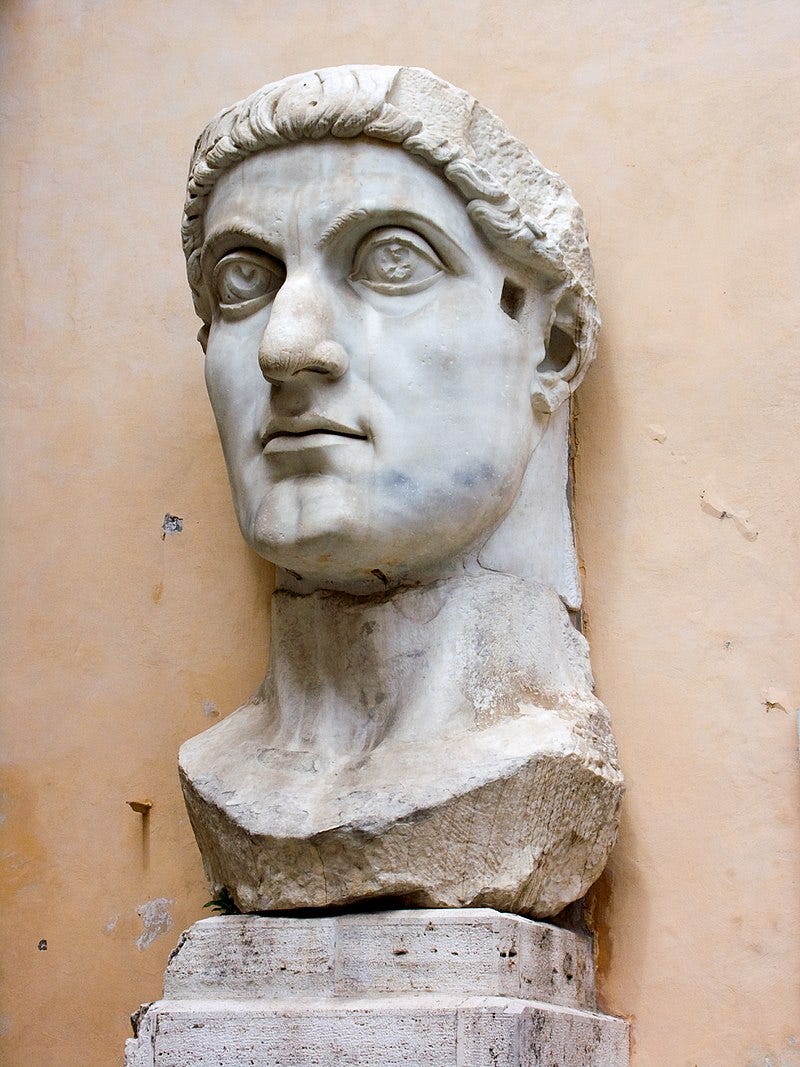
Constantine: The First and Last Emperor
The Scholars of Eastern Rome during the Medieval Period almost never mentioned the earlier Emperors of Augustus or Trajan, but one name that reoccurs is Constantine. Since Constantine brought the Capital of the Roman World Eastwards, Medieval Romans credit him as the founder of a “Nova Roma” or “New Rome”, which points to a distinction between the Latin Dominated Romans of the Pax Romana Period to that of Constantine.
This distinction was purely symbolic and cultural but still points to the relative irrelevancy of Augustus and the old Latin Emperors in the Byzantine Empire. As a result, the “Old Rome” in the Byzantine perception was akin to a distant forefather that for their intents and purposes, gave rise to the “Nova Roma” that they lived in.
Change in “Roman”
In addition, the Roman identity by the Late Medieval Period was inconceivably different from that of Ancient Rome. For instance, the idea of a universal “Roman World” had been shattered with the reduction of Byzantine fortunes in the East and the Rise of the Western “Barbarians”, while Christianity became tied with the Roman identity.
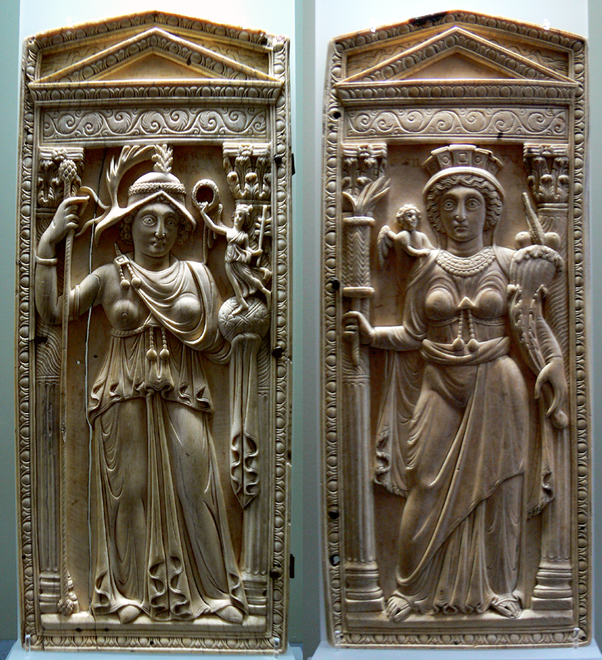
Moreover, the Christian basis of the “Nova Roma” identity was the doing of Constantine, which further points to his position as the founder of the symbolic Eastern Roman Empire.
Subsequently, “Roman” had shifted from an idea of superiority and universal dominance to more of nationality, as although the idea of Roman superiority was present in the Medieval Empire, it was relegated to more subtle social and religious factors than the grand idea of a sole Roman identity.
Conclusion
The truth is, the Byzantines were Romans, but merely a different type of Roman that had its origins directly related to Constantine the Great and his successors, while the original Latin Romans symbolically fell in 476 A.D. Subsequently, there is a slow cultural and practical split between the two Romes, but should still be seen in the perspective of a continuous Roman History.
Sources: