
How Did People Count Years Before BC and AD?
Everyone used to count their years differently
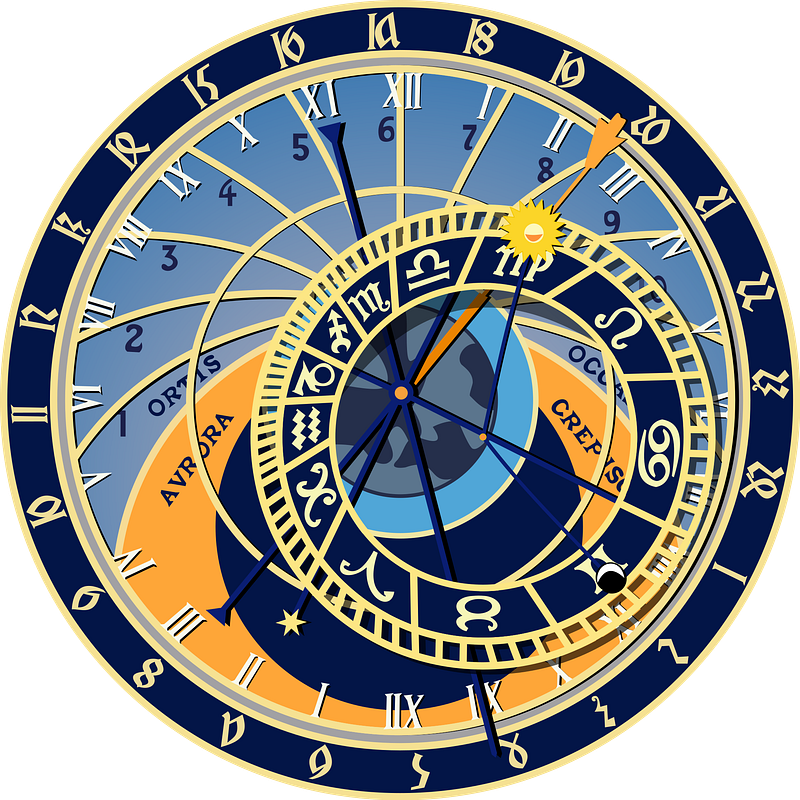
What year is it? Asking for the year is a question often posed to people who have recently suffered a concussion or one that comes out of the mouth of unwilling time travelers in science fiction literature. That is because, in the current era, years are universally known and universally tracked. The world primarily uses the Anno Domini system, which is Latin for “the Year of the Lord,” and that year is based on the Gregorian calendar. It has been like this for hundreds of years.
But how did people keep track of the years before the acceptance of Anno Domini? If you asked a Roman for the year after the assassination of Julius Cesar, what would they say?
It turns out, before the fusion of the Gregorian calendar and the Anno Domini calendar era, there were many different ways to count the time.
The age of kings
The most common way to count the years was to tie the date to the current ruler, king, or emperor. This is readily apparent in many ancient texts, including the Bible. Passages will begin with the phrase “in x year of the reign of y ruler,” giving the reader the place in time. The reign of kings and emperors was carefully tracked and charted. For the learned of the population, the years of certain ruler’s reigns were just as easily understood as our current dating system.
This practice can be seen all over the globe in ancient times. The ancient Jews used it, and the Romans used it. The Japanese and Chinese used it. It is called the regnal year.
This was a readily adopted system throughout history for a number of reasons. First, it tied the counting of time to the current monarch, which lent the ruling person legitimacy and a strong presence with the people. Second, it was easy to adopt. Courts, historians, and clerks were already counting the years of kings, and it was an easy way to count the years in the kingdom without having to use or learn an external system.
Similar to our current BC/AD dating, there can be no year zero in the regnal system as there are no zero years for a king’s reign. The first year of their reign is recorded as year one, then two, and so forth.
Ab urbe condita
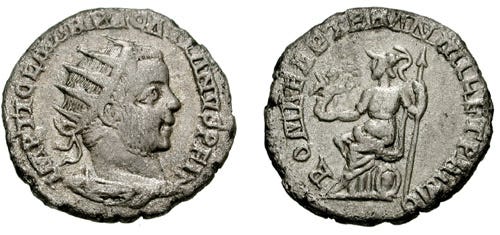
Ab urbe condita is Latin for “from the founding of the City” and denotes a system of dating that counts the years since the mythical founding of Rome. In conjunction with the regnal dating system, ab urbe condita, abbreviated AUC, was used by ancient Roman scholars. This system begins with the year of Rome’s founding, which is traditionally counted as the year 753BCE.
752BCE would be counted as 1 AUC or one year since the foundation of Rome. This system was widespread enough that the Roman Emperor Philip the Arab celebrated Rome’s millennium in the year 248CE. That year marked the year 1000 AUC, an entire millennium since Rome’s foundation. Emperor Philip marked the occasion with feasts and specially minted coins.
The current year, AD 2021, in this system would be 2773 AUC.
The Hebrew calendar
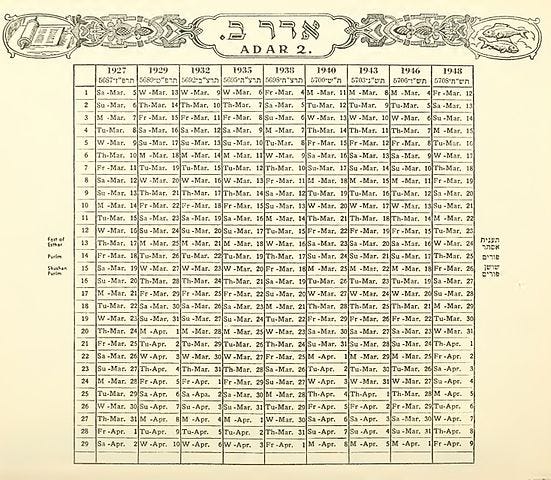
Another popular system for counting the years comes from the Hebrew calendar. The Hebrew calendar has been around in some form or fashion for thousands of years. It is used to mark the strict observances of the Jewish faith, including holidays, festivals, and special readings from the Torah. Like the Roman calendar, the Hebrew calendar counts years from a founding, but instead of the founding of Rome, this calendar counts years since the foundation of the world according to their sacred texts.
Other systems used in Jewish culture also counted the years since the destruction of the First Temple as well as years marking the rebuilding and destruction of the Second Temple.
However, the current system, Anno Mundi, counts the years from the accepted point at which the Earth was formed by God. The Latin, Anno Mundi, means from the creation or from the world.
The current year, AD 2021, in this system is AM 5782.
The current system
The current system is the Before Christ and Anno Domini epoch which counts the years since the birth of Jesus Christ. More secular minded people, and scholars, have transcribed this system into Before Current Era and Current Era (BCE and CE) to distance themselves from the use of Christ as a point to count the years. This system began its universal dominance in the Middle Ages and continued to spread through the Renaissance in conjunction with the Gregorian calendar, which we still use daily.
As the world continued to become more connected and dependent on one another for trade, the need for a standard system of time became an urgent necessity. Throughout the Renaissance, from the days of the British Empire to today, people have continued to refine and share time in a universal manner. The modern economy is more interconnected than ever before, and the use of a single world calendar continues to be the norm.
Now, everyone in the world uses the same calendar to count the days and the years. Regional, historical and religious calendars are still used by groups of people, but they are all largely used in conjunction with the universally accepted global calendar.