
How did International Women’s Day Begin?
When and how did we choose to come together as an international community to celebrate women on March 8th?
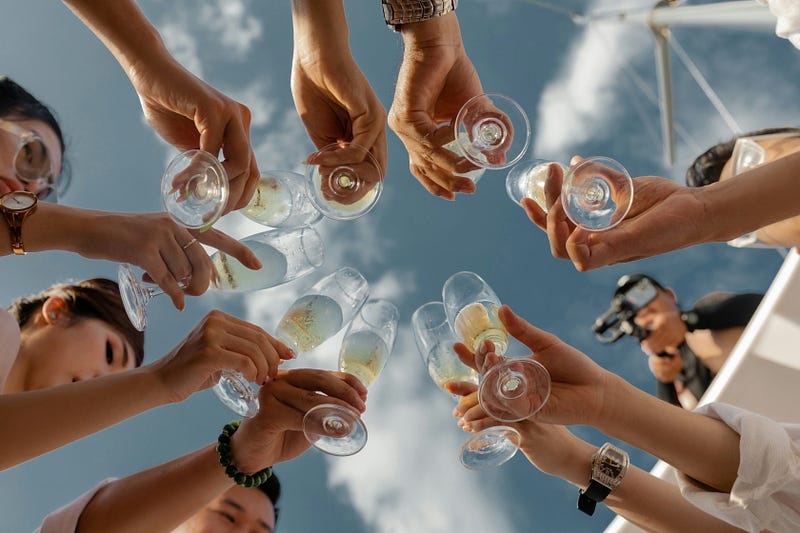
Women’s voices continue to be marginalized.
I remember arriving in Ukraine for work in 1996. In March of the same year, I was invited to a dinner party to celebrate International Women’s Day on March 8th.
My first question to my Ukrainian colleagues was, “What’s International Women’s Day?”
Both my male and female colleagues were shocked. How could I not know about and celebrate International Women’s Day as a feminist and female businesswoman? I told them we didn’t celebrate International Women’s Day back home in the United States.
The way Ukraine in 1996 celebrated International Women’s Day proved to be interesting. It was the one day of the year when men had to do everything for women. Women could lay around all day eating bonbons if they chose. Men had to cook, clean, and serve them. During the colleague dinner I attended, the men cooked, waited, and cleaned up after us.
I thought it was a strange tradition suggesting to me the roles must be reversed the other 364 days of the year for Ukrainians to mark this holiday the way they did.
Starting around the mid-2000s, my company, Accenture, and many other American and Global companies began to celebrate International Women’s Day (IWD) here in the United States. As women, we weren’t waited on like I had been in Ukraine, but we were celebrated with symposiums and women speakers discussing topics like leadership and empowerment.
For example, I was lucky to hear wisdom from the likes of Cheryl Sandberg of Facebook, and Reshma Saujani of Girls Can Code.
I am sure IWD is celebrated very differently in Ukraine today, though I know misogyny still exists there as it does in the United States. I long for the day when IWD and Women’s History Month no longer need to be codified as a special day or month of the year!
Wise people have said, “African American history is American history.” I could not agree more!
Women’s History is also American history. Why do we need a special day or month to celebrate women then?
It’s because we are not equal in this country and until we are equal, Women’s history like African American history will not be covered with the same vigor as White Male history unless we make it special.
It’s only been in recent times that marginalized voices have begun to have their voices heard. How many of us were surprised to learn about black women’s essential contributions to NASA’s moon landing that would not have been known otherwise in mainstream media if not for the film Hidden Figures?
While progress has been made, white men write history, and we still have much more work to do for that to change. Therefore, we continue to need IWD and Women’s History Month.

So, what is the origin of IWD and American Women’s History Month?
Why did IWD take so long to take hold in the United States and much of the world?
What does it mean to us as American and Global citizens today?
The Origin of International Women’s Day
International Women’s Day was officially celebrated for the first time in 1911 in Austria, Denmark, Germany, and Switzerland on March 19th with over one million people participating in rallies across cities for women’s rights, voting rights, and training, and against discrimination.
However, the inception of IWD started a bit earlier in 1909 when the Socialist Party of America declared the first National Women’s Day (NWD) in New York City to be celebrated on February 28 to commemorate the 1908 Garment Worker’s strike. It continued to be commemorated through 1913 in the United States on the last Sunday of February through rallies.
In 1910, at the second International Conference of Working Women in Copenhagen, Clara Zetkin, a leader in the Social Democratic Party in Germany, suggested celebrating an International Women’s Day on the same day by countries all over the world. The women at the conference representing seventeen countries agreed, and IWD was born and celebrated for the first time in 2011.
However, IWD did not find its permanent date on March 8th until after 1917, when Russian women held a strike in St. Petersburg for “Bread and Peace” against Russian involvement in WWI. Their strike bore fruit as it forced regime change with the Tsar’s abdication and it also won them the right to vote. The strike started on the Russian Julian calendar of February 23rd which translated to March 8th on the Western Gregorian calendar.
In 1917, Vladimir Lenin the head of the Bolsheviks declared International Women’s Day a national Soviet holiday and implemented this once the Bolsheviks came to power. Later communist countries like China would also adopt IWD as national holidays. Until the mid-1970s, IWD was primarily celebrated in socialist countries.
Finally, IWD was acknowledged and recognized by the United Nations for the first time in 1977.
As IWD spread more widely after 1977, how it was celebrated changed from its initial founding. It has been mostly celebrated in over 100 countries with flowers, men serving women or leadership symposiums, but rarely used as an activist platform to demand better conditions and more equal rights for women.
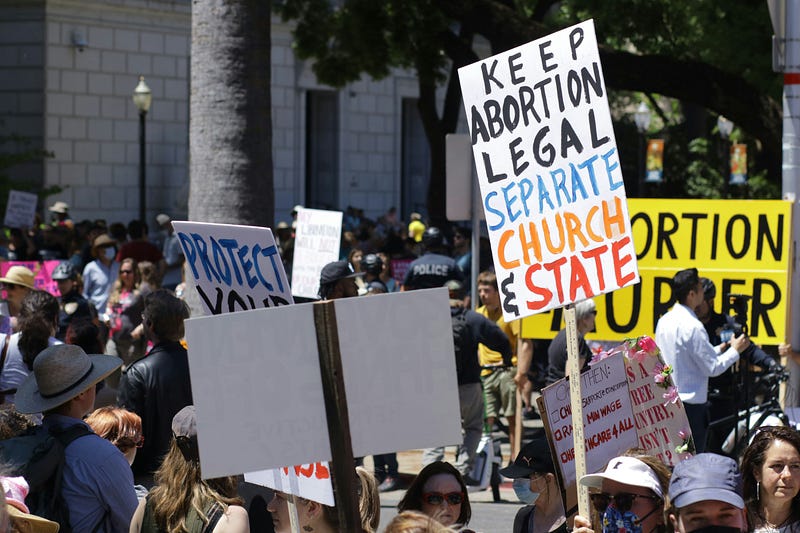
By the 2000s, IWD had not only become a global event but also one celebrated in the United States. In 2011, as a nod to its 100th anniversary, President Barack Obama, finally created Women’s History Month in March to coincide with International Women’s Day.
Why did it take so long to catch fire across the World and in the United States?
Ironically, an annual Women’s Day was first declared in the United States, and yet, it took well into the early twenty-first century before it was celebrated in the United States en masse.
The answer can be easily found through history. International Women’s Day was started by a Socialist party in the United States and then co-opted in its infancy by the Bolsheviks in the 1920s. This would have made the holiday toxic to Western Democracies across the globe and American Leadership during the twentieth century, especially during the Cold War period against communism.
It makes sense that my first encounter with IWD would have been in the mid-1990s in a legacy Soviet country. It would only have been after the fall of the Iron Curtain and communism, that free market countries like the United States would begin to embrace a former socialist holiday.
How should we celebrate IWD now?
The 2024 theme for IWD is “Invest in Women: Accelerate Progress”. In my experience, IWD feels like a day of slogans and feel-good about women.
There have been discussions about bringing back the social activism of the holiday to press for greater equality for women in the United States as well as across the globe. I hope this becomes the case as women need a forum to continue to push for equality. We don’t need a day to just make us feel good!
How do you think we should celebrate International Women’s Day?
References:
IWD: History of International Women’s Day (internationalwomensday.com)
Background | International Women’s Day | United Nations
The Surprising History of International Women’s Day | HISTORY
International Women’s Day 2024 | WHO | Regional Office for Africa