
How Developing Tiny Habits Can Radically Change Your Life
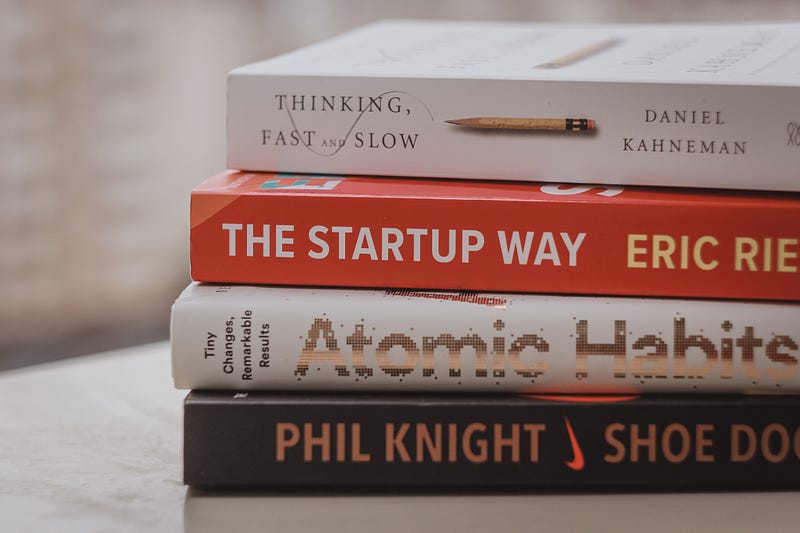
The habits that you build today determine who you will be tomorrow.
Over the past year, I have spent a great deal of time analyzing my normal routines to better optimize my personal growth and productivity. Deliberately replacing bad habits with good habits has led to many substantial outcomes, allowing me to progress much quicker towards my goals while providing me with a stronger sense of self-fulfillment and overall accomplishment.
The single, most important lesson that I’ve learned so far from intently evaluating my daily routines and habits is that major life transformation rarely happens on its own, but results from building daily rituals and consistently sticking to them.
The Power of Forming Habits
James Clear’s book, Atomic Habits, highlights just how powerful our habits are. Even more important, it reveals how to break free from bad habits and while replacing negative tendencies with more beneficial and productive habits.
As I began my self-development journey, the concept that Clear calls “ the compound interest of self-improvement hooked me.” It’s the idea that getting 1% better each day at a skill you’d like to learn and develop will lead to massive improvements over the course of a year.
Depending on what task or skill you want to excel at, if you can simply devote time each day to becoming just slightly better than you were the day before, then you will notice dramatic improvements at the end of 365 days.
Building a habit of learning and practicing each day will allow your skills and knowledge to accrue. Those marginal improvements that you make each day will compound and result in something remarkably worthwhile.
Be better today than you were yesterday and be better tomorrow than you are today.
True Results Come From Habits, Not Motivation
Everybody wants to achieve some kind of transformation within their lives. We all desire some level of greater success, however, you choose to define it.
But often, we wait to feel motivated before actually taking the steps necessary to complete the actions required to advance us closer to achieving our goals.
The presumption is that when you feel motivated, you will take action. But it’s actually the opposite. When you take action, no matter how unmotivated you are to begin with, you will eventually become more interested and inspired by the task at hand and the skills that you’re striving to improve.
“Those who only do what they feel like, do little. To be successful at anything, you must take action even when you don’t feel like it, knowing that it is the action itself that will produce the motivation you need to follow through.” — Hal Elrod
It’s a common misconception that motivation leads to success. Motivation isn’t something that just comes to you. And the longer you wait to feel motivated or inspired, the less interested you become in actually doing whatever you want or need to do.
The key to feeling motivated and maintaining a strong trajectory of growth is taking action. And the most effective way to consistently take action is to build lasting habits.
4 Stages of Habit Formation
In a video highlighting how to become 1% better each day, James Clear noted that there are four steps involved in forming a new habit: Noticing, Wanting, Doing, Liking.
- Noticing
By pursuing something new, most people believe they lack the motivation or willpower to get started. But what they really lack is a thorough understanding of how to approach their new endeavor.
It’s not about waiting for a sense of motivation to inspire you to write, meditating, or working out. Instead, it’s far more effective to start by setting parameters and outlining the specifics around when, where, and how you are going to do each of these things.
By taking the decision-making element out of the process, you’ll be more likely to focus on the practice itself, rather than all the decisions that come along with it.
This stage is about recognizing which processes and types of approaches are going to most contribute to your success. Then putting a plan in place to implement the habits that will support these processes that you’ve outlined for yourself.
2. Wanting
Your environment influences your habits and desires. Often, we want things or choose to do certain activities simply because they’re an option that we have available.
One of the most interesting examples of this is how most people design their own living rooms within their homes. For example, the modern living room almost always includes a big TV and comfortable couches and chairs that are directed at that TV. It’s no wonder that the average person spends several hours per day watching mindless shows on the television.
This type of environment isn’t necessarily designed to boost productivity, rather the opposite. When you’re comfortable on the couch and have a binge-worthy show playing in front of you, it’s hard to fight the urge to simply relax and zone out.
Fortunately, you don’t have to be a victim of your environment, you can be the architect.
“Addictions could spontaneously dissolve if there was a radical change within the environment.” — James Clear
If you want to read more, put a book on your desk. If you want to work out in the morning, prepare your gym bag the night before. If you want to watch less television and play the guitar more, put your guitar in your living room and make your television remote, less accessible.
Our desires are shaped by our environment and when you design an environment that supports your good habits, they will become easier to stick to.
3. Doing
Perhaps the most important part of forming a habit is actually putting in the work.
Any outcome you wish to achieve results from repetition. The more that you consistently practice and put in the effort, the more likely you are to achieve your ultimate goals.
When starting something new, most people focus on the end-goal (how much money they’ll make, how many followers they can amass, etc). But striving for some wildly substantial goal can be very intimidating and daunting for someone that is struggling to merely take initial steps.
Instead of fixating on the end-goal, think about the starting point. It will be far more effective to focus on what’s actually within your realm of control.
The goal is not to write a book; the goal is to become a writer. The goal is not to run a marathon; the goal is to become a runner. The goal is not to be a professional musician; the goal is to become a guitar player.
You don’t know what the outcome of your habits will be, but you have the power to control your actions. Focusing on making small wins today is what’s necessary if you ever want to reach those tenacious end-goals that you have in your mind.
4. Liking
Your habits are more likely to remain if you enjoy them. However, forming a new habit can challenge and unrelenting.
To make your habit more fulfilling, it’s important to figure out how to bring some kind of reward into the present moment. Substantial rewards are often delayed, but having some kind of instant gratification will encourage you to keep pressing forward.
The key to developing a long-term habit is finding satisfaction. Behaviors are far more likely to be repeated when you enjoy them.
A simple way to find gratification from your habits is to track your daily progress. Put an ‘X’ on the calendar whenever you make progress in building your habits and refining your skills. Let this little marking signify that you met your daily goal of writing, working out, or playing the guitar.
Measuring your progress is gratification, and by simply acknowledging that you put in some kind of effort, you will gain a sense of reward.
Change Your Life by Changing Your Habits
The little choices and small habits that you make daily are transforming you. The question is: Are you maintaining good habits or bad habits?
Daily rituals are not only the method to which we achieve success, but they are the path in which we achieve internal change and become someone new. They have the power to shift our identities and evolve the beliefs that we hold for ourselves.
Gradually, with consistency and repetition, you can evolve into someone entirely new and transform your identity.
Be cognizant of your daily actions because they will slowly define who you are. Every action you take moves you either step closer or further away from the type of person you want to become.
If you can change your habits, you can change your life.
Looking for some words of encouragement as you develop new habits and strive to reinvent yourself? Check out my YouTube channel for motivational and personal development videos.