How Culture Impacts Your Growth
The importance your environment makes on your engagement level
We all strive to develop ourselves and, at the same time, successfully lead our teams. But, often, the environment that surrounds us — the all-important company culture — holds us back. Without the right culture, self-development and team development are impossible.
Do you feel like your company has your best interests at heart?
If you don’t understand what that means — or if you can’t quickly answer yes — there are problems. It took me a long time to get my arms around the culture issue.
Don’t think of giant pie being thrown in your face!
I bet you just pictured a big old pie being thrown in your face.
How the Social Multiplier Effect Influences Culture
There is a psychological concept known as the social multiplier effect that deals with what we all know to be true: people adopt the culture that surrounds them and, in particular, the culture that is promulgated by authority figures:
Don’t mess up!
Don’t contradict your boss.
Don’t say anything that might help.
Don’t complain about your work environment.
Don’t bring your life goals and aspirations to your boss.
How many of us have worked in this type of environment? When I joined Lowe’s Home Improvement, a company with over 300,000 employees, I inherited the department with the worst employee engagement scores in the entire company. Talk about walking into the path of a storm.
Guess what I discovered?
Were they a team that lacked talent?
Were they a team that didn’t have pride?
Were they a team who liked being labeled misfits?
Were they a team who wanted to sub-perform?
The answer was a resounding NO.
Respect Matters
The problem was actually pretty simple: they had long labored in a culture that didn’t seek or value their input. They didn’t understand why their jobs mattered and how their efforts impacted customer satisfaction, profitability, and even wealth creation for shareholders. No one had taken the time to ask their opinions about what was or wasn’t working. They had never been treated with respect.
This is exactly why so many people today are disengaged at work. They labor in environments without heart; where their input and ideas are not sought and never valued. They have no idea how their actions impact the organization. And their leadership visibly doesn’t care about them as individuals let alone caring about their growth, development, and advancement.
So, what did I do?
I implemented a heart-centered culture where everyone’s ideas were valued. I engaged peers and employees in other organizations who counted on our services. But, most importantly, I spent hours and hours meeting with — and getting to really know — my employees. I spent time understanding who they were, what motivated them, and even their interests and concerns outside of work.
I remember asking one of my new managers, Giles Stewart, how he would take the department’s strategy and implement it. He was shocked that I even asked. He told me no leader had ever empowered him to take ownership of the process and make it his own. Giles became a new person overnight and one of the best leaders I have ever worked with from that day forward. With a small investment in his individuality and dignity, Giles Stewart was soon leading with passion and heart.
Within 18 months, my department at Lowe’s went from the worst employee engagement scores in the company to the second-highest in the company. Why? Because we (the employees and my leadership team) changed the culture of the organization.
The Importance of Culture
Both of this week’s episodes of the Passion Struck podcast dive deeply into the importance of culture (the environment around us) and how it impacts growth.
I was lucky to have Claude Silver, the world’s first Chief Heart Officer, as a guest. Gary Vaynerchuck created Claude’s role to have someone 100% dedicated to the heartbeat — the culture — of VaynerX and its subsidiaries. Claude tells me the number one priority of her job is ensuring that empathy permeates the entire organization. She meets with all 1,400 employees yearly to understand their aspirations both inside and outside work.
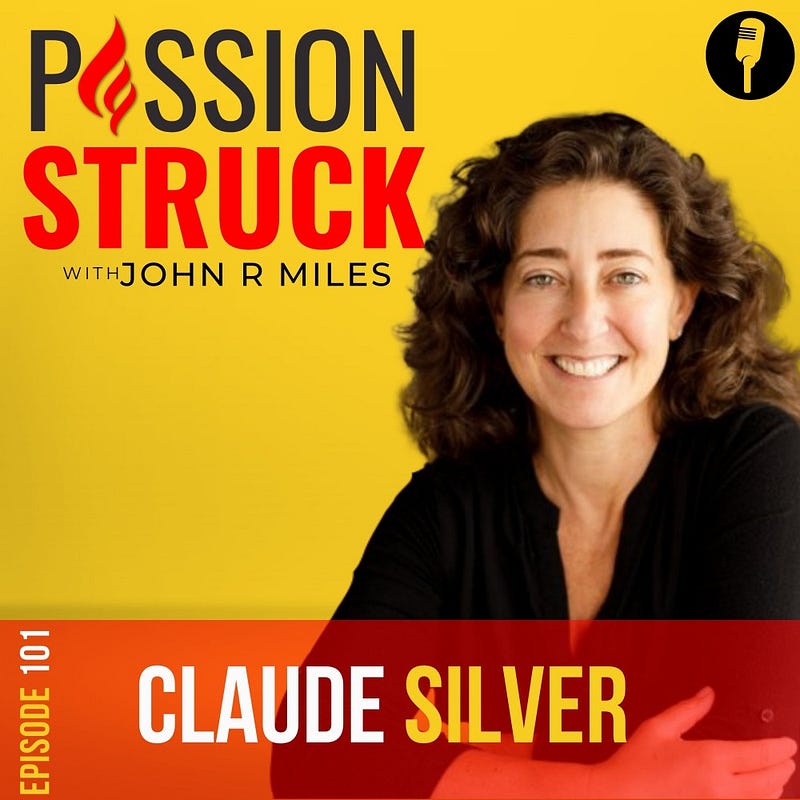
Talk about how things ought to be in all of our work environments. I know you’ll love hearing more about leading with heart in our interview.
What Kind of Leader is GaryVee?
Speaking of Gary Vaynerchuk — whom many of you know by his influencer persona GaryVee — I always wondered what he was like as a boss. Was the influencer GaryVee different from the Gary Vaynerchuk who showed up at work? I was able to ask both Claude and Adam Posner, previously his account director, this question.
I think you might be surprised by what they both have to say.
Why Your Work Environment Impacts your Growth
In my solo episode this week I dive even deeper into why the work environment impacts your growth. I unpack the social multiplier effect, how it affects personal performance, and why mirror neurons matter.
What the heck is a mirror neuron? They’re tiny neurological structures that fire both when we perceive actions and when we perform them; they provide deep insight into the true social nature of the brain.
Upcoming Episodes
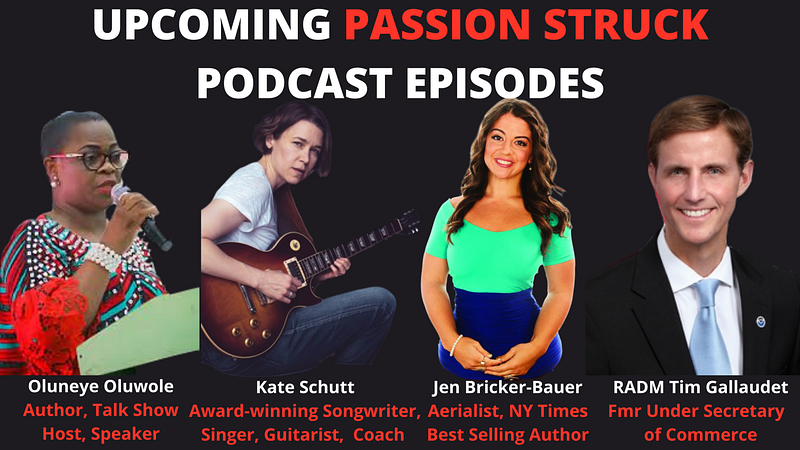
I also preview the fantastic lineup of guests we have coming up over the next few months. There are some big ones here…..not going to announce them all yet, but here are some of the ones coming up: