
How Covid-19 Has Presented An Opportunity for Healthier Eating
The Benefits Can Last Long After The Pandemic
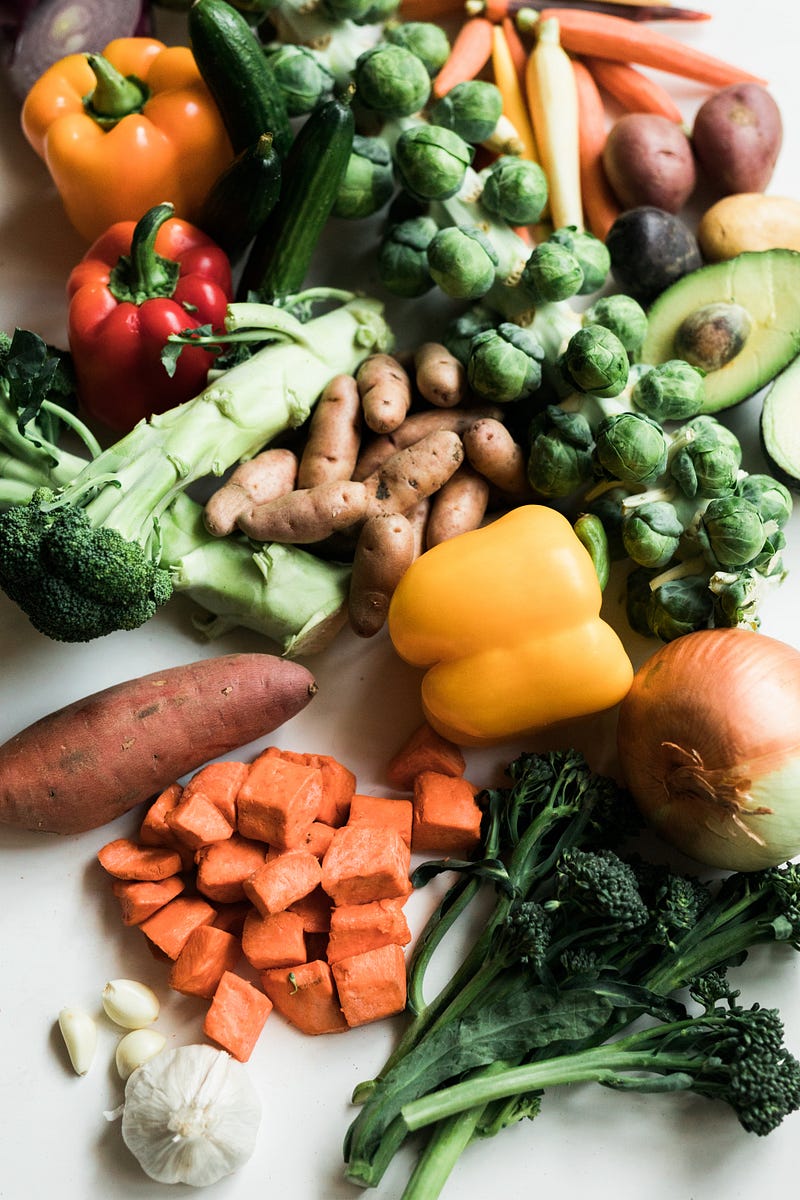
Covid-19 forced many people to change their eating habits. According to International Food Information Council, nearly four in every five consumers claim that the pandemic changed their food habits, forcing them to avoid restaurants and other ready food sources. So, they are now shopping, cooking, eating, and even thinking differently.
Over 60 percent of the people who participated in the International Food Information Council survey stated that they were now cooking at home more often. Even though some claimed that they were snacking more than they did before the pandemic, a high percentage claimed that they were eating healthier than they did before the pandemic.
Here is how Covid-19 has influenced healthier eating.
1) Preference for Food Cooked at Home
Restaurants and other food establishments were closed in most places, particularly during the Covid-19 influenced lockdowns. Whether it was by compulsion or by choice, people shifted to home-cooked meals as opposed to ordering food online or eating out. For various reasons, around 60 percent of all consumers from different parts of the world reported cooking more at home.
In the pre-Covid-19 world, consumption of ready-to-eat processed foods and eating out was the norm, thanks to the convenience factor and lack of time. Lockdowns changed this psyche of people, particularly the young people, who started learning new baking and cooking skills. Actually, their meals have changed today.
Social media also played an important role in the promotion of healthy eating and home cooking. Cooking tutorials on several platforms like YouTube and Facebook helped people, including those with non-existent cooking skills, to awaken their inner skills.
Social media platforms like Instagram and Facebook were full of videos and pictures of new chefs trying new recipes. That promoted the practice of preparing meals at home. Preparing meals at home might continue for many years.
2) People Adopted Healthier Eating Habits and Started Focusing on Food Safety
Immunity and good health are dependent on food and lifestyle choices. For that reason, health experts encouraged people to change their eating habits and change their lifestyle to stay safe from Covid-19.
They claimed that unbalanced diets place people at a higher risk of contracting the coronavirus. That alone forced some people to choose their recipe ingredients wisely.
Most people started using home remedies to improve their immunity and consuming more fruits and vegetables. They also reduced the consumption of sugar, fried foods, and salt. The International Food Information Council’s survey also showed that many people are now turning to plant proteins.
The survey, which involved 1,000 US adults, showed that most Americans 4 in every 10 Americans felt that burgers made from plant materials were healthier than those made from ground beef. And because most people rarely read product labels, Most people in India also avoided meat due to fear that the animals might be the virus-carrying hosts.
Many food blogs, both pre-existing and those started during the covid-19 lockdowns, promoted the use of local ingredients and immunity-boosting recipes. They encouraged people to use fresh ingredients to ensure better health, especially for vulnerable people.
Furthermore, health experts encouraged people to focus on food safety. As a result, the demand for organic produce and natural food items increased.
3) Reduced Consumption of Fast Foods
Lockdowns reduced the consumption of fast foods. Moreover, most of the people who consumed fast foods during the lockdowns had to prepare them at home.
While no fast food is healthy, fast foods prepared at home are more nutritious than the processed foods.
After the lockdowns, most online food delivery and fast-food chain stores resumed business. Restaurants changed their marketing strategies and are now focusing more on safe food handling and convenience.
Actually, they are minimizing human food contact. Home food delivery also saw a big boost because many people were missing the eating-out experience and the home deliveries were the only viable option.
4) Increased Reliance on Herbs and Spices
The lack of vaccination and cure for Covid-19 forced people to look at the popular traditional remedies. Many people started consuming age-old recipes, particularly those made of immunity-boosting spice sand herbs. Most of the individuals who used the recipes claimed that they wanted to boost their immunity. Strong immunity was proved essential in the fight against the coronavirus.
For example, in India, the Ministry of Ayush, which promotes Complementary and Alternative Medicine, released a set of guidelines to help people boost their immunity through Ayurvedic principles. In addition to Yoga, they recommended several Ayurvedic recipes like kadha.
Kadha is a herbal tea made of cinnamon, basil, black pepper, dry ginger, black pepper, and golden milk. They also encouraged the use of garlic, coriander, cumin, and turmeric in cooking. That might have influenced people from other parts of the world to start using more spices.
Will the Trends Continue Post Covid-19?
Covid-19 presented a good opportunity for healthy eating. It reduced mindless social eating and reduced the number of operating restaurants and other ready food outlets. People are now focusing more on cooking their meals. They are snacking less and they are more conscious about the food ingredients they choose.
Further, the fact that most Americans are on a tight budget means that they are more thoughtful of the products they purchase. But will people continue with this beneficial trend beyond the Covid-19 pandemic?
A resurgence in bad eating habits might be witnessed, especially in the urban centers, as life returns to normalcy.
However, you must carry the healthy habits you adopted during the Covid-19 pandemic-influenced lockdown forward.
If you have already started practicing home cooking, you should continue doing that. Eat out occasionally instead of doing it regularly. Continue practicing the cooking skills you learned during the lockdown, including after the pandemic subsides.
Conclusion
One of the effective prophylactic measures against Covid-19 infection is a properly balanced diet. People might continue benefiting from the eating habits they adopted during the Covid-19 lockdown. Covid-19 is among the biggest health and socio-economic crisis witnessed in more recent times. Actually, the pandemic affected all sectors and souls.
Eat well, wear a facemask and stay around six feet from other people.
Has Covid-19 changed your eating and culinary skills? I’ll love to hear about your experience.


