
How Consumer Choice is Changing the Beauty Industry
Can consumers really change the type of products that are produced?
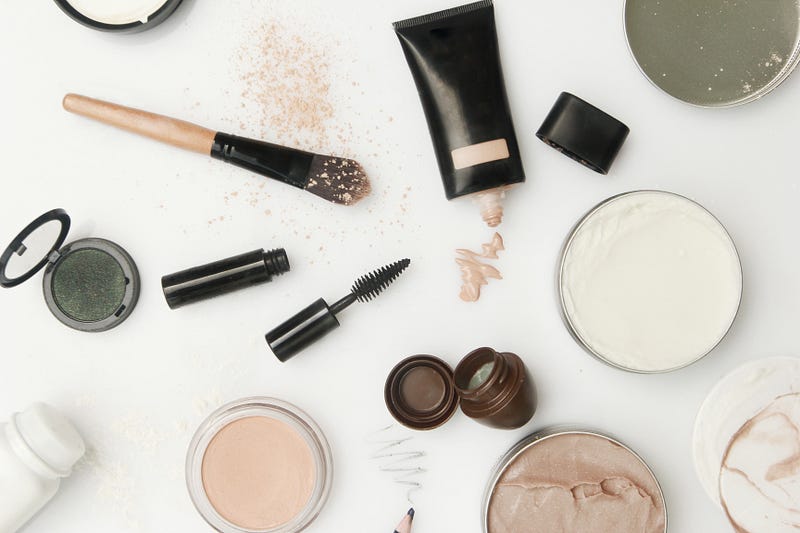
Consumer choice is an interesting element in regard to the media and the market; lines blur between the concept of the “free” market and how free consumers really are to choose the way they are consuming products. However, the system works in a way that the industry is constantly looking for opportunities for consumers to desire and rely upon their products.
When consumers decide that a product is not working in the way they desire, or if consumers begin to question the dependability of a brand name, those who make the products must react accordingly.
What’s the Big Deal?
In recent years, one of the biggest factors causing consumers to question their allegiance to brand names goes alongside the environmental movement toward safer products for not only the Earth but for our bodies as well.
Particularly in terms of beauty products, consumers have adopted a need to know what is in the products that are being sold.
Contributions to this newfound awareness include, but are not limited to:
- Increased transparency that the beauty industry is not government-regulated in terms of what chemicals or ingredients need to be avoided in products
- Research shows the use of low-grade chemicals in products that, when used throughout a person’s lifetime, have been proven to cause unfavorable health effects.
Increased Awareness, Increased Demand for Change
Studies have shown that consumers who have a higher consciousness of health and the environment are more likely to choose products that explicitly state that they are “clean” or “natural,” especially when compared to those with low consciousness.
Preventing avoidable health risks, while reducing bad effects on the environment seems to be a topic on the minds of individuals worldwide; meanwhile, corporations struggle to find the balance between providing cheap, reliable products for the largest profit and satisfying their consumers’ need for eco-friendliness.
As the collective will of individuals causes industries to reconsider their marketing strategies and overall change how industries make their products, I wondered how these impacts have affected the beauty industry in recent years. I wanted to determine if the industry is impacted by consumer choice, or rather if the industry tends to follow what are the most popular values that become selling points in society at particular moments in time.
The Impact of Influencers
In order to tie consumer choice with the recent Clean Beauty Movement, I studied three episodes of clean beauty influencer and founder of her own lifestyle brand, Gwyneth Paltrow’s, Goop podcast.
In this podcast, Paltrow, goop beauty editors, and often, on-brand celebrity guests discuss the importance of clean beauty and inform listeners of the dangers hidden in many popular products.
Through these conversations, I will explore how the education provided by celebrity endorsers and other influencers in the field supplement the arguments made in the podcast to encourage listeners to follow similar purchasing patterns.
The authority from the influencers in the podcast, as well as increased health and environmental consciousness, allows the consumer to feel the importance of switching to clean beauty products. Thus, the consumers can prompt the market to change, in order for corporations to satisfy these demands while maintaining an ethical appearance for their brand.
The Conscious Consumer
With the increasing excess of information that is becoming available to the public consumer, more individuals are prioritizing purchasing beauty products that guarantee safe ingredients, thus making conscious choices to avoid brands or products that do not fall under the desired categories.
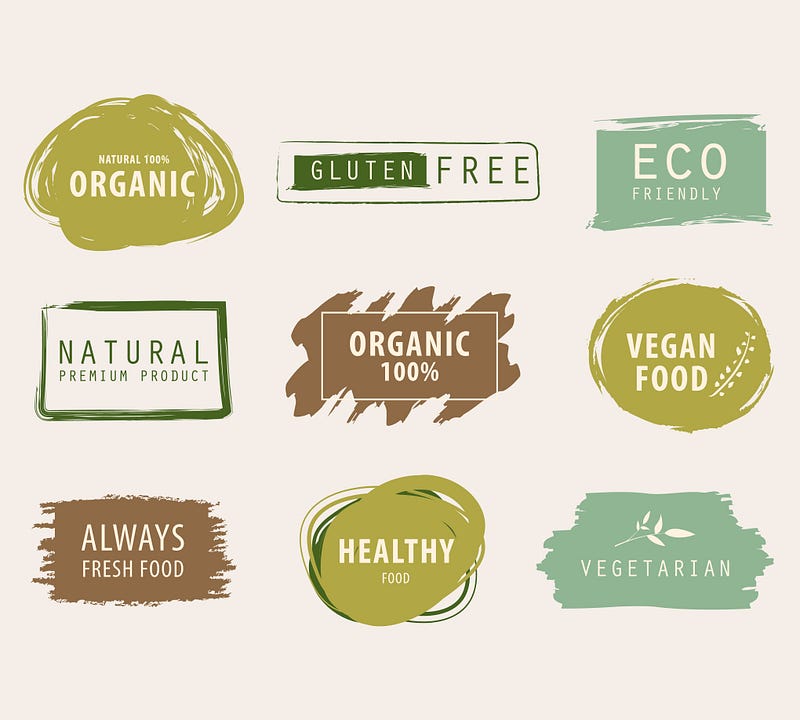
Specifically, within the industry that works to make the most profit from consumer sales, it is important to observe how consumers impact the products companies make.
In a desire to please the consumer, corporations will do whatever it takes to form new molds to fit the ever-changing wants of everyday individuals. As new information becomes available to the public, such as scientific evidence that a certain ingredient can be making people sick, these desires can change instantly, evoking a mass of people who will refuse to purchase products containing those ingredients.
This reaction can be detrimental to any company that has chosen to use these ingredients due to cost and efficiency, as switching ingredients can be expensive and harder to access, but the refusal to change with the desires of society can impact their profits even more.
However, the decisions companies make are still based on the wants of the consumer, as these decisions are impacted by making the trade-off that works best for them, while still satisfying the consumers, (and sometimes, avoiding a lawsuit).
Why Should Females Care About How Their Beauty Products Are Made?
The access to information that impacts consumer choice is correlated to the idea that an increase in health and environmental consciousness leads consumers to make healthier choices when purchasing products. According to a 2009 study by Kim and Sock, health and environmental consciousness are the most important pieces of female consumer decisions toward natural beauty products.
In the research, females who had higher levels of health and environmental awareness were more likely to prioritize purchasing natural beauty products than those with lower awareness.
Interestingly enough, the environmental consciousness proved to be more influential on the choices individuals made, rather than health.
However, with new information being studied every day, health is becoming a prominent reason to make the switch to clean beauty in the more recent months.
The idea that becoming more knowledgeable about one’s health and the environment is related to the choices individuals make for themselves and their families, is also often referred to as “conscious consumerism.”
When consumers are conscious about the purchases they make, brands that do not meet the consumer’s requirements will eventually suffer. The ability for consumers to gain this type of consciousness comes most often from the media, but the concerns that develop are often dictated by the type of news that is available to them.
Who Sets the Agenda?
In contemporary society, some of the most reoccurring and prominent topics of media feeds are based on personal health and how to deal with the effects of climate change.
Through agenda-setting, these topics are driving individuals to become increasingly conscious about the environment, focusing more on protecting our rapidly disappearing wildlife and ecosystems.
Due to the extent of the exposure to beauty advertisements, media gatekeepers have the ability to determine the agenda on social media platforms.
On the other hand, people are developing illnesses and autoimmune diseases that we have never seen on a level this drastic ever before, so health is becoming a major topic of discussion in terms of the products that are used near our bodies.
Some conditions that may be impacted by the endocrine-disrupting chemicals in beauty products include:
- Breast cancer
- Alzheimer’s
- ADHD
- Asthma
- Allergies
- Early puberty
- Fertility Issues
- Thyroid Issues / Hashimoto’s Disease
One specific development that is coming onto the scene lately has to do particularly with African-American women, who are going through puberty at earlier ages each year, and experiencing hormonal changes, especially in women who frequently wear makeup and use beauty products that are not deemed “clean.”
Through social media, the health and environmental scientific research that comes out becomes accessible to the public faster than ever before, which allows for those using this technology to become more aware than compared to past years.
With the help of platforms such as Twitter and podcasting, individuals can seek out the information they want to learn more about, but also can share information that they learn with their own followers.
By establishing the agenda of what users should prioritize, media amplifies consumer consciousness. As information becomes available and shared rapidly across many different demographics, a mass of consumers can make instantaneous decisions about the products they choose to purchase.
What Can We Do About It?
In terms of increasing and instantaneous exposure to environmental and health data, the Environmental Working Group (EWG) has come up with an application that consumers can download that will scan their products and give them a score depending on how “clean” they are.
On this scale from 1–10 (1 being a perfect score, 10 being the worst), the app scans the product and brings up the list of ingredients, and calculates a score depending on how safe these ingredients are scientifically proven to be.
Common ingredients to watch out for:
- Sulfates
- Phosphates
- Formaldehyde
- Parabens
- Anything labeled ‘fragrance’
Under United States regulation, companies are legally allowed to use these ingredients, sometimes camouflaging the cocktail of chemicals under the term “fragrance” which hosts several various toxic combinations under this guise.
A number of the ingredients used in beauty products are also known to be disrupting certain hormones in the body, which is perhaps why African-American women are experiencing earlier puberty and menopause, alongside frequent use of beauty products.
Due to the popularity of this app, the average consumer can access this information as long as they have access to a computer or smartphone. As a result, more consumers are choosing what to purchase based on EWG scores, and companies are reacting in turn.
How EWG Can Help Increase Awareness
As more consumers are becoming attentive to EWG’s smartphone app and website, companies are noticing the impacts this information has on product sales, with many turning to EWG themselves, to find out what they can do to improve their scores.
In a way, EWG is agenda-setting for their users, by telling them which products are dangerous and to avoid. Many consumers have had no previous concern or have ever felt the need to be concerned about what was in their beauty products up until recently.
The fact that the Environmental Working Group is a not-for-profit organization that is not affiliated with the government, but rather chooses to make this information publicly available to further consumer consciousness is, in fact, one of the ways they work to set the agenda of average individuals.
EWG focuses on both environmental and health consciousness to shape the way consumers make decisions, by stating these facts that impact both personal health, but also the environment as a whole, by clearly describing the ways the ingredients affect both.
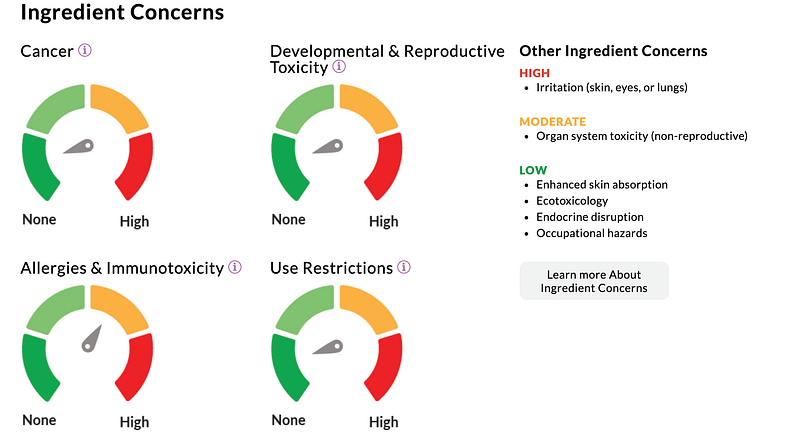
As aforementioned, consumer consciousness is one of the top ways that consumers can impact industry change, so the implementation of organizations such as EWG can raise awareness in a way that can make a significant difference in the way people consume products.
When Consumer Choice Leads to Law Change
Influencers can also be the source of lawmaking and regulation changing, due to their ability to enact such a large reaction to public viewers, but also due to their networking on the higher social level.
Not only can these important individuals take action into their own hands by arranging (usually publicly) to work with political leaders to enact change, but they can also encourage their audience to take steps such as calling legislators to enable law change. Due to their superior social platform, celebrities that choose to endorse causes and encourage their audiences to do the same can be extremely impactful on legislation altogether.
As a result, consumers can undermine the corporations by going over their heads and potentially make certain industry-practices illegal. Law change is perhaps one of the most effective ways to get corporations to change their harmful practices, which can be enabled through public mobilization.
However, corporations can decide to make these suggested changes in their products for other reasons, such as ethical or moral responsibilities, rather than to specifically appeal to buyers.
Consumer Decisions Make a Difference
In order to maintain a successful business and a desirable reputation, corporations need to be seen as ethical and dependable to their customers. Ethical Purchase Behavior Theory explains that people in developed countries, especially the United States, like the idea behind competitive capitalism.
The individuals in favor of competitive capitalism make the argument that they have a say in the types of products that corporations make and sell The ideology behind the free market and capitalism is that people have a choice in the products they purchase and that companies have to react to changes in consumer desires as they occur.
Therefore, consumers like to feel as though the choices they make within their society have a significant impact on the way corporations choose to create their products.
In the case of the Clean Beauty Movement, this theory seems to be accurate. Perhaps this is because corporations want to be made to look ethical; for instance, it does not look good if people are exposing their creation strategies or boycotting their products.
The ultimate goal of corporations is to gain positive feedback on their products and make their consumers feel that purchases from their company is a guarantee of consistency, quality, and dependability.
As a result, corporations are usually willing to make changes that will affect the way the general population views their products. For instance, many companies who received a high EWG score have since contacted the organization to see what they can do better to improve their score.
Some companies even contact their audience directly, via social media, in order to see what changes the consumer would like to see taken into consideration.
The impact of media on the consumer climate is one that is substantial and crucial, as both consumers and corporations could not be successful without one another.
Conscious awareness of social movements of the times, such as the Clean Beauty Movement and the Environmental Movement, allow industries to react in ways that benefit the consumer and the corporation simultaneously.
Through social movements, individuals are enabled to understand how to make the most beneficial purchase, as well as grasp how industries use these movements to their financial advantage.
Through agenda-setting in the Goop podcasts, consumer health, and environmental consciousness are elevated, which studies have shown often leads to more consumption of clean beauty products.
As social movements urge consumers to think differently about the products they are consuming, the market must also adjust to keep up with consumer demand and make a profit.