avatarMediaVSReality

Free AI web copilot to create summaries, insights and extended knowledge, download it at here

2045

Abstract

ike this reaches deep into our emotional brain and creates a link between Coca-Cola and positive emotions.</i></p><p id="3516">The soundtrack of the commercial rings out the tagline <i>“Have a Coke and a smile!”. </i>On top of that, almost every single scene follows themes of summer and hot weather. Every single aspect of the commercial is geared towards building an association in your mind between Coca-Cola and a feeling of positivity.</p><p id="7c3a">You see, commercials of the past tried to logically explain the features of a product. They would say: “Coca-cola tastes delicious! And it’s only 99c! Very affordable for you and your family!”.</p><p id="23e2">But by the 1970’s, marketers had learned an important rule of marketing: <b>Show don’t tell. </b>Essentially, they realised that human beings are not rational.</p><blockquote id="8427"><p>Man is not a rational animal; he is a rationalizing animal — <i>Robert Heinlein</i>.</p></blockquote><p id="8720"><i>But Advertising doesn’t work on me!</i> I hear you say.</p><p id="42b8">After being exposed to countless commercials associating Coca-Cola with positive emotions in your mind, you will be more likely to choose Coca-Cola above other similar drinks.</p><p id="808d">When you’re stood in front of the drinks fridge and you’re choosing between similar products, you may see the red Coca-Cola and simply “feel” as though it’s the right choice.</p><p id="93f6">Why? Because your subconscious brain believes that drinking Coca-Cola will lead to feelings of positivity and happy emotions. Why? <b>Because while watching the commercial, it saw the red Coca-cola logo at the same time as feeling positive emotions. </b>And so it created an association between them.</p><p id="6c04">You may believe that you chose Coca-Cola “randomly” or because “you just felt like it”, but in truth the decision had already been affected in your subconscious mind. After making the decision emotionally, you then rationalised after the fact with a a logical explanation that seemed to make sense to

Options

you.</p><p id="58b6">Yes, the taste of the drink is certainly a factor. Yes the price also matters. But the Coca-cola commercials you have seen throughout your life make an important impact on which drink you decide to buy.</p><p id="cfaf">Coca-cola has positioned itself as an essential part of our culture. Each of their commercials places the drink between our most positive human interactions.</p><p id="d1f2">Coca-cola is just Coca-cola. It’s so deep in our culture that nobody thinks twice about it.</p><p id="1ad5">But in reality, what is Coca-cola? <b>A strange, brown, sugar-filled beverage that has negative impacts on our health.</b></p><p id="fd1b">If only we could market healthy products as effectively as Coca-cola is marketed.</p><p id="2f58">What would happen if we replaced Coca-cola with carrot juice?</p><figure id="fa4d"><img src="https://cdn-images-1.readmedium.com/v2/resize:fit:800/1*LKG954UgZqlv-jiBA1rwDA.png"><figcaption>If only it was carrot juice that embedded itself as the “default” drink instead of Coca-Cola</figcaption></figure><p id="864d">Should junk food manufactures be allowed to manipulate our emotional brains with our commercials? <b>My controversial opinion is: f**k no.</b></p><p id="55cd">In the midst of an insane obesity epidemic, how does it make sense to allow multi-billion dollar corporations to embed themselves in our minds? Why do we continue to allow junk food corporations to advertise to entire populations, further reducing the overall health of the nation?</p><p id="c119">Just as we look back the smoking commercials of the past and think to ourselves <i>“how was that allowed?!”, </i>my prediction is that in 50 years we will look back on Coca-cola commercials and think the exact same thing.</p><p id="de31"><b><i>Hold on.</i></b><i> Do you consider yourself a creative? Looking for a side-hustle? Medium is perfect way to make some extra cash. Click <a href="https://medium.com/@mediavsreality/membership"><b>here</b></a><b> </b>to start earning immediately.</i></p></article></body>

How Coca-Cola Embedded Themselves In Our Culture

Analysing A Coca-Cola Commercial

Pixabay

How did this sugary drink become such centre-piece of Western culture?

How did Coca-cola become the “default” drink of choice for such a long time? Why do we continue to drink it around the world in such high numbers?

We know it’s unhealthy. We know it ages our skin. But we keep drinking it. Why?

Is it simply because we enjoy the taste? Is it solely about “mouth pleasure”? No. It’s more than that. This is about a hugely successful marketing campaign.
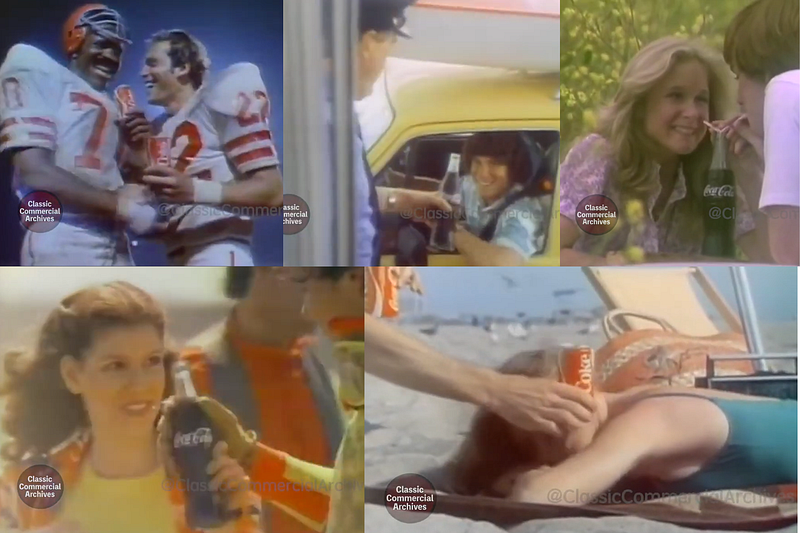
Coca Cola TV commercial from the 1970s. 1. Two NFL players share cans of Coke. 2. A driver passes a can of Coke to a toll booth worker 3. A couple share a bottle of Coke 4. A girl hands a boy a bottle of Coke 5. A man hands a sunbathing woman a can of Coke. (Courtesy of Classic Commercial Archives)

This particular 1970’s Coca Cola commercial consists of a series of wholesome human interactions. Two football players celebrate together. A man smiles at a toll-booth worker. A cute couple share a romantic moment together A girl smiles at a boy. A man brings a sunbathing girl a gift.

These are beautiful and positive moments of humanity that we all enjoy seeing. And that’s why Coca-Cola have inserted their product into every one of these moments.

A commercial like this reaches deep into our emotional brain and creates a link between Coca-Cola and positive emotions.

The soundtrack of the commercial rings out the tagline “Have a Coke and a smile!”. On top of that, almost every single scene follows themes of summer and hot weather. Every single aspect of the commercial is geared towards building an association in your mind between Coca-Cola and a feeling of positivity.

You see, commercials of the past tried to logically explain the features of a product. They would say: “Coca-cola tastes delicious! And it’s only 99c! Very affordable for you and your family!”.

But by the 1970’s, marketers had learned an important rule of marketing: Show don’t tell. Essentially, they realised that human beings are not rational.

Man is not a rational animal; he is a rationalizing animal — Robert Heinlein.

But Advertising doesn’t work on me! I hear you say.

After being exposed to countless commercials associating Coca-Cola with positive emotions in your mind, you will be more likely to choose Coca-Cola above other similar drinks.

When you’re stood in front of the drinks fridge and you’re choosing between similar products, you may see the red Coca-Cola and simply “feel” as though it’s the right choice.

Why? Because your subconscious brain believes that drinking Coca-Cola will lead to feelings of positivity and happy emotions. Why? Because while watching the commercial, it saw the red Coca-cola logo at the same time as feeling positive emotions. And so it created an association between them.

You may believe that you chose Coca-Cola “randomly” or because “you just felt like it”, but in truth the decision had already been affected in your subconscious mind. After making the decision emotionally, you then rationalised after the fact with a a logical explanation that seemed to make sense to you.

Yes, the taste of the drink is certainly a factor. Yes the price also matters. But the Coca-cola commercials you have seen throughout your life make an important impact on which drink you decide to buy.

Coca-cola has positioned itself as an essential part of our culture. Each of their commercials places the drink between our most positive human interactions.

Coca-cola is just Coca-cola. It’s so deep in our culture that nobody thinks twice about it.

But in reality, what is Coca-cola? A strange, brown, sugar-filled beverage that has negative impacts on our health.

If only we could market healthy products as effectively as Coca-cola is marketed.

What would happen if we replaced Coca-cola with carrot juice?
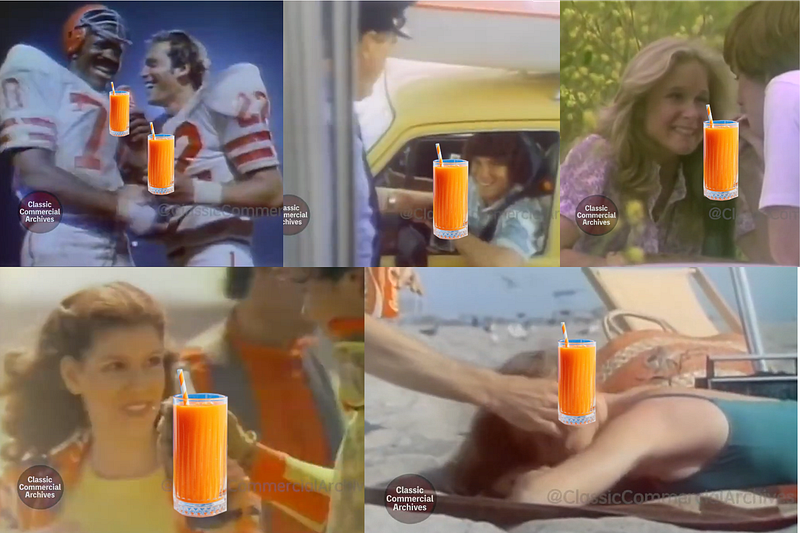
If only it was carrot juice that embedded itself as the “default” drink instead of Coca-Cola

Should junk food manufactures be allowed to manipulate our emotional brains with our commercials? My controversial opinion is: f**k no.

In the midst of an insane obesity epidemic, how does it make sense to allow multi-billion dollar corporations to embed themselves in our minds? Why do we continue to allow junk food corporations to advertise to entire populations, further reducing the overall health of the nation?

Just as we look back the smoking commercials of the past and think to ourselves “how was that allowed?!”, my prediction is that in 50 years we will look back on Coca-cola commercials and think the exact same thing.

Hold on. Do you consider yourself a creative? Looking for a side-hustle? Medium is perfect way to make some extra cash. Click here to start earning immediately.

Marketing
Advertising
Health
Weight Loss
Coca Cola
Recommended from ReadMedium