
How Chronic Illness Has Changed My Everyday Life
Looking at the areas of life that have changed since diagnosis.
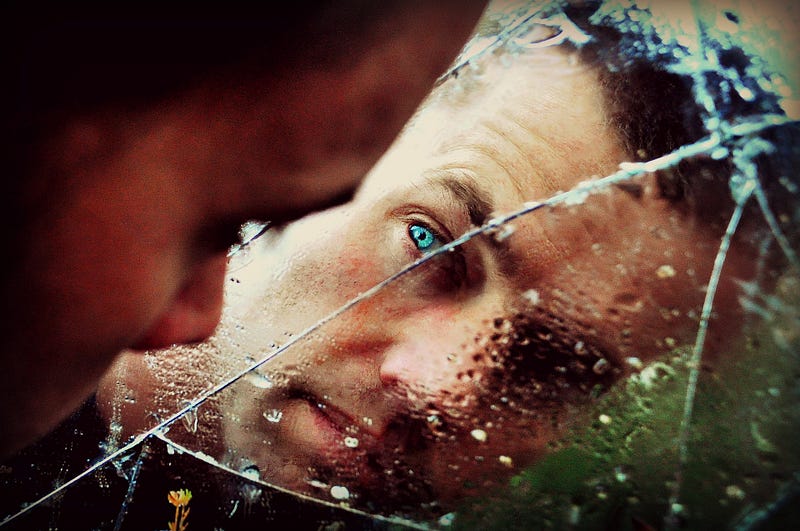
The morning alarm goes off sending waves of agony through your body. It’s not loud, but you feel every sound vibration.
Before you open your eyes, you know what kind of day it will be. Your head is throbbing, and widespread pain is making it impossible to lie in one position for longer than a few minutes.
With chronic illness, this is a typical morning.
Living with constant pain and troubling physical symptoms takes its toll. Here are a few ways chronic illness changed my life.
Chronically Ill
Let me start by telling you a little about me. I have enough health conditions to fill a bingo card, but the two most troubling are bipolar disorder and Familial Mediterranean Fever (FMF). Having both a physical and mental illness is like being attacked from all sides.
If you’ve never heard of FMF, it’s an auto-inflammatory disorder identified by a gene mutation. It causes frequent fevers, body pain, fatigue, and dizziness.
Most patients get relief from their symptoms from daily medication, but for a small portion of us, the “lucky” ones, the meds only reduce the symptoms. We still feel them every day.
Having a chronic illness is a lot like having the flu. All of us have had the flu. You know that feverish, your-whole-body-hurts, too-weak-to-get-out-of-bed, feel-like-you’re-going-to-hurl feeling.
Now imagine feeling that way every day.
The struggle inevitably changes all areas of your life.
Relationships
Before chronic illness took over my life, I was a good friend. Dare I say, a great friend.
If you needed a listening ear or a shoulder to cry on, I was your man. I was the person you could call to help you move, take you to your appointments, and bury the bodies.
Well, maybe not the last one, but you could still call me and we’d figure something out.
I loved my friends and family and spent all my energy taking care of them.
Then FMF took over. Suddenly, I was too tired to run anywhere.
Driving became a struggle because of constant dizziness, and any physical exertion left me in bed for days. And as for burying that body? My only skill now is to point to a good spot.
I have the time to do things, but fatigue leaves me with nothing. Even talking on the telephone is difficult.
One friend tells me frequently, “I can tell you’re fading.” Try as I may, I can’t hide the fatigue or the way my voice gives out when I’m tired. The constant need to hibernate has hurt all of my relationships.
Social Life
Before FMF, I was a social animal. The gift of bipolar is (or was) frequent mania, so in my teens and 20s, I didn’t have to sleep much. I filled all my free time with friends.
As time went on, even the manic days were a struggle to keep going. There’s nothing like being stuck in bed with a mind that’s ready to run ten marathons, all at the same time.
“No” became the word I said without thinking. Dinner plans, house parties, weekend road trips — they all stopped. FMF would attack, and there was nothing I could do but stay home and fight the enemy.
If I’m still a social animal, it’s more of a tortoise these days rather than the Tasmanian Devil I used to be.

Perfectionism
I’ll freely admit it. I’m a perfectionist. I want everything done the right way — and yes, there is always a right way — and I want it done perfectly.
Once upon a time, this perfect idealism controlled every area of my life. From cleaning my house to caring for my yard, from work performance to romantic endeavors, my goal was always perfection.
Chronic illness has slowly stripped that away from me.
Over time, I’ve gone from, “The bathroom has to be spotless” to “Well, at least it’s cleaner than it was.” Things are no longer perfect but usually just good enough. At times, they are only passable.
It kills me inside, especially to see dust so thick you could write War and Peace in it, but it’s my current reality. Sometimes all you can do is close your eyes and think of England.
Work Life
I have never been career-driven. For me, work has always been a means to an end, the necessary evil that funded the life I wanted to live.
Even so, I’ve always striven to be the best employee I could be. I’m a team player and the one you can count on with a last-minute deadline or a mess to clean up.
Chronic illness has damaged my work world. I’m still a valuable employee and do quality work, but there are days when I’m sluggish and it takes my brain twice as long to do simple tasks.
What I hate the most is that work now takes all my energy. Every valuable part of me goes into that necessary evil that now pays for doctor’s visits and medication. I spend weekends resting, rather than living, all so I can find the strength to work the following Monday.
Finding What’s Important
This story probably sounds like having a chronic illness is all doom and gloom. It feels that way some days, but it’s not always the depths of despair.
One thing chronic illness teaches you is how to value the important things. I may not have all the friends I once did, but the ones I have left are priceless gems.
My social life may not include all the travel and dining I once enjoyed, but the times I go out now are that much better because it’s a treat rather than an everyday occurrence.
Nothing in my life is perfect now, but understanding that has made me more empathic and compassionate. I know now that you can’t always be perfect, so it’s not something I expect from myself or others.
I still might think there’s a right way to do things, but I can also see there are other ways to get the job done.
And as for work? Well, my attitude toward work hasn’t changed. It is and always will be a necessary evil. Chronic illness has taught me how to pace myself so I can make it through a whole workday or week.
Having a chronic illness will change you, there’s no denying it. Life doesn’t end, though, and you can learn valuable lessons along the way.
Until next time, keep fighting.
Sign up for my FREE Sunday All Things Bipolar Newsletter (off-site link) and I’ll send you a few downloadable gifts to improve your life.


