
HOW CAN I HELP MY CHILD WHO IS AFRAID OF THE DARK?
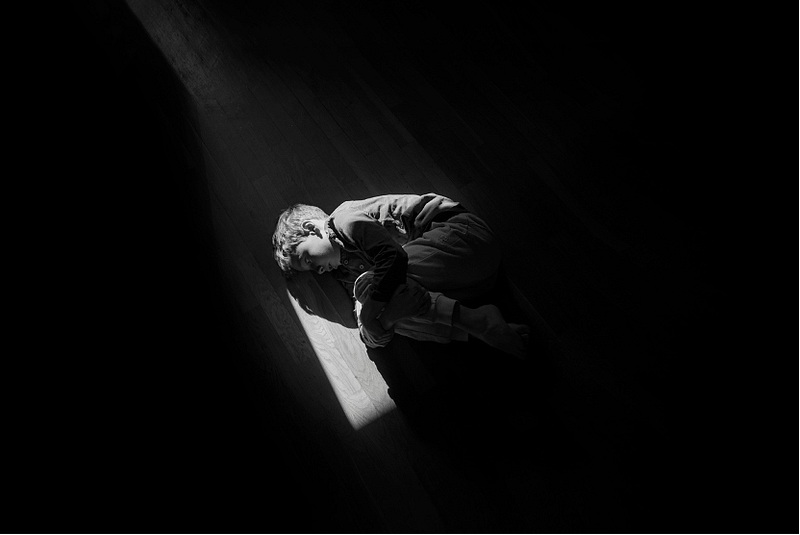
In addition to its extraordinary sensitivity, childhood is a period of remarkable learning experiences. Children’s dread of the dark during this period presents a chance for parents to foster a mutually trusting environment with their offspring. To help their children cope with this fear, parents must learn to recognize specific worries and modify their methods according to the unique needs of each child. As a result, conversation becomes even more crucial in enabling children to openly voice their fears. By this method, parents can help their kids comprehend the reasons behind their fears and encourage the creation of good coping mechanisms.
In order to effectively manage this emotion, parents’ involvement and dedication are necessary. In addition to providing a chance to help the child conquer their concerns, this process helps to fortify the love and trust that binds parents and children together. It is essential to use a kind and open-minded attitude while addressing our child’s fear of the dark. As the first step towards understanding, attentively listening to our child’s worries is a crucial component of the communication process. Simultaneously, expressing anxieties with compassion and empathy fosters an honest conversation that builds trust between parents and children.
Furthermore, overcoming fear requires establishing a secure environment. Bright night lighting or the presence of cherished items create a cozy and inviting atmosphere that gives the child a sense of security and emphasizes the importance of addressing their worries. By employing a combination of pragmatic, imaginative resolutions, and compassionate, perceptive dialogue, we provide a structure that permits the kid to freely articulate his anxieties and obtain assistance, thus enhancing his psychological and emotional welfare. The cornerstone for the successful control of the child’s fear is the parents’ active involvement. Apart from engaging in a fundamental exchange of ideas and emotions with the child, it is imperative to provide a communication-friendly environment. In addition to addressing specific phobias, this technique aims to highlight the child’s unique individuality and establish a sound psycho-social framework.
In the end, creating a foundation of trust is largely dependent on love and understanding. These emotional ties show how the environment can help a child not only cope with their worries but also grow in confidence and ability to tackle obstacles and grow up safely and contentedly.


