
HOW CAN I ENCOURAGE MY CHILD TO SHARE WITH OTHER KIDS?
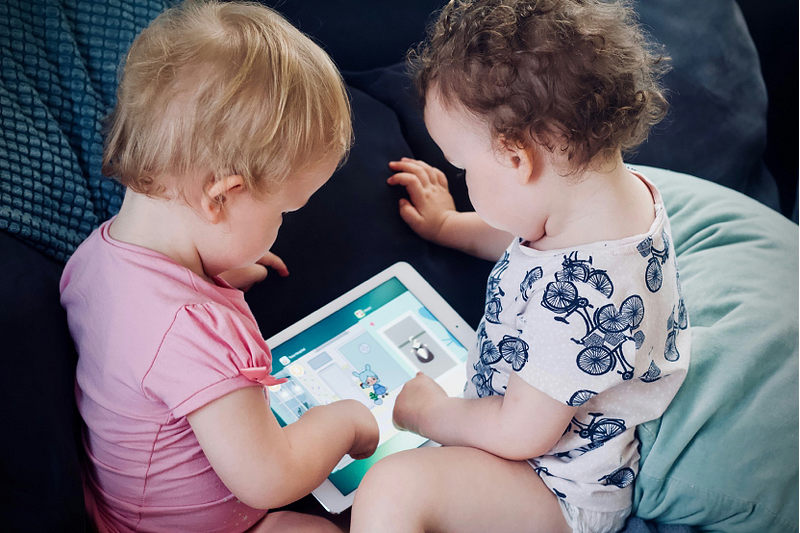
Sharing is a crucial life skill that helps kids form social bonds and pick up core values like collaboration and respect for others. On the other hand, many parents find it difficult to encourage sharing with their kids. Adopting habits that will improve this ability is crucial.
Firstly, it is essential to understand that the foundation of teaching sharing is setting a good example. Parents need to live by this virtue every day. Give your youngster your full attention and time in addition to tangible items. Given that children learn best via practice and observation in daily life, sharing needs to become ingrained in their behavior before they begin to share.
Encourage your child to comprehend the sentimental value of the things you share as well. Describe the emotions they evoke and how sharing fosters social cohesiveness. The child will grow more perceptive to other people’s wants and emotions in this way. Make gaming scenarios that encourage sharing, such as cooperative and social games. Games that emphasize the value of pooling resources and cooperating to accomplish shared objectives are one example. The child will learn the value of teamwork as well as the delight of sharing in this way. It takes both words and deeds to strengthen this process. You may help your child develop social skills and emotional pleasure by providing an environment that values sharing.
Therefore, you’re providing your child with the life skills they’ll need by encouraging them to share. This skill helps him become a more well-rounded person and improves his social interactions. You may provide a warm environment that encourages sharing and socialization with other kids by setting a good example and using enjoyable activities.


