
How Bloggers Turn Into Businesses and Why It Matters
We’re going through phase 3 of the influencer economy
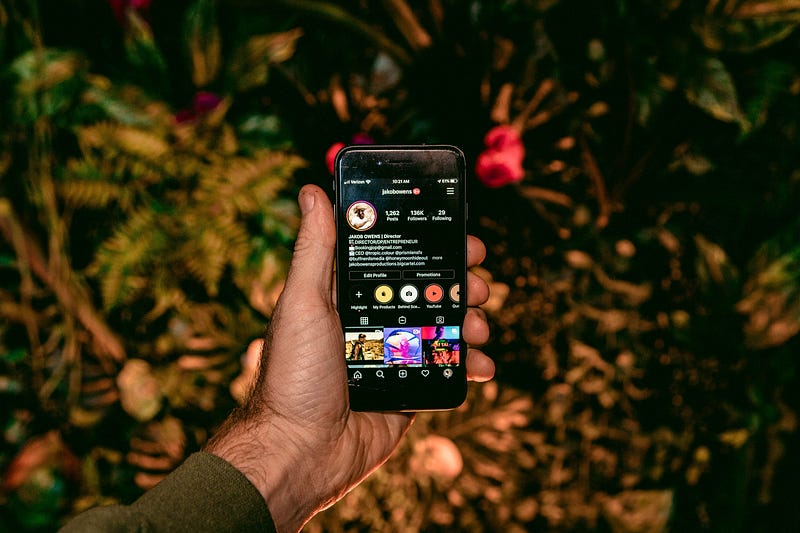
Kids used to want to become sports stars. DJs. Rappers. Astronauts. Ask any kid under 12 who she wants to be when she grows up, and you’ll hear: an influencer.
All of this hype around bloggers, influencers, and authority figures is signaling that we are in ‘Phase Three’ of the influencer economy: when the market and the tools are mature, and bloggers are becoming recognized as real businesses.
And it changes the world. Again.
Phase 1: The Birth of Platforms
In 2007–2012, we saw the birth of Instagram, iTunes, YouTube, as well as other platforms later on: Twitter, Medium.
Platforms (or marketplaces) invest heavily in their recommendation and curation algorithms. On platforms like Medium, this curation is done both by AI and humans.
This allows creators to easily find audiences and be heard.
You don’t need an initial audience to write, publish, be curated, seen and make money on Medium.
If you’re new to blogging, using these platforms is a great way to build initial exposure.
Once you build an audience on such a platform, creatives can transfer their audiences to their email list, diversify into other social media to expand their influence, and start making money.
That’s when phase two comes into play.
Phase 2: Influencer Marketing Emerges
Once brands realized that influencers are gaining power, and fast, they started paying them money to advertise their products and services.
At this stage, large influencers had the following assets in place:
- Reach. They had access to the audience.
- Trust. Their audience trusted what they had to say.
- Authority. People listen to what the influencer said and followed the advice.
All of these assets made influencer marketing extremely lucrative for brands. It was cheaper than direct, paid, or email marketing and more effective.
The mechanics are similar to that of any media outlet: you have an influencer’s reach, conversion, and click-through-rates, and you can easily track KPIs.
It was perfectly normal for an Instagram photo to cost $100,000+, and you could have two–four of those per week. Influencers turned into full-scale media businesses.
However, there are only so many products or brands an influencer can endorse.
As influencer marketing established itself, the demand for paid endorsements grew, the ad budgets shrank, and influencers noticed a pattern: with each paid post, they lose a chunk of their assets (audience/trust/authority).
Surely, there had to be another way to monetize their brand.
Phase 3: Influencers Become Businesses
This is the stage we are currently in.
Some people call it the “passion economy,” others start thinking of influencers as businesses that operate not just as media, but as full-scale service and product companies.
Large influencers (mostly those that were early to build audiences on Instagram and YouTube) realized that there were more interesting (and more effective!) ways to monetize their brands online than selling ads.
Hence came the merchandise, podcast licensing, book deals, and lately, SaaS, media, and product businesses on top of influencer brands.
One example of this would be Danielle Bernstein, who grew her Instagram account to several million followers, (“@weworewhat”), wrote a book, and launched a project management tool for creatives.
This third phase of the influencer economy is about to change the world.
A Blog Is a Platform
The example of Danielle shows that it almost doesn’t matter what you do — once you have an audience, you can utilize it to build anything on top. A blog, in this sense, is a platform.
Supply meets demand, and so we’ve lately seen the rise of services that help to further monetize the creator’s influence, such as:
- Podia — for online courses.
- Substack — for paid newsletters.
- Anchor — for podcasts (they also have features that help hosts make money off sponsorships).
Unlike marketplace platforms like Medium, YouTube, and Instagram — these tools are SaaS’s that require you to have an audience.
The right strategy for an aspiring influencer then would be to use platforms to build an audience and SaaS tools to monetize their brand.
And you don’t even need to have a lot of followers to be successful as a creator. Everyone has that friend on Instagram that somehow has 10,000 followers. \
A Blogger Is a Business
When I went to a Draper University entrepreneurship program a couple of years ago, I asked Tim Draper (the billionaire investor, founding father of Silicon Valley), what a business is.
He replied:
“A business is anything that has money coming in, and money coming out.”
In this sense, a blogger (not a blog) is a business and a cash generation machine.
You have money coming in — via revenue from merchandise, sponsorship, licensing, book deals, products, etcetera. And you have money going out — through investing in your brand and furthering your reach (which in turn, will increase the money you make).
Hence, you can pour money in via investments, and anticipate a clear ROI.
Let’s Buy Tim Ferriss!
Imagine what it would be like to invest in Tim Ferriss somewhere in 2016 when he was just starting his world-famous Tim Ferriss Show.
Or Joe Rogan a few years back, who is now more powerful (from a media standpoint) than CNN?
I don’t know about you, but I would love to have a percent of the Oprah Winfrey brand.
The third phase of the influencer economy turned bloggers into businesses. Hence — we can invest in them.
And if you think I am the only one who’s that crazy, you’re wrong.
Content Works by the Same Rules As Tech
Why do VCs like to invest in tech so much? It’s simple: tech has amazing ROI.
Any tech business has:
- A large investment up front to get the ball rolling.
- $0 per additional user maintenance.
In simple words: you can write a piece of software once, and have it distributed across the world at no cost.
Content and media work the same way.
You can invest in initial outreach, build a great-looking blog, buy equipment, and start producing high-quality books, blog posts, and podcasts.
It costs $0 for an additional follower to subscribe, and the ROI is infinite.
Naval Ravikant says:
“Content and tech are permissionless leverage. They are also the secret behind the new rich.”
Banks for Creators
At this moment in time, we don’t see many VCs run with checks in hand to Instagram bloggers. It’s still too early, but it’s happening.
Startups like Karat and Maveron (which already have more than a year of proven track record and seed funding) are building “banks for creators”. Like VCs with tech, these bank startups lend to creators (individuals) on a revenue-share agreement.
On the other side, we’ve got Podfund — a startup that writes checks up to $50,000 to emerging podcasters.
Imagine having that kind of unlimited creative freedom.
As a growing creator myself, I know how hard it is to build that initial audience. Even getting your first 1,000 followers on Medium might be extremely tough (it took me 150 written pieces to get there!)
As we go farther into the influencer economy, it’s going to get harder and harder to build your audience organically.
Having access to cash flow will allow hobby influencers to turn into serious full-scale businesses.
Not a Joke
Many people laugh when I tell them that influencers are “legit businesses.”
If you want to build an e-commerce business and operate it on your own (e.g., Amazon FBA), it seems fine to get a loan.
Amazon has made more millionaires over the past five years than any other opportunity in human history. And it’s mostly operated by one-man-shows or siblings from their garage.
But when you have someone who is creating content for a living, this (still) seems strange, risky, and scary to investors.
Imagine knowing that Amazon would be that big of an opportunity at the very beginning. The same is happening to the influencer economy today.
As we see more examples of people building their brands, careers, and companies completely from media, we’ll start treating bloggers as businesses (which they are).
It won’t even be funny anymore.


