avatarVarun Khadri

Free AI web copilot to create summaries, insights and extended knowledge, download it at here

4239

Abstract

n-images-1.readmedium.com/v2/resize:fit:800/1*F9cL8sbZ2DUjQvfMFetFfw.jpeg"><figcaption>Photo by <a href="https://unsplash.com/@e_sykes?utm_source=unsplash&amp;utm_medium=referral&amp;utm_content=creditCopyText">Ethan Sykes</a> on <a href="https://unsplash.com/s/photos/sad?utm_source=unsplash&amp;utm_medium=referral&amp;utm_content=creditCopyText">Unsplash</a></figcaption></figure><p id="402d">All those years of having my self-esteem be boosted by popularity also made it reliant on that.</p><p id="0a51">I hate to admit it but external validation, attention, and <a href="https://www.psychalive.org/fame-is-a-dangerous-drug-a-phenomenological-glimpse-of-celebrity/">popularity can be extremely addictive.</a></p><p id="e9ba">I was so used to it that years later today, I’m still in the process of getting over that addiction.</p><p id="1180">When you’re <a href="https://www.psychologytoday.com/us/blog/the-objective-leader/201506/do-you-have-external-validation-mental-model">so conditioned to external validation</a>, you start to define yourself by it.</p><p id="7ff1">My mind attached my self-worth to the amount of attention and the number of likes that I was getting.</p><p id="148d">But when I made a conscious choice to be done with that life and move away from the limelight, I started facing withdrawal symptoms.</p><p id="63ec">I started to feel bad about myself and my life because I no longer had external sources to validate me.</p><p id="4c79">I no longer had strangers boosting my ego and self-esteem.</p><p id="56a3">And my monkey brain inferred this as —</p><blockquote id="8f7e"><p>I’m a has-been who isn’t worthy of love and attention</p></blockquote><p id="d885">I was in a really bad place. And this is what put me on the path of self-improvement.</p><p id="614b">I understood that my self-esteem should be reliant on my actions and my actions alone.</p><p id="58fe">I had to rebuild my self-worth and self-image which were broken due to not getting all the perks of popularity anymore.</p><p id="aeac">I did this by improving myself and working on things that mattered to me.</p><p id="a5a3"><b>Lesson</b> — Determine your self-worth by the things you do. Valuable, meaningful things. Things like being a good person, working hard, helping people, and so on. Don’t let your self-image be too drastically influenced positively or negatively by what other people think of you.</p><h1 id="a593">Attaching too much importance to social media metrics</h1><figure id="1fa8"><img src="https://cdn-images-1.readmedium.com/v2/resize:fit:800/1*TI2lGxJ284DxnPCBFlzllw.jpeg"><figcaption>Photo by <a href="https://unsplash.com/@stereophototyp?utm_source=unsplash&amp;utm_medium=referral&amp;utm_content=creditCopyText">Sara Kurfeß</a> on <a href="https://unsplash.com/s/photos/followers?utm_source=unsplash&amp;utm_medium=referral&amp;utm_content=creditCopyText">Unsplash</a></figcaption></figure><p id="b0b2">All the compliments, fangirls, sweet comments, likes, and followers got to my head without even me realizing it.</p><p id="1d7a">I never even understood just how reliant I was on this social media stuff until I intentionally got rid of it.</p><p id="94ca">I permanently deleted my Facebook account which had thousands of “friends”, I removed thousands of followers from my Instagram (everyone whose name I didn’t recognize), and I uninstalled Ask.FM, Snapchat, and other social apps.</p><p id="541e">I got terribly lonely after this. This was because —</p><p id="440d"><a href="https://www.technologyreview.com/2015/06/30/167264/the-social-network-illusion-that-tricks-your-mind/"><b>Social media gives you the illusion</b></a><b> of having people when you really don’t.</b></p><p id="c5a9">How many of those removed followers or “friends” would come to my funeral? Not many.</p><p id="df0f">This led me to form a small circle of friends and learning to be happy with that.</p><p id="9b29">Today, I’m comfortable with being a very private person.</p><p id="62b8">But if I’m being honest, I do miss the vanity metrics sometimes.</p><p id="dd80">I’ll never again make every detail of my life public as I used to, but I do want to build a following again. But this time, for the right reasons.</p><p id="2953">This time

Options

I want to build an audience whom I can serve in my capacity as a writer.</p><p id="aa02">In my head, I know that <i>even</i> something like this that I’m so passionate about is slightly influenced by the addiction to social validation. But oh well, I still have some unlearning left to do.</p><p id="246a"><b>Lesson</b> — A large following means nothing if it’s not earned for the right reasons. Unless you’re a creator, social media metrics are extremely shallow and meaningless. They’re an illusion. Ask yourself, how many people who ‘like’ your posts would come to your help in an emergency?</p><h1 id="a6ca">The biggest way in which that phase messed me up — it made me have a perfectionist attitude towards myself</h1><figure id="2e45"><img src="https://cdn-images-1.readmedium.com/v2/resize:fit:800/1*QNNQVuuFKnr-7JAlCX07qA.jpeg"><figcaption>Photo by <a href="https://unsplash.com/@jakobowens1?utm_source=unsplash&amp;utm_medium=referral&amp;utm_content=creditCopyText">Jakob Owens</a> on <a href="https://unsplash.com/s/photos/abs?utm_source=unsplash&amp;utm_medium=referral&amp;utm_content=creditCopyText">Unsplash</a></figcaption></figure><p id="e880">I’m someone who can easily be content with doing good enough work.</p><p id="e189">Whether it’s an article, a sports game, a college assignment, or a work project, I never need it to be perfect. I’m <i>okay</i> with doing just a good enough job.</p><p id="ec66">But when it comes to myself, I’m a perfectionist.</p><p id="a1e8">My mind is always telling me that I need to be the smartest person in the room with 6 pack abs, the best hair, and bulging biceps.</p><p id="214d">And right now, when I have none of those things, I feel like I’m not good enough. Good enough for what? I don’t know.</p><p id="0f3c">All those years of thinking that I’ve got to be my best self because people are watching got me conditioned to needing myself to be “perfect” (despite <i>knowing </i>that perfection doesn’t exist).</p><p id="b55e">So now, despite being out of that phase of my life, I <i>still</i> feel the pressure to be perfect.</p><p id="4a8d">My journey of self-improvement actually makes this worse instead of better.</p><p id="46fe">Because the <a href="https://www.gq.com/story/why-self-help-makes-you-less-happy">more you try to improve yourself, the more you’re enforcing the idea of not being good enough <i>yet</i>.</a></p><p id="c0d6"><b>Lesson</b> — Self-improvement is important. But loving and accepting yourself is more important. Don’t try to be perfect for others or even for yourself. There <i>is</i> no perfection. However, and whoever you are is okay. Sure, you still have room for improvement, but who doesn’t? <i>Nobody</i> is perfect and for good reason. One person’s perfection can be another person’s nightmare. So go easy on yourself and learn to love yourself for who you are.</p><h1 id="c935">Closing Thought</h1><p id="1da4">My primary aim with this article has been to show you the dark side of extreme popularity/semi-fame.</p><p id="cc70">Today, American kids want to become YouTubers and creators <a href="https://www.inc.com/jessica-stillman/new-survey-shows-twice-as-many-kids-want-to-be-youtubers-than-astronauts-heres-why-thats-terrifying.html">more than any other profession.</a></p><p id="c82d">I suspect that a big reason for this is that they think being famous will make them happy and successful.</p><p id="da0e">I’m sorry to say but that isn’t always the case.</p><p id="909c">I could’ve easily monetized my following, but I chose to walk away from it all and start from scratch.</p><p id="d207"><i>That’s</i> how much of a toll it took on my long-term mental health.</p><p id="b48e">I gave up on the prospective career of an influencer because I saw the dark side of popularity very early in my life.</p><p id="e570"><b>My biggest lesson from all this is</b></p><p id="ec0a">Popularity and fame can be very shallow. Meaningful connections and genuine friendships are far more valuable.</p><p id="9427">Today, I talk to almost none of my thousands of “friends” and followers from back then.</p><p id="bda9">Because now I know, I have a genuine love and some <i>real</i> friendships in my life. I don’t need popularity.</p></article></body>

How Being Popular Almost Ruined My Life

I got semi-famous very young in my life without ever having done anything to deserve it. This is the story of what that did to me.
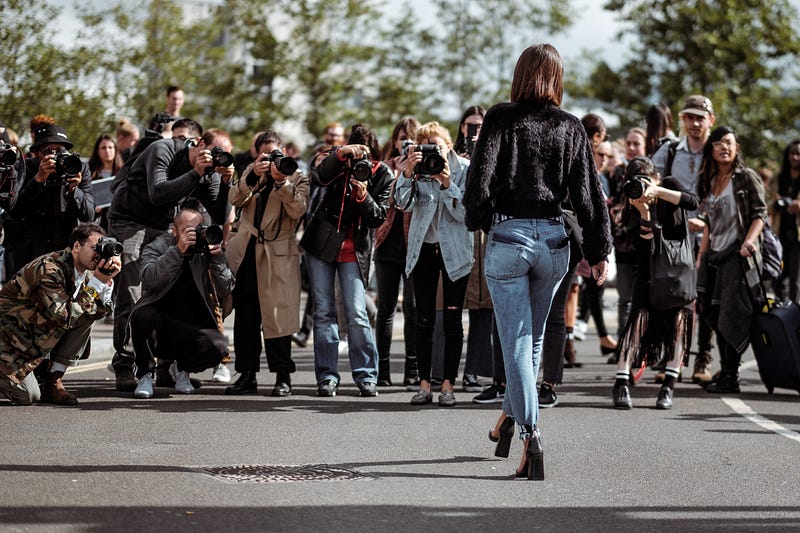
Photo by Clem Onojeghuo on Unsplash

“Hi, I know you don’t know me, but can I just get a quick picture with you please”?

I can’t even count the number of times I was asked that during those years of my life.

I used to find it so strange, both guys and girls who were complete strangers to me, wanting to have their picture taken with a freaking 16-year-old kid.

I don’t know how or when I got popular. I never even accepted that I was popular. When people asked me about my popularity, I used to brush it off as nonsense.

But let me tell you a secret.

I enjoyed it. I relished the attention and limelight.

My ego was boosted every time someone wanted a picture with me or was crushing on me, or even when someone asked for an autograph a couple of times.

I’m cringing as I write this.

Because I’d done nothing worthwhile to deserve so much attention and popularity.

Wherever I went, to events, to a new school, to sports games, everyone seemed to have heard of me. I find that freaking absurd.

I remember that a friend had once remarked that almost everyone in town of our age knew of me.

I had thousands of followers, likes, and comments across my social media. And this was before influencers or Instagram models were even a thing.

Although I thoroughly enjoyed that period of my life, looking back I can clearly see how deeply it messed me up.

This is what it did to me and what I learned from it.

I had to be my best all the time.
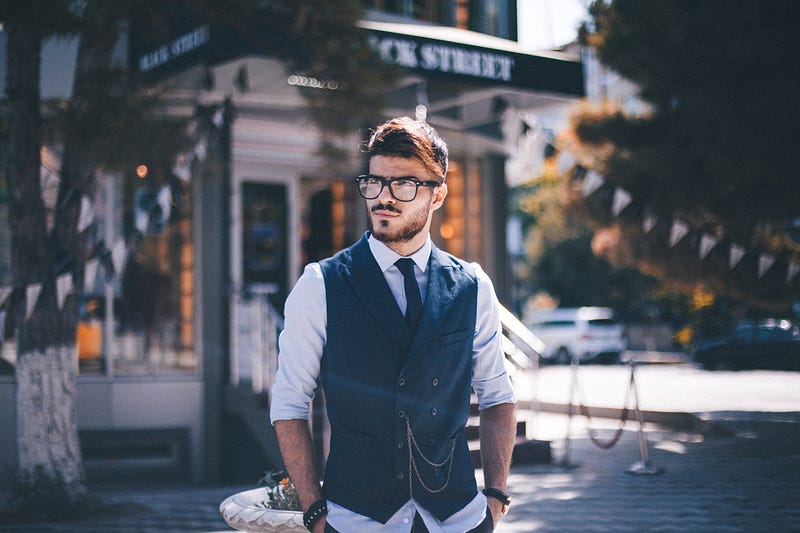
Photo by Mubariz Mehdizadeh on Unsplash

I had to look my best, speak my best, and feel my best.

Because someone was always watching.

Virtually every time I went out, I used to run into someone who knew of me.

This stuff is hard for actual celebrities to deal with. Imagine a 16-year-old Indian kid having to face it.

This feeling of always having to be your best can get incredibly claustrophobic and suffocating.

It made me hyper-conscious about myself. It made me spend an hour getting ready every single time I had to go out somewhere.

Every time I used to go to the popular places in town where I knew a lot of people would recognize me, I used to have a paralyzing fear of someone thinking I’m ugly, or too short or too fat. Even though I knew that I was none of those things.

Lesson — Popularity is not necessarily a good thing. It can be very hard to deal with at times. Much like money or success, most people think that popularity is of course a desirable thing. I did too. But it has its own cons. I learned this the hard way. I’m so glad that I grew out of that phase and I’m not the least bit of “popular” anymore. Life’s much easier this way.

It’s made me subconsciously always look for external validation and attention
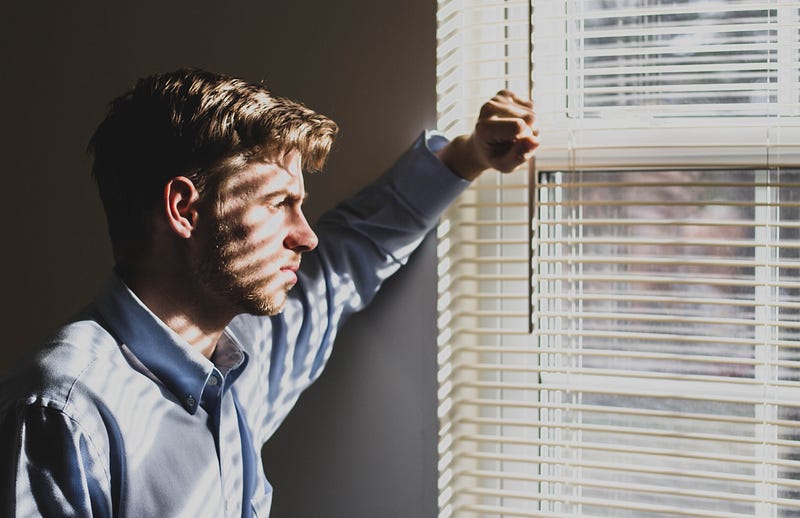
Photo by Ethan Sykes on Unsplash

All those years of having my self-esteem be boosted by popularity also made it reliant on that.

I hate to admit it but external validation, attention, and popularity can be extremely addictive.

I was so used to it that years later today, I’m still in the process of getting over that addiction.

When you’re so conditioned to external validation, you start to define yourself by it.

My mind attached my self-worth to the amount of attention and the number of likes that I was getting.

But when I made a conscious choice to be done with that life and move away from the limelight, I started facing withdrawal symptoms.

I started to feel bad about myself and my life because I no longer had external sources to validate me.

I no longer had strangers boosting my ego and self-esteem.

And my monkey brain inferred this as —

I’m a has-been who isn’t worthy of love and attention

I was in a really bad place. And this is what put me on the path of self-improvement.

I understood that my self-esteem should be reliant on my actions and my actions alone.

I had to rebuild my self-worth and self-image which were broken due to not getting all the perks of popularity anymore.

I did this by improving myself and working on things that mattered to me.

Lesson — Determine your self-worth by the things you do. Valuable, meaningful things. Things like being a good person, working hard, helping people, and so on. Don’t let your self-image be too drastically influenced positively or negatively by what other people think of you.

Attaching too much importance to social media metrics
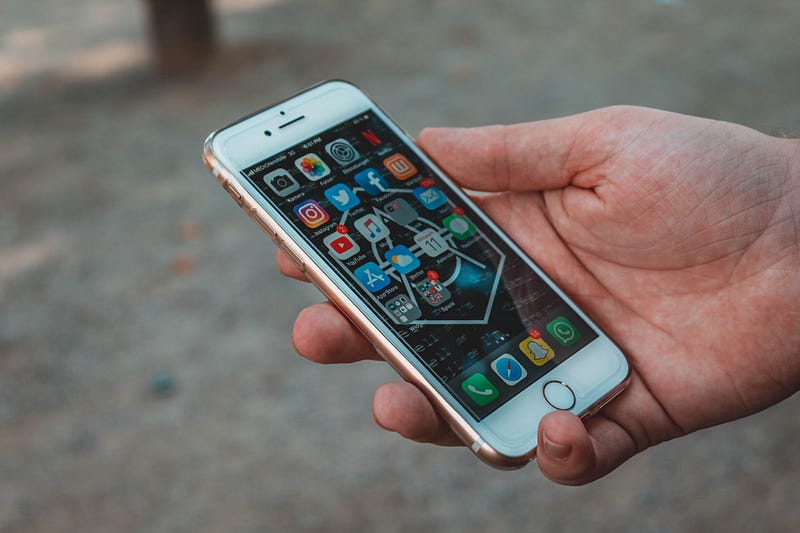
Photo by Sara Kurfeß on Unsplash

All the compliments, fangirls, sweet comments, likes, and followers got to my head without even me realizing it.

I never even understood just how reliant I was on this social media stuff until I intentionally got rid of it.

I permanently deleted my Facebook account which had thousands of “friends”, I removed thousands of followers from my Instagram (everyone whose name I didn’t recognize), and I uninstalled Ask.FM, Snapchat, and other social apps.

I got terribly lonely after this. This was because —

Social media gives you the illusion of having people when you really don’t.

How many of those removed followers or “friends” would come to my funeral? Not many.

This led me to form a small circle of friends and learning to be happy with that.

Today, I’m comfortable with being a very private person.

But if I’m being honest, I do miss the vanity metrics sometimes.

I’ll never again make every detail of my life public as I used to, but I do want to build a following again. But this time, for the right reasons.

This time I want to build an audience whom I can serve in my capacity as a writer.

In my head, I know that even something like this that I’m so passionate about is slightly influenced by the addiction to social validation. But oh well, I still have some unlearning left to do.

Lesson — A large following means nothing if it’s not earned for the right reasons. Unless you’re a creator, social media metrics are extremely shallow and meaningless. They’re an illusion. Ask yourself, how many people who ‘like’ your posts would come to your help in an emergency?

The biggest way in which that phase messed me up — it made me have a perfectionist attitude towards myself
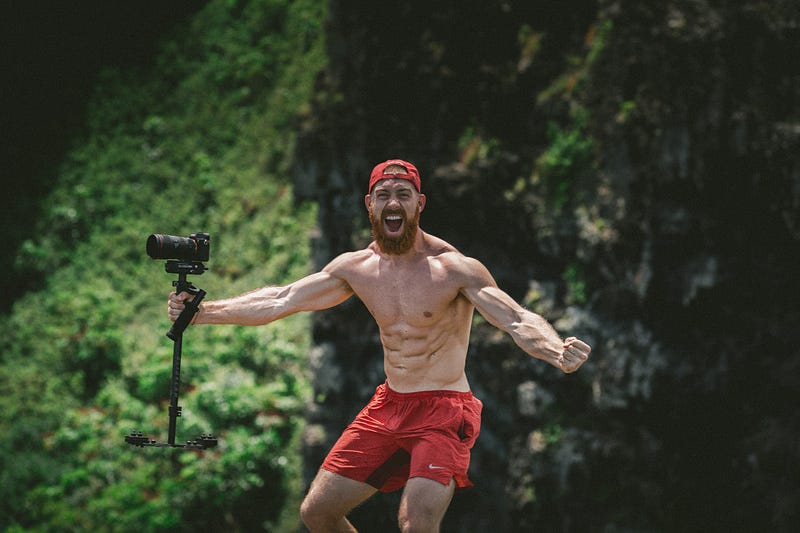
Photo by Jakob Owens on Unsplash

I’m someone who can easily be content with doing good enough work.

Whether it’s an article, a sports game, a college assignment, or a work project, I never need it to be perfect. I’m okay with doing just a good enough job.

But when it comes to myself, I’m a perfectionist.

My mind is always telling me that I need to be the smartest person in the room with 6 pack abs, the best hair, and bulging biceps.

And right now, when I have none of those things, I feel like I’m not good enough. Good enough for what? I don’t know.

All those years of thinking that I’ve got to be my best self because people are watching got me conditioned to needing myself to be “perfect” (despite knowing that perfection doesn’t exist).

So now, despite being out of that phase of my life, I still feel the pressure to be perfect.

My journey of self-improvement actually makes this worse instead of better.

Because the more you try to improve yourself, the more you’re enforcing the idea of not being good enough yet.

Lesson — Self-improvement is important. But loving and accepting yourself is more important. Don’t try to be perfect for others or even for yourself. There is no perfection. However, and whoever you are is okay. Sure, you still have room for improvement, but who doesn’t? Nobody is perfect and for good reason. One person’s perfection can be another person’s nightmare. So go easy on yourself and learn to love yourself for who you are.

Closing Thought

My primary aim with this article has been to show you the dark side of extreme popularity/semi-fame.

Today, American kids want to become YouTubers and creators more than any other profession.

I suspect that a big reason for this is that they think being famous will make them happy and successful.

I’m sorry to say but that isn’t always the case.

I could’ve easily monetized my following, but I chose to walk away from it all and start from scratch.

That’s how much of a toll it took on my long-term mental health.

I gave up on the prospective career of an influencer because I saw the dark side of popularity very early in my life.

My biggest lesson from all this is

Popularity and fame can be very shallow. Meaningful connections and genuine friendships are far more valuable.

Today, I talk to almost none of my thousands of “friends” and followers from back then.

Because now I know, I have a genuine love and some real friendships in my life. I don’t need popularity.

Life Lessons
Self Improvement
Advice
Life
Inspiration
Recommended from ReadMedium