
How Beethoven’s Deafness Can Unlock Your Unstoppable Spirit
What Can We Learn about Resilience and Persistence from the Great Composer

Hands slick with hot sweat, I settled onto the piano bench, taking in the sleek black expanse of keys stretched before me. My heart pounded as I tried to steady my breathing.
Thoughts ricocheting around like “Do I really know this piece?” and “What if I mess up?” But all those worries melted away once my fingers touched the keys.
Closing my eyes, I began playing the first mournful notes. My fingers hesitating at first, stiff from anxiety. As the melancholic melody filled the hall, I forgot the audience, forgot my fears.
I lost myself in the ebb and flow of the music, expressing through the keys the song’s quiet despair slowly building into defiant hope. Such is the power of Beethoven.
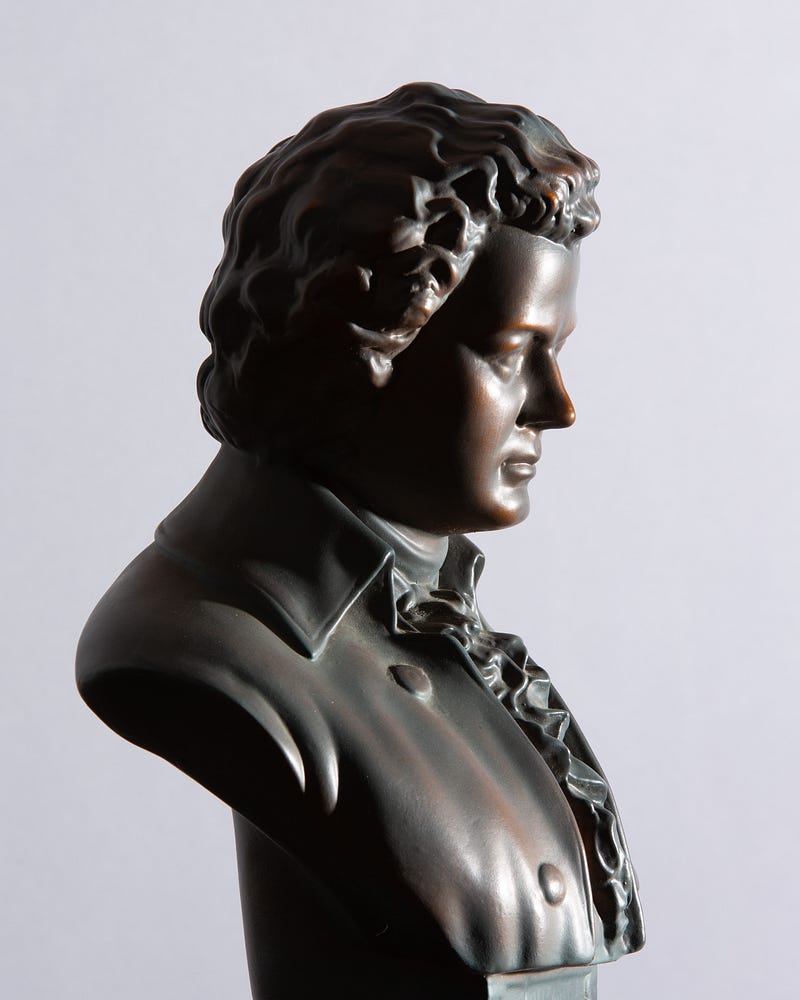
The Musical Master Who Couldn’t Hear His Own Work
In case you’re not familiar, this musical genius, born in Bonn, Germany in 1770, blazed his way into musical immortality over the course of an astonishing career spanning four decades.
Works like his fiery Fifth and Ninth Symphonies seem to rage and storm before arriving at triumphant moments of profound joy and brotherhood.
Yet, the deaf maestro struggled to hear his own works in later years. But despite this limitation, he forged daring new pathways in music. He blew apart the genteel decorum of earlier eras with the seismic power of his compositions.
Though recognized as a master in his day, Beethoven’s fearless innovations would echo through centuries to come.
Nearly two hundred years after his death, Beethoven’s music still feels strikingly fresh, vital and human. That immortal fire continues to inspire performers and listeners alike. I’m hoping that future generations will keep his music alive too.
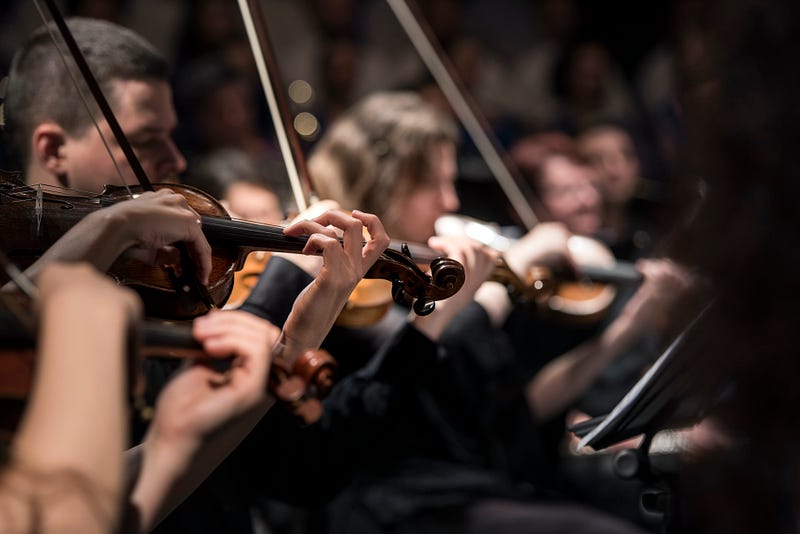
Beethoven’s Deafness Never Defeated Him
Beethoven started losing his hearing in his late twenties, which led to total deafness later. That would be the end of most people’s musical career, but he powered through and kept writing incredible music anyway.
He composed his most famous works when he could hardly hear a note. Can you think of a greater example of determination? He wrote his legendary Ninth Symphony when he was almost completely deaf.
I think we should appreciate Beethoven’s music first and foremost, but also know that he overcame huge personal challenges to create timeless works of art.
Whatever he went through, his strength of spirit shined through in his music. That relentless drive to create beauty even when he could barely hear — now that’s inspirational1 No wonder he’s still influential today!

What Can We Learn from Beethoven about Resilience?
I can’t even imagine the frustration Beethoven must have felt as a musician slowly going deaf, yet he didn’t let it stop him creating incredible music. If anything, it forced him to work harder and refocus his creativity.
And talk about adaptable! As his deafness got worse, Beethoven figured out all kinds of ingenious ways to keep making music. He’d saw the legs off pianos so he could feel the vibrations through the floor.
He used resonance contraptions to help him compose too. Even with his limitations, his experimentation allowed him to push through.
Now you might think he did it all alone, but this brooding genius relied a lot on support from close friends. They helped him communicate and bring his musical ideas to life. Even creative greats need help now and then!

Beethoven Turned Weaknesses into Strengths
In the end, Beethoven’s weakness became his strength. His deafness shaped his unique sound and cemented his legacy. Instead of fighting it, he turned his poor hearing into a creative power,
Beethoven shows us that qualities like courage, adaptability and community can transform personal hardships into enduring masterpieces.
His resilience despite the odds offers inspiration about the depths of human capacity. The guy overcame more than most…and his music is still changing lives!
The Lessons We Can Learn
Beethoven’s determination speaks to the human spirit — offering inspiration that anyone can apply to their own struggles.
I’m struck by a few key aspects of his resilience that we can all learn from:
First, the way he reframed his limitation as a strength. Deafness could have felt like a prison, closing him off from sound and connection. But Beethoven used it to relate to his music in new ways.
What if we reframed challenges as openings, not barrier? What if we approached setbacks with an open and adaptive mindset rather than fear and doubt?
His Passion Fueled His Resilience
Beethoven leaned into what fueled his spirit. Rather than giving up, he used hardship as motivation rather than surrendering to despair.
And he never lost sight of his ultimate goal — to channel his vision into works that moved millions. Likewise, when we connect our challenges to larger goals, it gives energy to persevere.
The Power of Persistence
Finally, Beethoven’s story reminds us that we need to be persistent and resilient to reach any goal. There will always be setbacks and self-doubt. Most of us can relate to that in terms of our writing careers too, right?
So, the next time you’re ready to give up, imagine what it would be like to compose music without being able to hear it. If that doesn’t inspire you to power through the tough times, I don’t know what will.
Let Beethoven’s indomitable spirit be your guiding light when the path seems too difficult.
References:
Ludwig van Beethoven | Biography, Music, & Facts | Britannica. In: Encyclopædia Britannica. ; 2024. Accessed February 19, 2024. https://www.britannica.com/biography/Ludwig-van-Beethoven
Beethoven: Background. Caltech.edu. Published 2024. Accessed February 19, 2024. https://www.its.caltech.edu/~tan/BeethovenMissaSolemnis/background_on_beethoven.html


