
How The Beauty Industry Convinced Women They Are Not Enough

The global beauty industry is worth $560 billion today. The global diet industry was valued at roughly $192 billion last year.
Both markets are on a rapid upward trajectory and are expected to increase to a collective value of over a trillion dollars in just a few years.
Despite the growing popularity of cosmetics and wellness products among men, the industry is still largely ruled by women. And every year, women spend billions of dollars in exchange for beautiful hair, flawless skin, slim waist, cellulite-free hips, etc.
The truth is, modern advertisers shaped most of our expectations of feminine beauty. And many of today’s most common beauty procedures were virtually nonexistent a century ago.
But imagery used by the beauty and diet industry to advertise products can have a truly detrimental effect on female consumers’ mental health: from depression, excessive dieting, body image issues to eating disorders.
It’s about time we shed more light on how our insecurities came to exist in the first place.
The Cellulite Myth
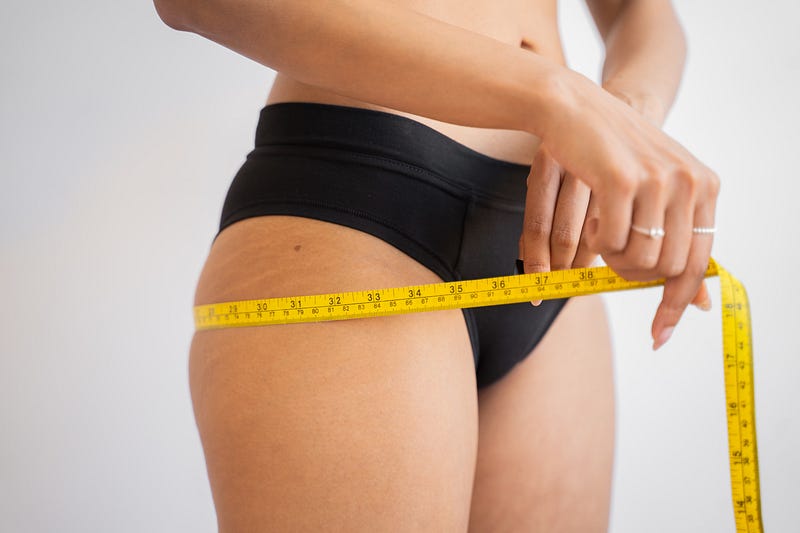
Nowadays, women can buy anti-cellulite body creams, lotions, wraps, massages, treatments, and many other products that promise to melt, steam, or vibrate away the lumps and bulges of cellulite.
But half a century ago, barely anyone knew that the word “cellulite” existed. So how come we are so obsessed with it right now?
In 1973, Nicole Ronsard, owner of a beauty salon in New York, published a best-selling book about cellulite in which she described it as “fat gone wrong.”
This book has triggered millions of American women into believing that they suffer from a skin condition. So, not surprisingly, Nicole became a millionaire from selling anti-cellulite treatments at her salon.
Before long, the rest of the world followed, and cellulite was perceived as a disfiguring, ugly flaw and became one of many other things that women hate about themselves. A plethora of anti-cellulite products sprang up, making the global anti-cellulite treatments market worth over a billion dollars today.
But according to several recent studies, there is no clear evidence of any effective treatments to eliminate cellulite.
And cellulite is not a medical condition, skin deformity, a result of a bad diet, or any underlying disease.
Cellulite is subcutaneous fat that pushes up against the skin creating a dimpled appearance. It’s a perfectly normal part of having skin; it can be found in every body type, lean and muscular women included.
Up to 98% of all adult women have cellulite. It’s an entirely different story with men, as they have lower amounts of estrogen in their bodies and a different skin structure, so they are less likely to develop it.
Rise of the Hairless Body Ideal
In the ancient Roman Empire, hair removal was a signifier of cleanliness, just like in Egypt and Mesopotamia; it was also a signifier of class — but only for women.
But it wasn’t until the beginning of the twentieth century when the first safety razor specifically for women came into existence.
In the early 1900s, fashion evolved to include sleeveless tops and dresses. And hair removal companies used that change to justify the sudden need to shave their armpit hair.
In 1914, Harper’s Bazaar was the first women’s magazine to run hair removal products advertisements. One year later, Gilette created what is now known as “The First Great Anti-Underarm Hair Campaign” that encouraged women to use Gillette razors on their armpit hair.
And then fashion and shortage of nylon during World War II forced women to shave their legs; by the 1950s, bare legs and leg hair removal became the norm.
By the 1960s, 98% of American women were routinely shaving their legs.
In the decades that followed, new technologies — from depilatory devices and electrolysis centers, to waxing centers and brow threading bars — made hair removal one of the most popular beauty services and turned it into a multi-billion dollar market.
Nowadays, there is a systematic demand for female bodies to be bald practically everywhere, except for eyebrows and hair. Women keeping their body hair are often considered “bold.”
The Flat Stomach Obsession
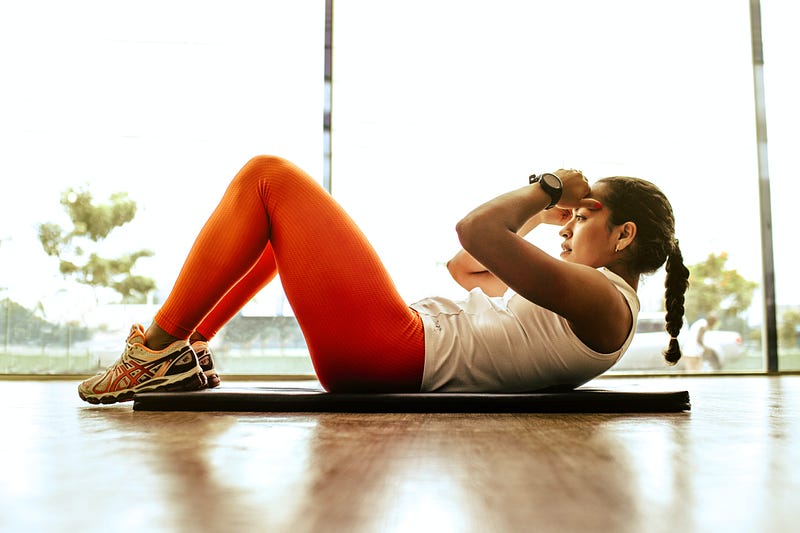
The ‘ideal’ woman’s body shape is ever-changing, forming a complicated history with the damaging impacts of women who try to conform in each era.
Since the 1960s, the trend toward increasingly slender bodies has taken hold.
Simultaneously, more and more women were embracing a less constricting wardrobe and going girdle-free, which meant achieving the desired thin and flat-stomached look could only be done through diet and exercise.
The notion that a woman should have a flat stomach to look beautiful and healthy has infiltrated our society’s mindset ever since. Today, there are all kinds of trainers, videos, diets, and products that say they can get you a flat stomach.
But women’s stomachs aren’t meant to be flat.
Women have extra padding in their abdominal area to protect their vital organs, including the reproductive ones. The process of storing fat cells there usually begins during early adulthood in preparation for childbearing later in life. And that is perfectly normal.
If anything, it’s the obsession with a man-made idea of a flat, six-pack stomach that is not.
Being a woman that wants to conform to modern beauty standards is incredibly expensive. Recent research shows that American women spend nearly a quarter-million dollars on their appearance throughout their lifetimes.
Luckily, since 2010, the body positivity movement has gone from fringes of discourse to the mainstream.
And as the movement continues and evolves, hopefully, more and more women will embark on a journey towards self-love and acceptance after years of trying out fad diets and hating the way they look.


