How is Artificial Intelligence used in agriculture?
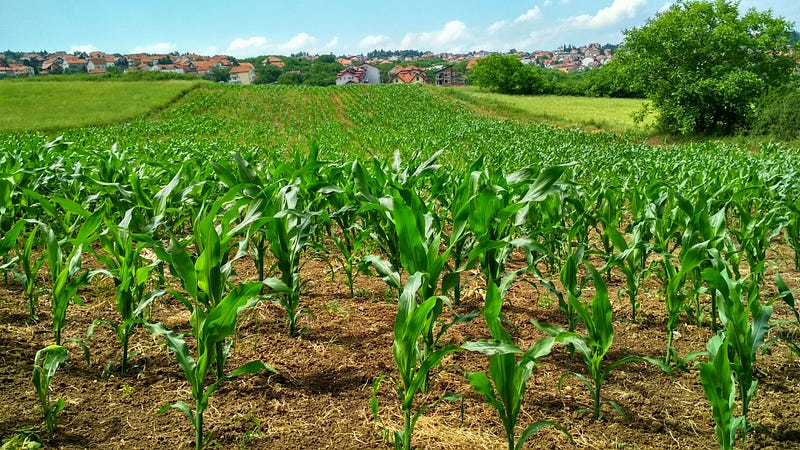
Artificial intelligence (AI) is progressively used in agriculture to improve crop yields, reduce costs, and make farming more efficient. Some of the ways that AI is used in agriculture include:
- Precision agriculture: AI-pushed sensors and drones gather data on soil conditions, weather patterns, and crop growth. This AI data can then be analyzed to create precision maps that show where fertilizer and water should be applied and where pests and diseases are likely to occur.
- Crop monitoring: AI-generated cameras and imaging systems are used to monitor crop growth and detect early signs of stress, such as pests or diseases. This information can then be used to make timely adjustments to fertilization and irrigation, which can help to increase crop yields.
- Livestock management: AI-activated cameras and sensors are used to monitor livestock’s health and behavior and detect early signs of illness or injury. This information can then be used to take preventative measures and improve the animals’ overall health and welfare.
- Predictive modeling: AI algorithms are used to analyze historical data on weather patterns, soil conditions, and crop yields to predict future crop yields. These predictions can help farmers to make decisions about planting, harvesting, and resource allocation.
- Autonomous vehicles: AI-powered autonomous cars are used for planting, harvesting, and spraying. They can work 24/7, reducing the need for human labor and increasing efficiency.
- Integrating AI into farming allows farmers to make more informed decisions, reduce waste, and improve crop yields. This can help to increase food production and help to feed the growing population.
“If you like what you are reading on my blog, then please support me by buying me a coffee. Click on the link below to help me.”