avatarKarol Skupien

Free AI web copilot to create summaries, insights and extended knowledge, download it at here

1677

Abstract

ts cover some basics first.</p><ol><li>During inhale, the diaphragm moves down, and moves up during the exhale.</li><li>During inhale the heart expands and blood moves slower, causing the neural signal to<b> increase the heart rate</b>.</li><li>During the exhale, the volume of the heart decreases and blood flow is sped up, causing a signal from the nervous system to slow down the heartrate.</li><li>To <b>increase heart rate: </b>Take longer and deeper inhales than exhales; to <b>decrease heart rate</b>: Exhale longer and harder than inhales.</li><li>Voluntary rapid breathing, <b>controlled hyperventilation</b>, can be used to feel more alert and<b> increases adrenaline</b>.</li></ol><p id="88e2">As you can see, breathing can be used as a tool to control the brain and body, and can be used to take back control over your mind and heart.</p><p id="5fba">There are many breathing strategies and methods, but the one that stuck with me the most is the <b>cyclic</b> <b>sigh.</b></p><p id="8736">Performing the cyclic sigh helps you re-center yourself and brings you into the moment, providing a sense of <b>clarity and relief</b> from any thoughts you may be having, it can be done many times in a row for an enhanced effect.</p><p id="236a">The technique itself is very simple, it looks like this.</p><ol><li>Inhale deeply, as far as your lungs can go, through the nose, expanding your stomach and chest.</li><li>Take a brief 1-second pause.</li><li>Inhale sharply to fill the rest of your lungs with air.</li><li>Breathe out slowly through the mouth</li></ol><p id="087e">Doing this just once has <b>calming effects</b>, and many cyclic sighs can be done one after ano

Options

ther.</p><p id="2604">This breathing technique has helped me during stressful times and works wonders whenever I feel overwhelmed and need to step back, and I hope this will help you too.</p><p id="a898"><b>Sources</b></p><div id="978b" class="link-block"> <a href="https://scopeblog.stanford.edu/2023/02/09/cyclic-sighing-can-help-breathe-away-anxiety/"> <div> <div> <h2>'Cyclic sighing' can help breathe away anxiety</h2> <div><h3>Stanford Medicine researchers showed that five minutes a day of breathing exercises can reduce overall anxiety and…</h3></div> <div><p>scopeblog.stanford.edu</p></div> </div> <div> <div style="background-image: url(https://miro.readmedium.com/v2/resize:fit:320/0*A4y3lwOTsUKXC9MT.jpeg)"></div> </div> </div> </a> </div><div id="a045" class="link-block"> <a href="https://hubermanlab.com/how-to-breathe-correctly-for-optimal-health-mood-learning-and-performance/"> <div> <div> <h2>How to Breathe Correctly for Optimal Health, Mood, Learning & Performance</h2> <div><h3>In this episode, I explain the biology of breathing (respiration), how it delivers oxygen and carbon dioxide to the…</h3></div> <div><p>hubermanlab.com</p></div> </div> <div> <div style="background-image: url(https://miro.readmedium.com/v2/resize:fit:320/0*P0VJJ_eadU160rKR.jpg)"></div> </div> </div> </a> </div></article></body>

How Andrew Huberman’s Breathing Advice Helped My Anxiety.

Photo by Zac Durant on Unsplash

Breathing is a fundamental human need, and an ability we are born with. Unless you go out of your way to learn about breathing, it is likely you have never been taught how to breathe properly.

But learning different breathing techniques can be life changing.

Breathing is a unique body function because it is within our control and has the ability to influence the brain’s levels of excitability.

I have been listening to Andrew Huberman’s podcast for a while and I have decided to take on board his advice on breathing.

Huberman is a professor of Neurobiology and Ophthalmology at Stanford and his Huberman lab podcast discusses neuroscience and how we can use science to better our lives.
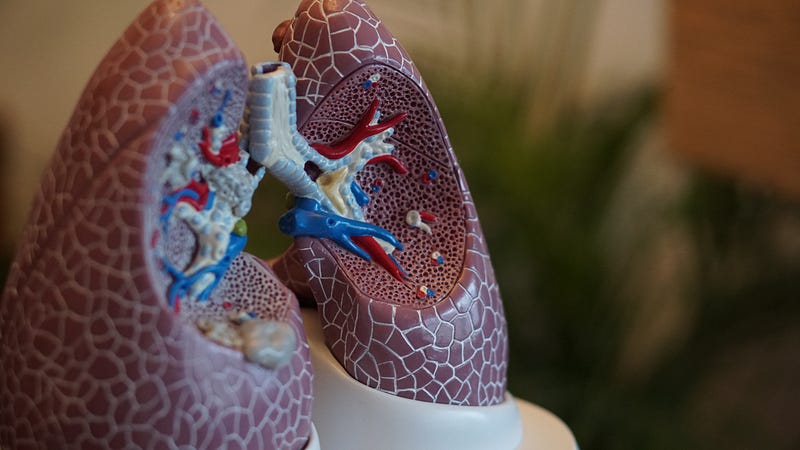
Photo by Robina Weermeijer on Unsplash

Before moving on to the specific technique that helped me with stress and anxiety, lets cover some basics first.

  1. During inhale, the diaphragm moves down, and moves up during the exhale.
  2. During inhale the heart expands and blood moves slower, causing the neural signal to increase the heart rate.
  3. During the exhale, the volume of the heart decreases and blood flow is sped up, causing a signal from the nervous system to slow down the heartrate.
  4. To increase heart rate: Take longer and deeper inhales than exhales; to decrease heart rate: Exhale longer and harder than inhales.
  5. Voluntary rapid breathing, controlled hyperventilation, can be used to feel more alert and increases adrenaline.

As you can see, breathing can be used as a tool to control the brain and body, and can be used to take back control over your mind and heart.

There are many breathing strategies and methods, but the one that stuck with me the most is the cyclic sigh.

Performing the cyclic sigh helps you re-center yourself and brings you into the moment, providing a sense of clarity and relief from any thoughts you may be having, it can be done many times in a row for an enhanced effect.

The technique itself is very simple, it looks like this.

  1. Inhale deeply, as far as your lungs can go, through the nose, expanding your stomach and chest.
  2. Take a brief 1-second pause.
  3. Inhale sharply to fill the rest of your lungs with air.
  4. Breathe out slowly through the mouth

Doing this just once has calming effects, and many cyclic sighs can be done one after another.

This breathing technique has helped me during stressful times and works wonders whenever I feel overwhelmed and need to step back, and I hope this will help you too.

Sources

Illumination
Health
Breathing
Meditation
Andrew Huberman
Recommended from ReadMedium