
The Hijack of Amazon
How Amazon Has Created Economic Disruption and an Impatient Culture
Two Ways to Keep Your Patience And Build a Healthier Economy
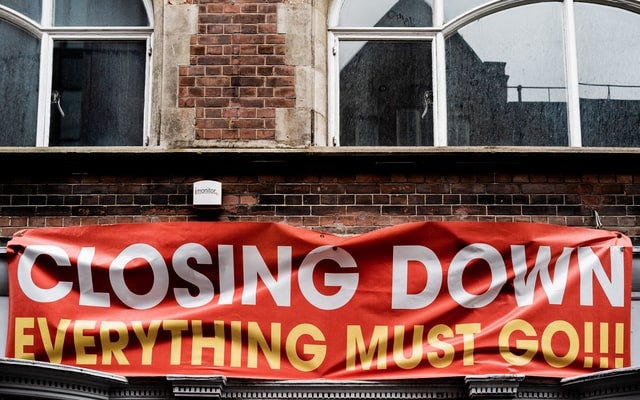
What began as basement bargains and drop shipping books began to change and seep into our homes. Suddenly we were offered Prime Shipping. Get your products within two days! How many people have bought into that? I know I did. Then it moved to get your groceries in 2 hours. And then, the merger happened. They took over Whole Foods.
The economic effects are astounding. For the longest time, Amazon kept overhead costs low by not having brick and mortar buildings. The utilization of e-commerce was a free-for-all. Smart, you say? Here’s the reality. Spending more is good for the economy because it contributes to the GDP (Gross Domestic Product), a financial market value measure of all goods and services produced. However, what looks good now, might not be so great in the future.
Entrepreneurship benefits the U.S. economy because it helps families move from low-wage jobs into the middle class. There is also a sustainability portion, where small stores increase walkability, reducing pollution.
Most people don’t realize that Amazon has created confusion by eradicating the little guys and becoming the bully on the block. It began innocently with books and then exploded into the everything store.
In the first quarter of 2021, 30.7% of all e-commerce purchases were from Amazon. Blame it on the pandemic. Blame it on whatever you like, but this points to erasing dreams and small businesses. With every job that Amazon is creating, which was 1.3 million worldwide, by the end of 2020, it is taking away a job from a small business. This trend also points to doing away with the spirit of entrepreneurship. Amazon opened up a new department for handmade items. Is Etsy the next e-commerce site to go?
And, we have all heard or read stories about the working and pay conditions of Amazon. Warehouse workers have complained about having too few bathroom breaks, which, by the way, are all timed. Additionally, they have unreasonable production goals amidst an unsafe environment. But, hey, when you need a job …
Many small business owners have turned to Amazon to sell their products. Still, if you talk to any of those business owners, you will hear that the costs are excessively high. They either drown in the expenses or look elsewhere. The benefits of warehouse space, expansive internet traffic, and support come at a high price. Additionally, when you’re small, you don’t have as much power. One report stated that sellers are punished if they offer their products elsewhere.
Let’s also look at the culture that Amazon has created. It started in a garage. A dream and some hustle. Who could blame Bezos? But then it morphed. Somewhere along the way, Amazon created behavior modification of its consumers.
Stop and read that again.
Yes, Amazon has changed the way we behave. Now that you know you can have your products so quickly, why shop elsewhere? The “I need it now” attitude has trickled in and become an explosion in your life.
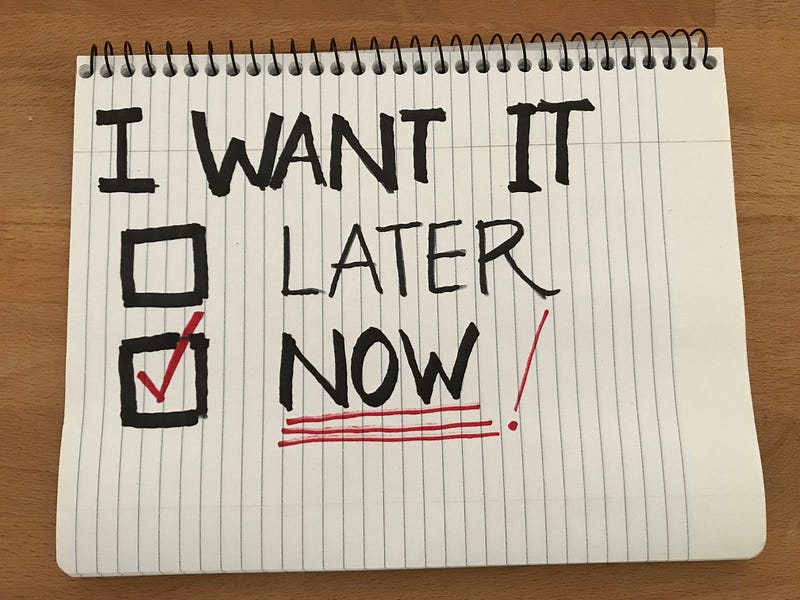
Psychology Today covered this topic by writing that you make rash decisions with horrible consequences when you are too impatient. You know … that last drink when you know you’ve already had enough. Now, I’m not sure that can happen on Amazon, but maybe.
Let’s break it down. Impatience is the opposite of patience, which Apple Dictionary defines as being “able to accept or tolerate delays, problems, or suffering without becoming annoyed or anxious.” To be patient means you can remain calm, composed, and understanding. In other words, you have the ability to wait.
Have you ever asked yourself whether you need that product so quickly? Or, why do I need to have my groceries within 1–2 hours? If I planned carefully, you wouldn’t need to pay the extra $119 a year. I believe this goes way beyond FOMO (Fear of Missing Out) and any other pneumonic. I think this speaks to moving so fast in life that you forget to slow down. Impatience cultivates a sense of entitlement. Yes, I said it.
Be wary. There are physiological responses that damage your health, primarily your heart. The flight or fight system connects to the adrenal glands (which focus on controlling the stress in our entire body physically, emotionally, and psychologically). Impatience brings anxiety and agitation, thus the uptick of anxiety meds and the opioid problem. Impatience also causes a blood pressure spike.
There isn’t a reward for impatience. Companies used to set 5-year goals. Now, things change so quickly that 5-year goals are 1-year goals, even 6-month goals. Sometimes, waiting allows a better product to come to fruition.
Steps to increase patience and support your local economy:
1. Set Goals and Make Plans: If you order something regularly, mark it on your calendar so you can order early. Check out other vendors. I found that when I moved away from ordering items from Amazon, I save money. You can help make a healthier economy by purchasing from small businesses. Supporting your local community keeps your money local while bolstering jobs and producing a sense of well-being. At the same time, you are teaching your brain and mind to increase your level of patience. Win! Win!
2. Prioritizing. Oh, so important in the long haul. You’ve heard the phrase, “haste makes waste”? Yes, all goals are important, but which ones are needed today, next week, or next year? To assign priorities helps you budget and think about other places you can purchase that product, which, in turn, helps other businesses. When you exercise patience, you get rid of randomness and boredom. In other words, planning breeds success,
FINAL THOUGHTS:
As you ponder your emotional spending habits, ask yourself this question: how does it benefit you to feed a large conglomerate continually? How does it help the environment and social well-being?
My guess is once you plan and prioritize, you will begin to support community businesses, and you will most likely say “I’m sorry” less.
Good things DO happen to those who wait.


