avatarVikram Singh Bisen

Free AI web copilot to create summaries, insights and extended knowledge, download it at here

2524

Abstract

sed vessel is needed to indicate risk. This makes examining the placenta a time-consuming process that must be performed by a specialist, so most placentas go unexamined after birth.</p><h1 id="ab38">How Machine Learning Predict Pregnancy Risks?</h1><p id="1258">Researchers said, pathologists train for years to be able to find <a href="https://www.vsinghbisen.com/category/health/disease/"><b>disease</b></a> in these images, but there are so many pregnancies going through the hospital system that they don’t have time to inspect every placenta with full attention and accuracy.</p><p id="daf4">While on the other hand researchers trained a <a href="https://medium.com/vsinghbisen/tagged/machine-learning"><b>machine learning</b></a><b> </b>algorithm to recognize certain features in images of a thin slice of a placenta sample. The team showed the tool various images and indicated whether the placenta was diseased or healthy.</p><blockquote id="d11d"><p><b>Because it’s difficult for a computer to look at a large picture and classify it, the team employed a novel approach through which the computer follows a series of steps to make the task more manageable.</b></p></blockquote><p id="fb86">First, the computer detects all blood vessels in an image. Each blood vessel can then be considered individually, creating similar data packets for analysis.</p><figure id="68bb"><img src="https://cdn-images-1.readmedium.com/v2/resize:fit:800/0*pO1Q4Tkuda-r-cNY.jpg"><figcaption>Image and blood vessel patches from data set: <a href="https://marlin-prod.literatumonline.com/cms/attachment/00bc3acd-7563-458e-b00d-9d75dca403e0/gr2.jpg">Image Credit</a></figcaption></figure><p id="ca61">Then, the computer can access each blood vessel and determine if it should be deemed diseased or healthy. At this phase, the algorithm also considers features of the pregnancy, such as gestational age, birth weight, and any conditions the mother might have. If there are any diseased blood vessels, then the picture is marked as diseased.</p><p id="284a" type="7">The tool achieved individual blood vessel classification rates of 94% sensitivity and 96% specificity, and an area under the curve of 0.99.</p><p id="629e">While algorithm helps pathologists know which images they should focus on by scanning an image, locating blood vessels, and finding patterns of the blood vessels that identify.</p><p id="b85a"><b><i>Also Read: <a href="https://readmedium.com/artificial-intelligence-in-high-quality-embryo-selection-for-ivf-40cd9fa019da

Options

">Artificial Intelligence in High-Quality Embryo Selection for IVF</a></i></b></p><p id="671a">The team noted that the algorithm is meant to act as a companion tool for physicians, helping them quickly and accurately assess placenta slides for enhanced patient care.</p><h1 id="4641">AI Assisted Pregnancy Risk Detection</h1><p id="fcbb">Though, this algorithm isn’t going to replace a pathologist anytime soon. The goal here is that this type of algorithm might be able to help speed up the process by flagging regions of the image where the pathologist should take a closer look.</p><figure id="c9ee"><img src="https://cdn-images-1.readmedium.com/v2/resize:fit:800/0*VQrE7741C9upKSkV.jpg"><figcaption></figcaption></figure><p id="874e">Such studies demonstrate the importance of partnerships within the healthcare sector between engineering and medicine as each brings expertise to the table that, when combined, creates novel findings that can help so many individuals.</p><p id="f4e9">Such useful findings have significant implications for the use of <a href="https://readmedium.com/how-ai-is-used-in-healthcare-to-control-the-covid-19-use-cases-d926a49c7caa"><b>artificial intelligence in healthcare</b></a>.</p><blockquote id="830a"><p>As healthcare increasingly embraces the role of AI, it is important that doctors partner early on with computer scientists and engineers so that we can design and develop the right tools for the job to positively impact patient outcomes.</p></blockquote><p id="3f03">And with the high-quality <a href="https://www.cogitotech.com/services/healthcare-training-data/"><b>healthcare training data</b></a> for machine learning can further help to improve the risks level associated with pregnancies. AI companies are using the right training datasets to train such model to learn precisely and predict accurately.</p><p id="180a"><b><i>Also Read:</i></b> <a href="https://www.vsinghbisen.com/health/why-global-fertility-rates-are-dropping/"><b><i>Why Global Fertility Rates are Dropping; Population Will Fall by 2100</i></b></a><b><i>.</i></b></p><p id="bce2"><i>This article was originally published on <a href="https://www.vsinghbisen.com/technology/ai/how-artificial-intelligence-can-predict-health-risk-of-pregnancy/"><b>www.vsinghbisen.com</b></a></i></p><h2 id="6af7">If you like this story, don’t forget to clap!!</h2><figure id="e91f"><img src="https://cdn-images-1.readmedium.com/v2/resize:fit:800/1*MpQGrJRPkianLIYI8cymXg.gif"><figcaption></figcaption></figure></article></body>

How AI in Pregnancy Can Help in Predicting the Health Risk?
AI in Pregnancy: Representative Image

Artificial Intelligence (AI) in healthcare is going to improve the birth process of humans with better diagnosis method when baby is in mother’s womb. Yes, using the machine learning approach, now AI can help predict the pregnancy related risks.

As per the published in the American Journal of Pathology, a machine learning model can analyze placenta slides and inform more women of their health risks in future pregnancies, leading to lower healthcare costs and better outcomes.

Placenta Complications During Pregnancy

Actually, when a baby is born, doctors sometimes examine the placenta for features that might suggest health risks in any future pregnancies. Providers analyze placentas to look for a type of blood vessel lesion called decidual vasculopathy (DV).
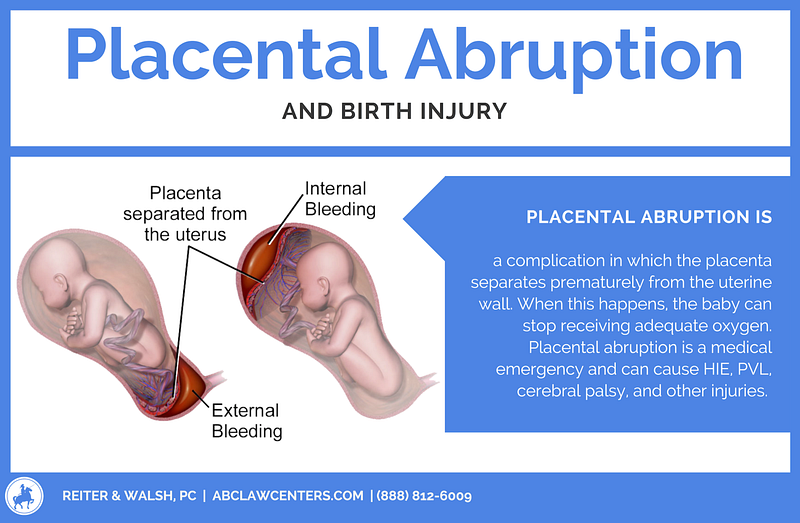
These indicate that the mother is at risk for preeclampsia, a complication that can be fatal to both the mother and baby in any future pregnancies. Once detected, preeclampsia can be treated, so there is considerable benefit from identifying at-risk mothers before symptoms appear.

Also Read: What Causes A Baby To Stop Growing In The Womb During Pregnancy

However, although there are hundreds of blood vessels in a single slide, only one diseased vessel is needed to indicate risk. This makes examining the placenta a time-consuming process that must be performed by a specialist, so most placentas go unexamined after birth.

How Machine Learning Predict Pregnancy Risks?

Researchers said, pathologists train for years to be able to find disease in these images, but there are so many pregnancies going through the hospital system that they don’t have time to inspect every placenta with full attention and accuracy.

While on the other hand researchers trained a machine learning algorithm to recognize certain features in images of a thin slice of a placenta sample. The team showed the tool various images and indicated whether the placenta was diseased or healthy.

Because it’s difficult for a computer to look at a large picture and classify it, the team employed a novel approach through which the computer follows a series of steps to make the task more manageable.

First, the computer detects all blood vessels in an image. Each blood vessel can then be considered individually, creating similar data packets for analysis.
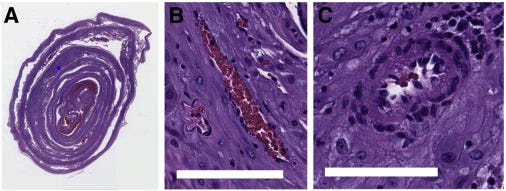
Image and blood vessel patches from data set: Image Credit

Then, the computer can access each blood vessel and determine if it should be deemed diseased or healthy. At this phase, the algorithm also considers features of the pregnancy, such as gestational age, birth weight, and any conditions the mother might have. If there are any diseased blood vessels, then the picture is marked as diseased.

The tool achieved individual blood vessel classification rates of 94% sensitivity and 96% specificity, and an area under the curve of 0.99.

While algorithm helps pathologists know which images they should focus on by scanning an image, locating blood vessels, and finding patterns of the blood vessels that identify.

Also Read: Artificial Intelligence in High-Quality Embryo Selection for IVF

The team noted that the algorithm is meant to act as a companion tool for physicians, helping them quickly and accurately assess placenta slides for enhanced patient care.

AI Assisted Pregnancy Risk Detection

Though, this algorithm isn’t going to replace a pathologist anytime soon. The goal here is that this type of algorithm might be able to help speed up the process by flagging regions of the image where the pathologist should take a closer look.
Such studies demonstrate the importance of partnerships within the healthcare sector between engineering and medicine as each brings expertise to the table that, when combined, creates novel findings that can help so many individuals.

Such useful findings have significant implications for the use of artificial intelligence in healthcare.

As healthcare increasingly embraces the role of AI, it is important that doctors partner early on with computer scientists and engineers so that we can design and develop the right tools for the job to positively impact patient outcomes.

And with the high-quality healthcare training data for machine learning can further help to improve the risks level associated with pregnancies. AI companies are using the right training datasets to train such model to learn precisely and predict accurately.

Also Read: Why Global Fertility Rates are Dropping; Population Will Fall by 2100.

This article was originally published on www.vsinghbisen.com

If you like this story, don’t forget to clap!!

AI
Artificial Intelligence
Machine Learning
Ai In Healthcare
Pregnancy
Recommended from ReadMedium