
Could AI Fix The Company “Fit” Problem?
The end of the interview merry-go-round
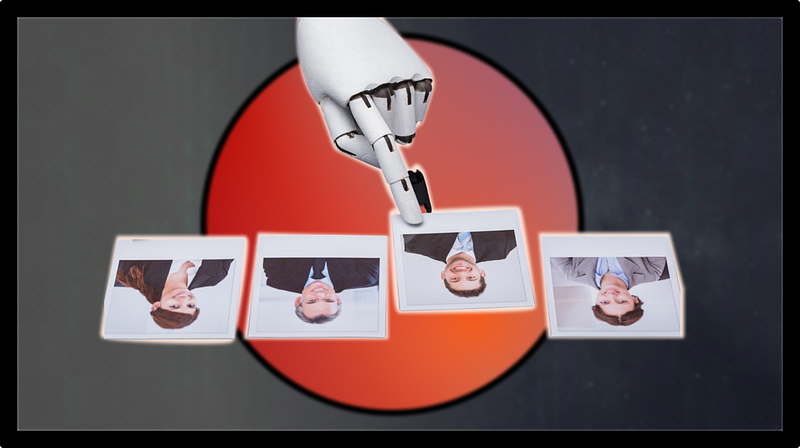
Seven months ago, I quit the corporate world to be my own boss. But only after working seven years in a job that, deep down, I knew wasn’t right for me.
Many of you reading might find yourself in the same position. I liked the people I worked with, and I had a challenge, so the years went by without me making a serious attempt to move industries. If my online businesses didn’t take off, I’d probably still be there.
I’ve reflected on why I acted in this way, and I suspect it’s because the energy involved in moving was greater than what I needed to stay. If you’ve tried to move jobs as a senior hire, you’ll know what I’m talking about.
My friend changed companies last month. It only took eight rounds of interviews. They had to determine whether she had the right “fit” or not. She was interviewed by HR, then separately by every single member of her future team. Despite all of those interviews, I knew she only intended to stay at the job for less than two years anyway but told them what they wanted to hear.
This is madness. It’s become a full-time job to find another job.
I hope my business succeeds because the thought of doing seven interviews then facing rejection is heartbreaking. As I begin hiring myself, it made me wonder whether interviewing for “fit” even works?
Why do employers care
I understand why employers can go to such extreme lengths to get to know someone before hiring. If someone new comes in with a style that doesn’t mesh well with the rest of their team, it can disrupt the team’s flow and bring everyone else down. There’s a fine line between the diversity of thought and the inability to meet colleagues’ expectations. According to Harvard Business Review, avoiding a toxic hire or letting one go quickly means $12,500 in cost savings.
Now I’m on the employer side of the fence, and I realize how much I underestimated how difficult it is to onboard people, so they hit the ground running. Every extra hour I spend explaining my logic or fixing mistakes gives me less time to do the tasks that generate the money needed to pay those working for me!
75% of HR managers think the most important thing when hiring is to see how applicants fit within the company. From my own experience, I can’t see this opinion changing any time soon. So are employees doomed to multiple interview rounds forever?
The bias problem
The practice of death by interview can’t last forever because eventually, companies will wake up to how terrible we are at reading each other. We can only tell if someone is lying with a 54% accuracy rate. This is barely above chance, yet how often have you heard people brag about how good they are at reading people.
We naturally are quicker to like people who share common traits with us. If a team is full of white males, it’s unsurprising if it seems like other white males are the best fit. It’s the misguided test of who would I want to go with a beer with rather than who’s the best professional fit.
It doesn’t help that an interview is an artificial environment that doesn’t reflect what it will be like to work with the person. Interviewers might be willing to overlook glaring flaws because they have a good feeling about a person. You’ll see people share anecdotes of how taking a risk on someone worked out amazingly.
Yet the issue is that those who made the wrong decision feel ashamed so they only see one side of the coin.
Why AI might be the solution
We can agree that it’s good for everyone if employers hire someone who can thrive in the culture of the team they are joining, but humans are often terrible at working this out.
Despite popular internet opinion, I don’t think most bosses want to make bad decisions, but they are human. I plan to hire more people toward the end of the year, and I’ve been looking into how I can make the process fair. I also want to avoid the nightmare of hiring the wrong person and the energy it would drain from me.
Inevitably, the social media gods realized I was interested in hiring and started showing me adverts. I came across companies using AI to improve hiring, and I went down the rabbit hole.
AI doesn’t have emotion. It can make objective decisions based on the person’s abilities rather than all the other noise. It’s cold, but it’s fair. It also stops the interview merry-go-round.
I’m going to use Unboxable because they claim a 93% success rate for managers being happy with the person they hired. I’m creating a job simulator where the people I hire can show off their skills in similar situations as they’d be doing when they work for me. I can then judge them based on what they did rather than what they say they can do.
I’d still use a final interview as a sanity check to make sure no red flags jump out at me. The hybrid approach suits me best and what the platform recommends. The key thing is I only interview qualified people, and I don’t waste other people’s time by putting them through a dozen hoops.
There is so much experimentation happening right now with hiring methods as employers struggle to find the people best for the long-term future of their business. AI seems like a natural next step, and it will be fascinating to see where this heads.
Would you want to be analyzed by AI to reduce the interview rounds you need to do?


