
How AI, Cloud, and IoT Will Transform Software Testing
The Future of QA and Software Testing
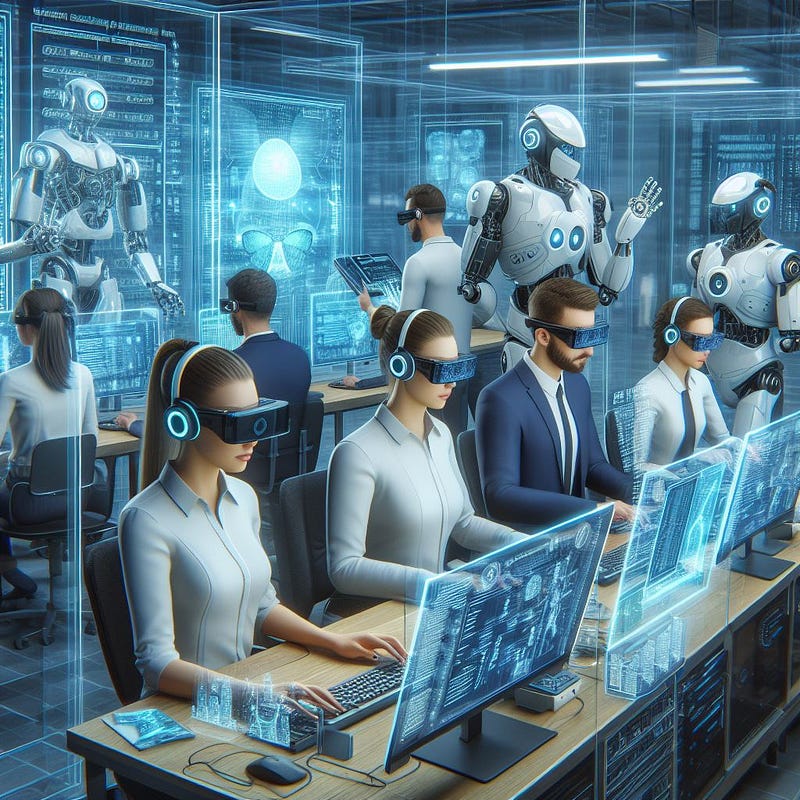
The world of software testing is on the brink of a major transformation. I guess you knew that already! With the advent of technologies like artificial intelligence (AI), cloud computing, and the Internet of Things (IoT), the future of testing looks exciting and full of possibilities. So how are these technologies set to revolutionize software testing?
Artificial Intelligence, with its ability to learn and adapt, is poised to bring significant changes to the testing landscape. AI can automate the process of test case generation, execution, and even the analysis of test results. This not only speeds up the testing process but also makes it more efficient and accurate. AI can identify patterns and trends in the test data, predict potential issues, and suggest corrective measures, making the testing process more proactive rather than reactive.
Cloud computing, on the other hand, offers a different set of advantages for software testing. The cloud provides a scalable and flexible platform for testing applications. Testers can easily spin up multiple testing environments in the cloud, simulate different scenarios, and scale up or down based on the testing requirements. This eliminates the need for expensive hardware and infrastructure, reducing the cost of testing.
The Internet of Things brings a whole new dimension to software testing. With billions of interconnected devices, testing IoT applications presents unique challenges and opportunities. Testers need to ensure that the applications work seamlessly across a wide range of devices, platforms, and networks. This requires a shift from traditional testing methods to more dynamic and real-time testing approaches.
AI, cloud, and IoT are not just transforming the way testing is done but also the role of testers. Testers of the future need to be tech-savvy, with a deep understanding of these technologies. They need to be problem solvers, capable of analyzing complex data, identifying patterns, and making informed decisions. The role of a tester is evolving from a mere executor of test cases to a quality advocate who ensures that the application meets the highest standards of quality.
These technologies also bring new challenges to the testing world. For instance, testing AI systems can be complex due to their dynamic and unpredictable nature. Similarly, ensuring security and privacy in cloud and IoT testing can be challenging. Testers need to be equipped with the right skills and tools to navigate these challenges.
Despite these challenges, the benefits that AI, cloud, and IoT bring to software testing are undeniable. They enable faster and more efficient testing, provide real-time insights, and allow for proactive issue detection and resolution. They make testing more strategic, data-driven, and aligned with the business goals.
The future of testing is not just about leveraging these technologies but also about integrating them. An integrated approach, where AI, cloud, and IoT work together, can provide a comprehensive testing solution. For instance, AI can analyze data from IoT devices, predict issues, and trigger tests in the cloud. This integrated approach can lead to more effective and efficient testing.
My view is that the future of testing looks promising with AI, cloud, and IoT leading the way. These technologies are set to transform software testing, making it faster, smarter, and more aligned with business needs. As we experiment with these technologies, the key is to adapt, learn, and evolve, ensuring that we harness their full potential to elevate the quality of our applications.
Cheers to the future of testing — a future that’s powered by AI, enabled by the cloud and connected by IoT. A future where testing is not just about finding bugs but also delivering superior quality. A future where testers are not just bug finders but quality advocates. And most importantly, a future where technology serves as a catalyst, enabling us to deliver better quality, faster.