avatarElena Beliaeva-Baran

Free AI web copilot to create summaries, insights and extended knowledge, download it at here

1791

Abstract

sh.com/@almapapi?utm_source=medium&utm_medium=referral">Krisztina Papp</a> on <a href="https://unsplash.com?utm_source=medium&amp;utm_medium=referral">Unsplash</a></figcaption></figure><h2 id="77c9">Here is where AI can help</h2><p id="a940">Let’s start with a brief explanation of how computer vision works.</p><p id="afe3">Firstly, AI specialists are ‘feeding’ the system with thousands of images of penguins (in our case). The system will identify the distinguished features of a penguin from all sides as a pattern. AI is a code that needs data and answers to process it into rules. In our case, it will be the rules of how a penguin looks like. Based on this data AI will form a general idea of a separate penguin and which features a penguin should have.</p><p id="6d07">The AI-powered image recognition system should know that this is penguin:</p><figure id="1f1b"><img src="https://cdn-images-1.readmedium.com/v2/resize:fit:800/0*if180NeWGu1h3_TK"><figcaption>Photo by <a href="https://unsplash.com/@bogdipasca?utm_source=medium&amp;utm_medium=referral">Bogdan Pasca</a> on <a href="https://unsplash.com?utm_source=medium&amp;utm_medium=referral">Unsplash</a></figcaption></figure><p id="4275">And this is penguin as well:</p><figure id="47ec"><img src="https://cdn-images-1.readmedium.com/v2/resize:fit:800/0*-Zgjgzx8d65SDAYy"><figcaption>Photo by <a href="https://unsplash.com/@longmaspirit?utm_source=medium&amp;utm_medium=referral">Long Ma</a> on <a href="https://unsplash.com?utm_source=medium&amp;utm_medium=referral">Unsplash</a></figcaption></figure><p id="821a">and this:</p><figure id="1272"><img src="https://cdn-images-1.readmedium.com/v2/resize:fit:800/0*gwlD4od3WnnpyrWs"><figcaption>Photo by <a href="https://unsplash.com/@readyroam?utm_source=medium&amp;utm_medium

Options

=referral">Regina Folken</a> on <a href="https://unsplash.com?utm_source=medium&amp;utm_medium=referral">Unsplash</a></figcaption></figure><p id="e034">As you can see, AI should get an ‘understanding’ of what a penguin looks like <b>from all of the sides and in different ecosystems</b>.</p><p id="b6bc">Then you give an AI a separate image of something. The system analyzes if the image has distinctive features of penguins it identified before. If the system meets a <a href="https://thenextweb.com/neural/2018/07/17/a-beginners-guide-to-ai-computer-vision-and-image-recognition/">minimum threshold of similar pixels,</a> AI declares it a penguin.</p><h2 id="d7c0">How it can help?</h2><p id="93e8">This technology can help researchers to count the colonies of penguins in <b>mere seconds</b>. This means that it would be a million time easier for researchers to monitor colonies and groups of penguins to identify any disturbances in the ecosystem faster than usual. With AI-powered tools like computer vision, researchers and large organizations like <a href="https://www.worldwildlife.org/">WWF </a>would be able to not only monitor animals, birds, fishes, etc. but also <b>it enables them to provide<a href="https://support.wwf.org.uk/adopt-a-penguin"> immediate help</a> to the whole ecosystem if needed.</b></p><figure id="535b"><img src="https://cdn-images-1.readmedium.com/v2/resize:fit:800/0*GZsgdD5ojRE9mT03"><figcaption>Photo by <a href="https://unsplash.com/@photographybysuzan?utm_source=medium&amp;utm_medium=referral">Suzan Kiršić</a> on <a href="https://unsplash.com?utm_source=medium&amp;utm_medium=referral">Unsplash</a></figcaption></figure><h1 id="9adb">Sign up for my Medium newsletter to get the newest AI-related articles straight to your inbox!</h1></article></body>

Technology

How AI Can Save Penguins

let’s imagine you’re researching penguins…
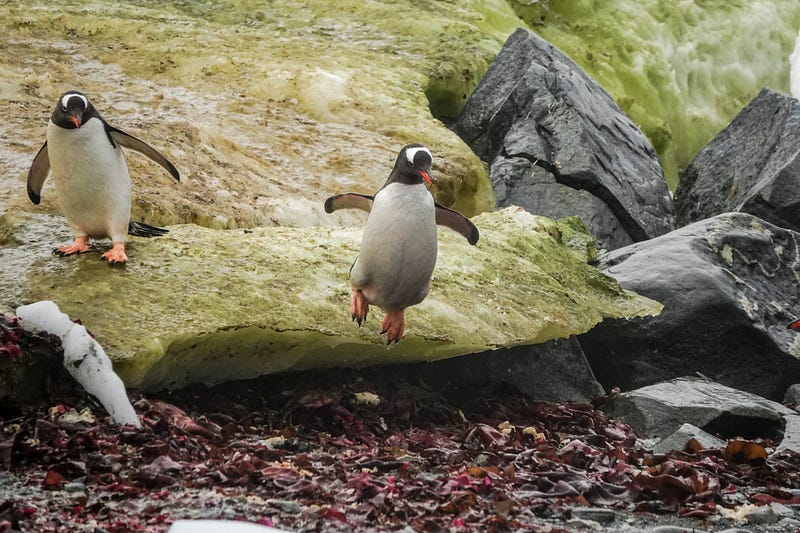
Photo by Long Ma on Unsplash

Situation: You are researching penguins in Antarctica for a WWF project.

The aim of your research is to understand the habitat, the features, the food web and the overall ‘lifestyle’ of Antarctic penguins. This information will help you to understand how climate change could affect the Antarctic penguins and how WWF and AI can potentially help them.

Your research requires not only facts about penguins and their ecosystem but also some numbers. While some research data you can collect manually from the drone videos, satellites, cruise ships and camera traps, some data is very hard to collect and to analyse.

The example?

One of the hard data that you need is to count penguins on a regular basis to identify disturbances in the ecosystem. You already have millions of pictures of penguins and the ecosystem from camera traps to analyse. Your task is to count how many penguins form a particular colony.

Sounds easy, but it's not. Especially if you take in the account distortions from the cameras or when penguins form close groups, like this one below:
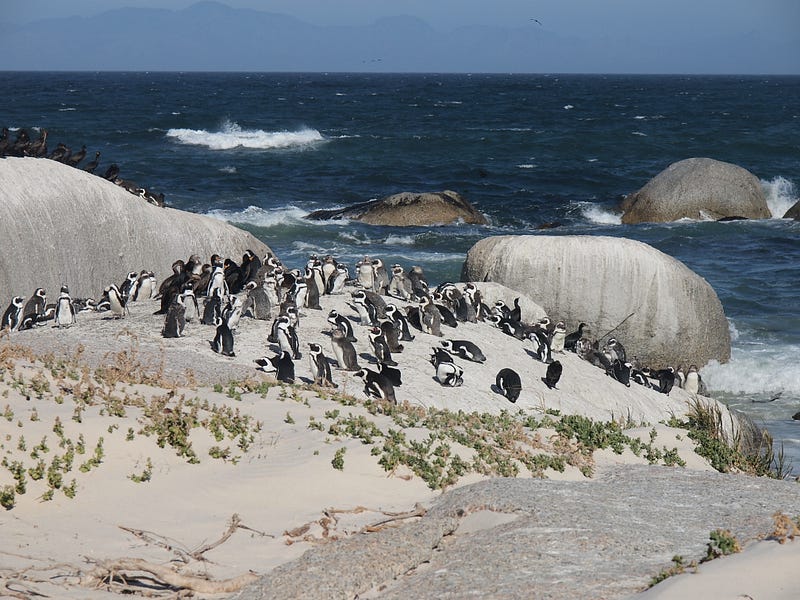
Photo by Krisztina Papp on Unsplash

Here is where AI can help

Let’s start with a brief explanation of how computer vision works.

Firstly, AI specialists are ‘feeding’ the system with thousands of images of penguins (in our case). The system will identify the distinguished features of a penguin from all sides as a pattern. AI is a code that needs data and answers to process it into rules. In our case, it will be the rules of how a penguin looks like. Based on this data AI will form a general idea of a separate penguin and which features a penguin should have.

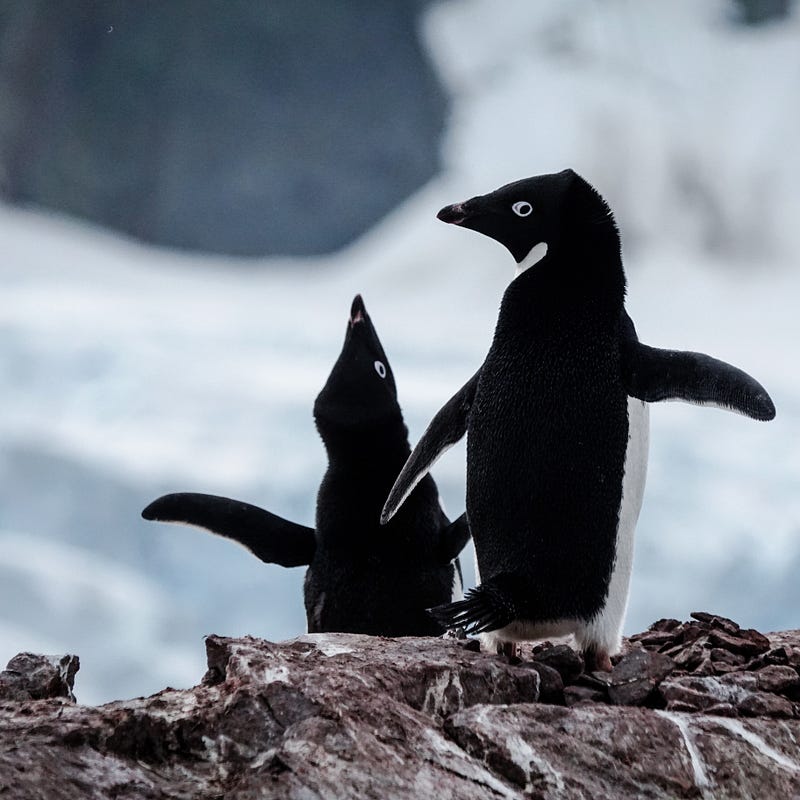
The AI-powered image recognition system should know that this is penguin:
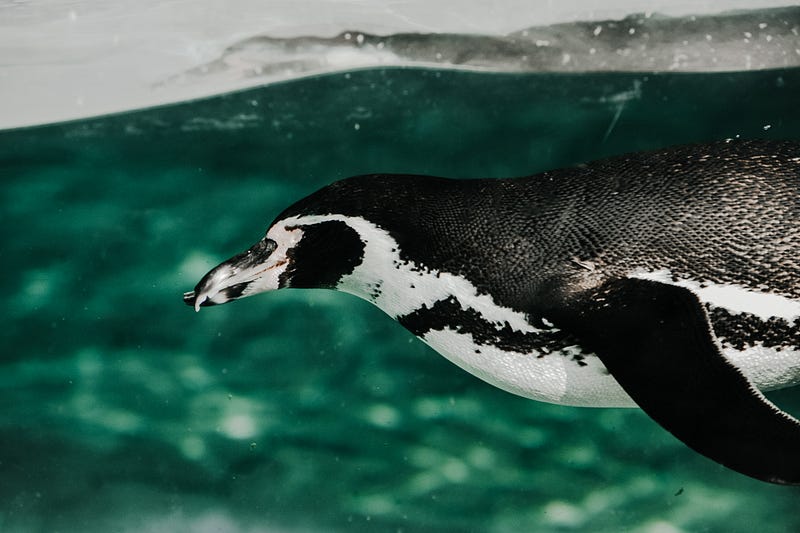
Photo by Bogdan Pasca on Unsplash

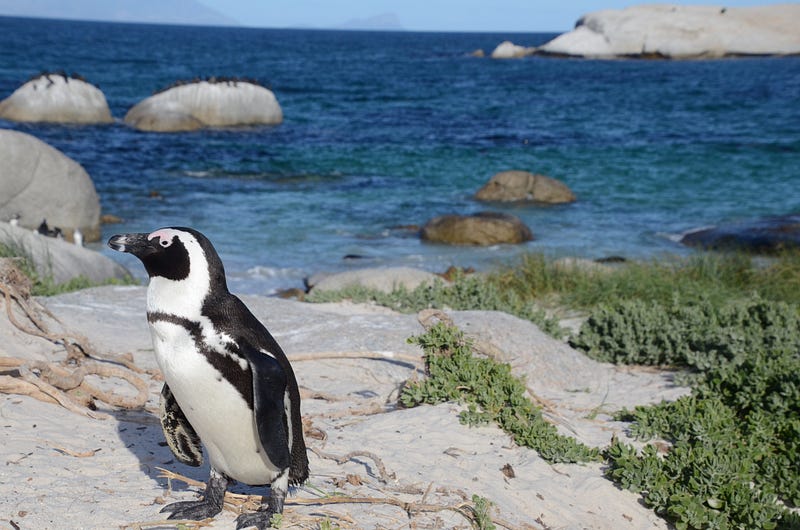
And this is penguin as well:

Photo by Long Ma on Unsplash

and this:

Photo by Regina Folken on Unsplash

As you can see, AI should get an ‘understanding’ of what a penguin looks like from all of the sides and in different ecosystems.

Then you give an AI a separate image of something. The system analyzes if the image has distinctive features of penguins it identified before. If the system meets a minimum threshold of similar pixels, AI declares it a penguin.

How it can help?

This technology can help researchers to count the colonies of penguins in mere seconds. This means that it would be a million time easier for researchers to monitor colonies and groups of penguins to identify any disturbances in the ecosystem faster than usual. With AI-powered tools like computer vision, researchers and large organizations like WWF would be able to not only monitor animals, birds, fishes, etc. but also it enables them to provide immediate help to the whole ecosystem if needed.
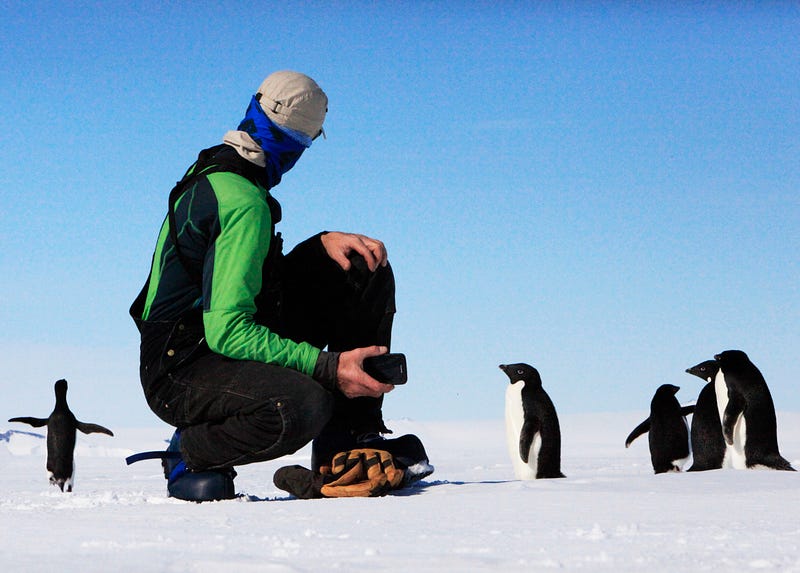
Photo by Suzan Kiršić on Unsplash

Sign up for my Medium newsletter to get the newest AI-related articles straight to your inbox!

Climate Change
Artificial Intelligence
Technology
Science
Wildlife
Recommended from ReadMedium