
How ADHD derailed my late 20s (and why RSD keeps me from being friends with my ex)
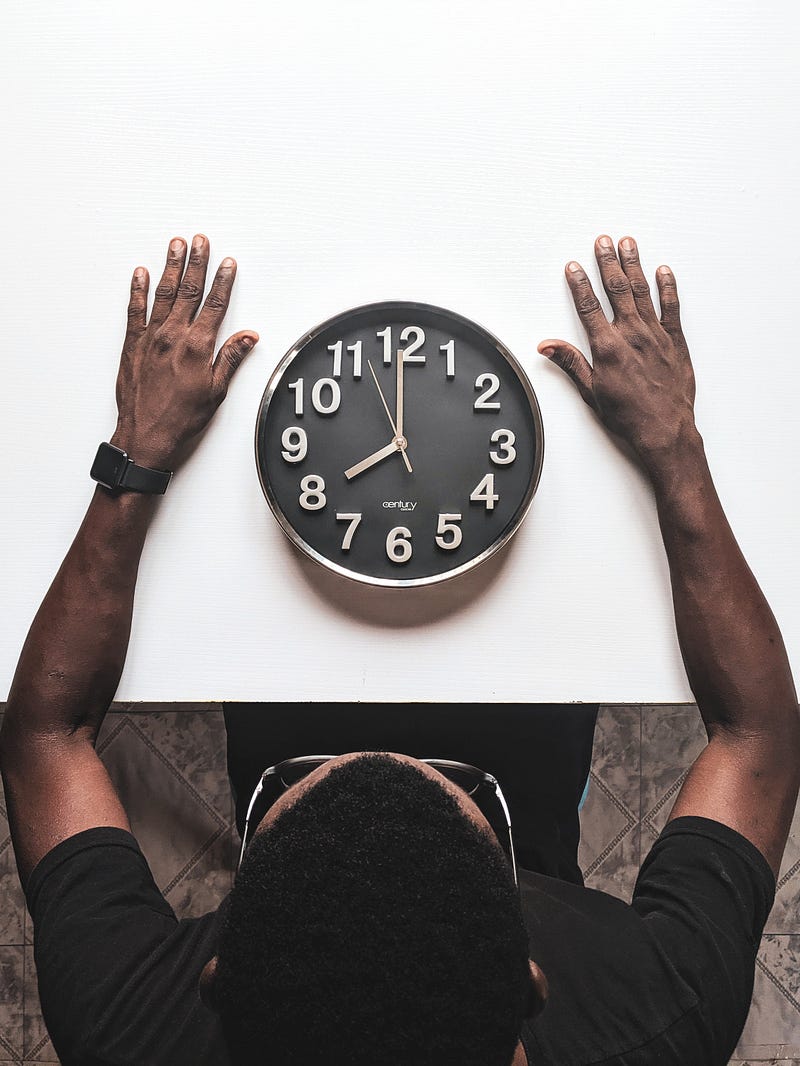
When I look back, I’ve displayed clear symptoms for as long as I’ve known myself, even if I didn’t know what to call them. Diagnosed at 20 at my own suggestion, spurred on by fears of not being able to cope with the increasing workload of my undergraduate degree, I wasn’t the typical hyperactive candidate, the eight-year-old who ‘bounced off the walls’, although I did talk incessantly–and still do–and had a string of peculiar and intense obsessions with movies, historical personnages, storybook and TV characters–and still do.
Cracks in my academic performance began to show in my later high school years, when I started struggling under the demands of exam prep, but not too much that it raised any flags. Come to think of it, I didn’t see it as struggling then. As far as I was concerned, I probably wasn’t as focused as I could have been, and I might have tried harder; I just didn’t know how. In any case, thanks to an intrusively supportive home base and later on, prescription meds, some of that was pretty much sorted (and much of it wasn’t, resulting in a handful of missed opportunities, most recently, a job that I was fired from after a month, but that’s another story).
Mere months before my 27th birthday, I was suddenly jobless after failing to make it past the probationary period at a firm where I was hired only a few months earlier and found myself in a slump: routinely waking up at 10 am, and living off what was left of my savings after starting a useless postgrad degree and buying a car, at the start of what would be a bitter three-year period of part-time employment, disappointing interviews, anxiety, disillusionment and a prolonged state of only ever having just enough money to do the things that I needed to do. I concluded that ADHD left me unfocussed, unsuccessful, unable to plan and execute tasks required of the corporate environment, and of course, relentlessly tardy to everything.
No TedX Talk (although this one is exceptionally good for persons with ADHD who feel like they’re struggling) or Reddit post could’ve prepared me for what felt like my sense of direction drifting helplessly away. I had finally been forced to pay attention to how this disorder could ransack someone’s professional life and knock them clear off the track to an ascent in the corporate world, but amidst the pervading feelings of failure and unaccomplishment, I hadn’t really taken stock of the emotional component of ADHD. The strangely overwhelming nature of strong negative emotions and the difficulty to effectively contain them. But as is often the case, it takes a disaster, a the experience of things coming apart for you to take notice of a problem before realising that something was at all wrong in the first place.
Keith
Keith and I broke up last July after a strained three months, following three months of bliss (he was the best boyfriend I’ve had so far, although considering that I’ve only had two ‘proper’ relationships to date, I’m not sure if that counts for very much). It was an amicable breakup, and we remained friends, as we had been for an entire decade prior, albeit not extremely close. Our paths had crossed because of a work thing just months shy of my 29th birthday, and when that was over and we would otherwise have returned to occasional conversations and social media birthday greetings, a lively chat sprung up, turning into one of *those* 3 am conversations. I wasn’t sure about him at first, viewing him more as a friend than anything else but a month later, when the sparks began to fly, the rest of the very lovely, ill-fated story began to write itself, and I all but moved into his place.
But as 2020 started to reveal itself as the catastrophe it would turn out to be, things began to put a strain on our relationship. My house was fuller than usual, with everyone working from home, which left me more stifled and distressed on a regular basis; work, now online had turned into a repetitive chore that lacked the spontaneity and interaction that made it enjoyable, and naturally, more doable. On top of that, with my job prospects looking even bleaker than before, I had become gloomier than ever. Meanwhile, with business slowing down, Keith’s anxiety got the better of him. The fact that I had–I believe, prudently–foregone a potential job opportunity he had suggested in his concern to get me employed again, didn’t help. He had been worrying so much about himself and now he felt obligated to worry about me in my semi-jobless state, and he began ‘shutting down,’ in his words. The last two months were marked by crippling stress headaches, fewer nights together and affectionless visits and me observing the terms of endearment that usually peppered our chats become scarce.
Not quite the crushing blow I thought it would be, the breakup was more of a ‘transition’–which was what we called it, anyway–and although there was distance for emotional safety, the friendship was able to breathe again without labels and too much obligation. Sort of.
I’d been pulling away little by little, and two months after the breakup, when I realised that my feelings were still very much there, I began blaming myself for not being enough–not responsible enough, or successful, or independent enough. I had already felt that I was losing on the job front and now, in relationships, and by the time November rolled around and the COVID Christmas cheer began to circulate, my usual enthusiasm had dried up.
Usually very much a Christmas person, I was uncharacteristically dispirited and started finding it increasingly difficult to get out of bed. 26-going-on-27 soon became 29-going-on-30, and feeling as unaccomplished as I had set the stage for what was to come. The glimpses of gloom had begun to intensify and I wasn’t sure that I had the tools to handle this new challenge on my own. I considered therapy, but threw myself into Christmassing instead.
Meanwhile, the number of cases had dropped considerably, and things had begun to gradually reopen. Much of Keith’s work had once again picked up, and he had even created some new opportunities for himself. From what I could see via social media, my ex was properly in his element, and this of course, threw into sharp relief my own sense of moving further and further from my own purpose.
Naturally, I muted his profile, but curiosity always would always bring me back to some more-than-occasional IG stalking. I looked on quietly for weeks, surveying the events of his busy life swathed in trendy filters, while I languished, directionless and consumed a little more each day by the depressive episodes that had now begun to linger. It’s December, and our birthdays–within mere days of each other–are approaching, serving up a double sting: the aversion to ushering in my third decade and the fact that I wouldn’t have someone special to do it with.
I had fully abandoned reasonable bedtimes, so it had become part of my routine to be up long past midnight. I have never been much of a morning person, and without the absolute need to wake up very early, along with the general morning listlessness, I had begun having breakfast in the afternoon. By the time I would get myself sorted out with work and other tasks, the day would come to an end and I would find that I’d only eaten once or twice. This would go on for months to come.
Happy Birthday
Keith’s birthday had come and I told myself that I wanted to send my wish early, to get it out of the way. A quick glance at his IG stories before I began to type the message revealed news that I wasn’t prepared for: someone else had stepped into the shoes that I had hoped to fill again.
I’d been replaced.
A host of self-deprecating questions rose in my mind, amidst the disbelief and obvious disappointment. I had felt at once embarrassed and abandoned, and the harsh questions that answered themselves as proof of inherent worthlessness kept coming at me violently and intrusively. My stomach churned and I tried, in vain, to make sense of what I’d seen. My priority was to make the pain stop, but like most impulsive negative feelings, no matter how intense, there was nothing clearer than the understanding that you were at a loss to control what was happening. I closed the app and reopened it; I viewed the story again, and again, and again. I knew then how I could (try to) make the dizzying anguish stop: I closed the app for a second time and opened my gallery. Driven by an angry determination that I knew deep down, masked only desperation at this point, I spent the next hour clearing every photo, screenshot and message from my gallery and from any possible location that they could have been backed up. I went to bed at a usually ungodly hour, more defeated than usual but with the hollow, bitter satisfaction of having rid myself of any digital memories, and the fear of the morning to come.
I awoke a few hours later, exhausted, groggy, and at a loss as to how I would make it through the work day. All the awfulness that had been poisoning my mind during my sleep had now seeped into my physical body, making me ill. I had no appetite, and I was unable to function for long periods without becoming winded and needing to lie down at intervals. It was the most eerie feeling–I barely knew where the mental distress ended and the physical illness began. At this point, my own birthday was in three days’ time, and I had no idea how I would face the small group of friends I had asked to have dinner with me over the weekend if I could barely sit without crumbling inwardly.
On top of that, my regular impulsivity had now kicked into high gear as a numbing mechanism, and at some of my lowest moments, I would selfishly brave the obvious danger of the pandemic to have largely unsatisfying sex that I knew I’d regret the minute I got into the car. Sex, sinking, self-pity. Happy fucking Birthday to me. (And a very merry Christmas, too.)
Hello RSD, my old friend
I had become familiar with versions of this feeling over the years and I suppose I had always known what rejection sensitive dysphoria was, although I had only been able to put a name to the feeling a few years prior, a year after things ended unpleasantly and abruptly with this guy I used to fool around with. Just the sight of him used to upset me, admittedly, more than it should have. I was out with some friends on a Saturday night. We were bar-hopping and on our way to what would be our final destination for the night, I spotted the guy liming with a group of friends on the crowded pavement in front of another bar. One of my friends greeted him and during their quick exchange, he hailed me out. Although I said hi back and was pretty civil, I was inexplicably consumed with a sudden sharp, unsettling rage. Sure, things hadn’t ended well between us, but it wasn’t all that bad. Except that it was. Or at least it felt like it.
My friends and I kept moving and made it to the bar with the dim lighting and not-so-pricey drinks. We’d done quite a bit of walking that night so we got our drinks and decided to sit in the lounge area for a while, shit-talking and getting up at intervals to dance but I just couldn’t seem to shake the quiet anger gnawing at my fun evening, at my goddamn peace of mind. The loud music was keeping me from clearing my head as I’d needed to, so I told my friends that I needed some air. I escaped to go downstairs and sit at one of the tables in the outdoor area. I knew something wasn’t right but I couldn’t seem to put my finger on it.
Pulling out my phone, I strung together the right words for what I was feeling before feverishly googling away. I quickly found myself lost in a string of eye-opening articles about overwhelming emotional responses to hurtful experiences linked to ADHD and autism before one of my friends came to make sure that I was OK. I’m not sure if it was the fleeting moment of solitude away from the throbbing bass or the fact that the articles had validated what I had been feeling for years, but I had calmed down, relieved to know that this was something relatively outside of my control. I hadn’t gotten help for my ADHD since my student days, and now it wasn’t about concentrating or completing assignments on time, but about keeping myself together emotionally. I resolved that I’d start therapy at once. I made it through three sessions before much of my disposable income dried up and suddenly, therapy was no longer a priority, and that was that.
Rejection Sensitive Dysphoria or RSD is essentially a strong emotional reaction to rejection or the perception of same. At first glance, it can seem like a tendency to be unnecessarily sensitive, or a ‘weakness’ of character, but it may go so far as to even imitate mood disorders with suicidal ideation and can show up as impulsive rage directed at those responsible for causing the offence. RSD is linked to the emotional dysregulation associated with ADHD. According to Dr Andrea Bonior in Psychology Today, the person experiencing the reaction is sent into ‘a mental tailspin, leading to rumination and the pit-of-the-stomach malaise that won’t let them move forward with their day.’ In a Talkspace article from last year, RSD is described as ‘restricting, difficult to manage, and affecting one’s quality of life.’
I suppose that the intensity of the reaction depends on the level of attachment to the person, which would make sense why I took things so badly with Keith. The new year hasn’t been terrible so far and I’m doing better mentally, throwing myself into work and hobbies.
Although I put the breaks on his annoying occasional text message check-ins and much of his desire to be close friends post-breakup, Keith and I have chatted since; we’ve even had very casual (and genuinely enjoyable) conversations and have even done some work together. But our friendship is a shadow of whatever it was before we got together, and that’s necessary (for me). In spite of my best efforts, something would always bring me back to that feeling that I’d been thrown away; and there it would be: that familiar rage, that immobilising sadness.
After months of being triggered by photos and posts, I took the soft mute a few steps further and blocked him entirely, not out of disdain for him, but rather, self-preservation. Does it look good? Probably not. In Keith’s own words, in response to me asking him to stop reaching out and to keep communication to a minimum, ‘I don’t know how it’s come to the point that we can’t even be friends.’ Neither do I.
Being well-meaning is one thing, but what I’ve learnt–and quite a difficult lesson that was–is that going against your feelings, especially if you know that your best intentions are going to lead you to the worst of yourself, you do what’s necessary, if only for your own damn good. I probably look skittish and immature, but then again, I have ADHD, so I should be used to that by now, right?
Sources of information on/definitions of Rejection Sensitive Dysphoria (RSD)
https://www.additudemag.com/rejection-sensitive-dysphoria-and-adhd/
https://www.healthline.com/health/mental-health/rejection-sensitive-dysphoria
https://www.talkspace.com/blog/rejection-sensitive-dysphoria-what-is-definition-guide/