
How Academic Interventionists are Helping Chicago Public School Students Recover from the Pandemic
By Emely Oviedo and Dr. Benjamin M. Drury
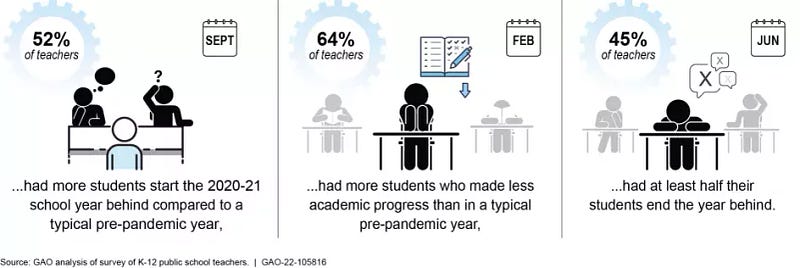
Chicago Public Schools (CPS) have met with a variety of challenges in their attempts to address the academic damage caused by the COVID-19 pandemic. Part of the problem for prior year of in-person instruction was the lack of humans in the building who were ready and able to serve students. As we emerged from the pandemic, some of us forgot our teacher voice. Others, well, let’s just say they found peace elsewhere other than the classroom. In response to the rapid decline in available professional educators, CPS hired academic interventionists, including classroom teachers, to help struggling students catch up on their learning. Although the move was met with some controversy arguing the job could have easily been done by existing teachers, academic interventionists proved to provide support to some of the most vulnerable and in-need students.
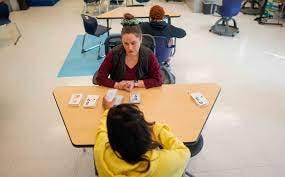
Academic interventionists (AIs) in Chicago Public Schools fulfill a vital role by providing targeted support and intervention to students who are facing academic challenges. AIs work closely with students on an individual or small group basis, tailoring instruction to address specific areas of weakness. By analyzing student data, including assessments and progress reports, interventionists identify learning gaps and track student progress over time, allowing them to make informed decisions about instructional strategies. Collaborating with classroom teachers and other educators, interventionists develop instructional plans and interventions that align with the curriculum and cater to the unique needs of each student. AIs employ a range of instructional techniques, such as multisensory approaches and technology tools, to engage students and enhance their understanding of difficult concepts. Through continuous progress monitoring, interventionists assess student growth, identify areas for improvement, and adjust instructional strategies accordingly. AIs also foster collaboration with teachers, administrators, and support staff to ensure a coordinated approach to student support. AIs may connect students and families with additional resources and support services, serving as advocates and providing guidance on accessing appropriate interventions beyond the classroom.
COVID-19 left CPS with myriad challenges for administrators and educators to addressing relative to the learning gaps exacerbated by the pandemic. Many students were performing at significantly lower grade levels in reading and math. AIs use digital platforms and tools to assess students’ progress and provide targeted interventions based on their individual needs. CPS has allocated a significant amount of funding, approximately $730 million, to support various initiatives aimed at academic recovery. CPS has implemented strategies such as expanding after-school programs, establishing an in-house tutor corps, and investing in teacher training. A primary focus is on providing extra support to students through interventions, counseling, and social-emotional assistance.
While there have been signs of progress, with students making gains in their academic performance, experts caution that it will take time for schools to fully recover from the pandemic’s impact. Standardized tests have shown improvements, but there is still work to be done to bring students up to grade level. The district faces the challenge of sustaining the recovery efforts once the federal COVID-19 relief funds are exhausted. Part of the problem is that AIs also need to addres not only academic gaps but also the trauma and social-emotional challenges that students may be facing. Educators acknowledge that these factors can complicate the process of catching up academically. AIs strive to create a supportive environment that helps students build confidence and overcome their educational challenges. Lacking the expertise to triage, diagnose, and treat mental illness do present a potential obstacle to care for students. In the long run, sometimes simply having a sympathetic ear is all we need. Venting is an artform that most of us perfected at one point during our formative years while working in the food service industry when we collectively complained about our manager or the customers or the way the soup of the day looked. Students need to vent, too. AIs can serve as a person to listen to a student and guide them to the support they might need.
CPS’ attempt to address the academic recovery needs of students who have been adversely affected by the pandemic has recently involved the use of AIs. AIs are serving on the front lines of CPS education spaced by providing personal and professional support and guidance to students, faculty, and administrators. All members of the academic community are shaken in some way from their experience during the pandemic. Many people lost family members and/or close friends. Many more lost their jobs, their homes, and/or their cars. CPS students experienced all the terrible and traumatic events that occurred to their family during the pandemic. Moving a student back to neutral where they can be receptive to learning requires patience and persistence on behalf of the professional educator. Most educators today barely have the patience to make it through their lesson plans. While the existence of AIs is an indicator that progress has been made, sustained and targeted interventions will be necessary to ensure students are adequately prepared for high school and beyond.


