
How a Prison Inmate Inspired Me to Start Investing
The one small mistake that is changing the world.
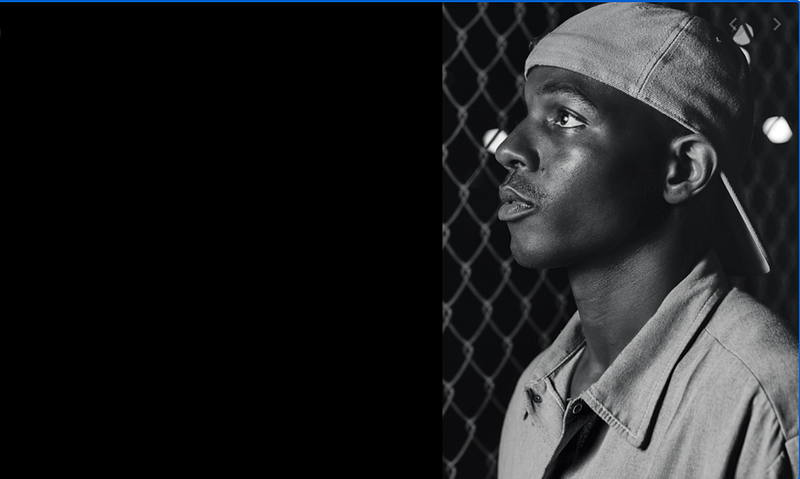
Curtis “Wall Street” Carroll grew up in the type of neighborhood you don’t want to walk through, not during the day, and definitely not at night. These streets are not kind to anyone, not even to those that live there.
“Money Rules the world and everything in it. In these streets, Money is king. If you follow the money, it will lead you to the bad guy or the good guy.” — Curtis Carroll
After that, he committed his first crime, and this was the first time that he was told he had potential. Never before had someone say they believed in him. He was still just a child.
No Hope for Success
Being illiterate and living in a neighborhood with few opportunities, crime seems like the obvious answer to have a shot at a prosperous life. It is a “by any means necessary” existence. You do what you have to do to put food on the table for your family. Selling your blood plasma can only help so much. You could stand in lines at soup kitchens on a daily basis, but drugs or robbery are much quicker ways to make ends meet. This is the financial literacy of the streets. It is equal opportunity, but at what cost?
When he was 17, Curtis was picked up for committing murder and was sentenced to life in jail. For most people, that is the beginning of the end. Still illiterate, he was fortunate to have been put in a cell with another prisoner that could read. One day, Curtis grabbed what he thought was the Sports section of the newspaper, so his cellmate could read it to him. He had accidentally picked up the Business section of the newspaper. What he did not realize was this mistake would forever change the course of his life.

“Hey, Youngster, you pick stocks?” asked Curtis’s cellmate. Curtis asked what stocks are since equity markets aren’t a part of the street survival curriculum.
“That’s the place where white folks keep all their money.” In a TEDx Talk that Curtis gave in 2017, he mentioned that this was the first time he had a glimpse of hope into a future. His cellmate went on to explain stocks and the basics of how they work. Curtis loved the idea of stocks but lacked critically important skills. He still could not read, write, or spell.
A New Chance at Life
People that grew up with even a basic academic education don’t realize how hard learning to read can be. If you have never seen a child learn a letter and then forget it, you perhaps have no concept of what it means to learn to read. If you yourself learned to read as a child, it’s likely just something you know how to do, with almost no memory of struggling to acquire this skill.
At the age of 20, Curtis made a decision to pick up a book and learn to read. It was an agonizing and excruciating experience. It is disheartening and humiliating to turn away from what you know and try to better yourself while amongst others that have already given up, admitting the defeats of settling for a life of mediocrity. Imagine being ridiculed because you want to improve yourself.
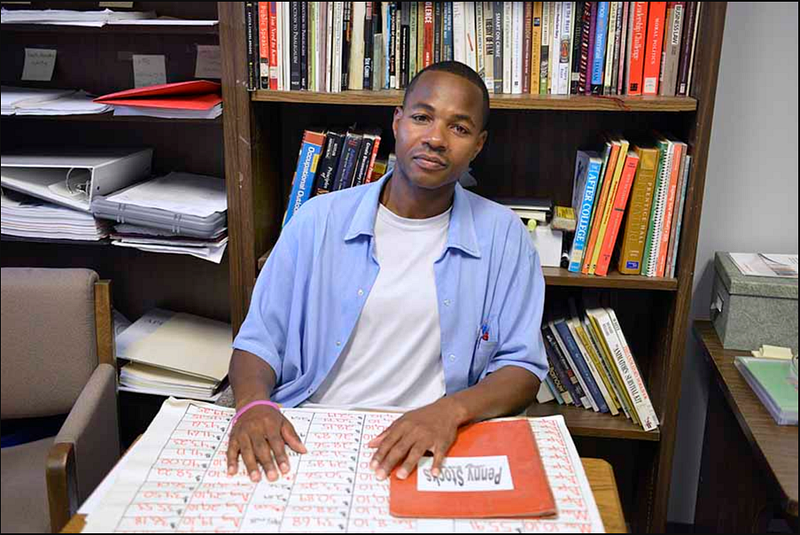
This pain would eventually lead him to have the greatest gift a person can have, the gift of literacy, literally unlocking a new world of possibilities that were never even on his horizon before. His new skill became apparent everywhere he looked. Candy wrappers, clothing logos, and posted signs always existed, but for the first time were accessible to Curtis Carroll. He would read anything he could get his hands on. Euphoric and full of hope, Curtis sought to use his newfound skill to better his life.
Moving to Wall Street
Now at the age of 22, Curtis remembered the words of his cellmate. As Curtis says in his own words, “I wanted to find these rich white folks.” His greatest source of information was the Business section, which he still had access to. He was learning the skills to invest and manage money, but he needed capital. Options are limited when you are in prison. You can’t get investors or fund managers to give you money. The only funds available are from the prison employment program.
The average monthly income of an inmate is between $30-$70. Most inmates spend that on snacks or give them to their family so they can buy cool new sneakers for them. Curtis would likely rather buy stock in Nike than pop for a new pair of Air Jordans.
These new financial skills and the income from their monthly employment, although small, allows Curtis and his new students to manage money just as people do when they aren’t incarcerated. His tenacity will pay off too.
In another news interview, Curtis explained that when a prisoner is released, they are given $200 and sent on their way. Imagine being locked up for years with no booze and no conjugal visits. Your first thought is likely not to use that $200 wisely. After a really fun night, a former inmate is left with no money and few opportunities. How long will it be before they return to the same crimes that landed them in prison in the first place?
Curtis, however, will be on a different path. Because he spent years investing his wages each month, buying stocks, he will feel the effects of compound interest. Rather than a measly $200, Curtis will likely have tens of thousands of dollars. He will exchange the shares of the companies he owns for the opportunity of a real-life on the outside—no need to revert to crime when you have an actual chance at success.
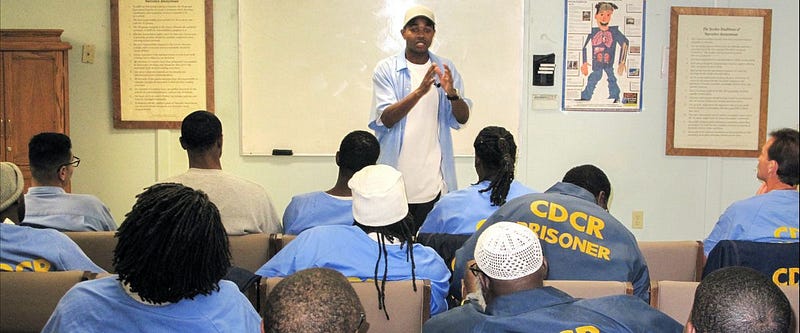
Curtis started teaching these financial skills to other inmates so that they could also have a chance at life on the outside. He is changing the world one person at a time.
My Turn to Succeed
It was this story that inspired me. I loved following stocks when I was in high school (a story for a different time), but it had been years since I looked at a ticker tape. Hearing Curtis’ story brought back that passion. While working and supporting a family, there isn’t much left at the end of the month to invest. But then I thought to myself, “Heck, if I just stopped drinking wine, I could come up with $30 a month. If he can change his life for $30 a month, so could I.”
This rekindled my love for the stock market. I started putting away a bit of money for my family and quickly realized with just a few changes, we could invest much more than $30. Wanting to learn more about investing, I eventually found out about Value Investing, which is the school of thought that made Warren Buffet his fortune.
Along the way, I realized that I could teach others about the very same concepts. Just as Curtis is teaching others, so am I.
I started making fun personal finance videos to help others understand things they thought you needed to be either rich or a financial genius to understand. It is now my mission to help others learn that personal finance is not all that hard. It takes just a bit of learning and some practice to get on the road to financial success.
More and more people tell me how much they enjoy the videos. I make jokes and wear funny costumes. I hope that while people are entertained, they learn the skills they need to improve their financial lives and the lives of their families.
It all started because a man sitting in a prison cell picked up the Business section of the newspaper. I am so happy he did. I hope that one day I can thank him face to face.
“Save, control the cost of living, borrow money effectively, diversify your finances. You need these skills. You don’t need professionals to manage your money. A professional knows his craft better than most. No one knows how much money you need, have, or want better than you! That means that YOU are the professional. Financial Literacy is not a skill; it’s a lifestyle. Financial stability is the byproduct of a proper lifestyle.” — Curtis “Wall Street” Carroll.
__________________
Click here for a free 6 day email course to teach you how to get started in the stock market. You will learn a bunch!
This article is for informational purposes only. It should not be considered Financial or Legal Advice. Not all information will be accurate. Consult a financial professional before making any major financial decisions.