avatarMukundarajan V N

Free AI web copilot to create summaries, insights and extended knowledge, download it at here

1970

Abstract

dney to their respective spouses.</p><p id="6a50">In August, last year, Tia Wimbush and Susan Ellis met in the office’s restroom. While they were washing hands, Wimbush suddenly remembered the two-year-old conversation about the kidney ailment of their spouses.</p><p id="de69">Wimbush asked a question to her friend that was destined to change their lives unexpectedly. She asked Ellis what her husband’s blood type was. It’s type ‘O’, replied Ellis. Wimbush said her husband was type ‘AB’.</p><p id="7e58">Suddenly the same thought struck both of them — they were potential kidney donors to each other’s spouse. It was a moment of epiphany.</p><p id="570d">They decided to do an antibody test and to their delight, they found they could each donate a kidney to the other's husband.</p><p id="1a81">On March 19, this year, surgeon Clark Kesinger and the team at the <i>Piedmont Atlanta Hospital </i>performed four marathon surgeries to complete the procedures of extracting the kidneys and transplanting them on the beneficiaries.</p><p id="a727">Tia Wimbush donated one kidney to Lance Willis and Susan Willis gave one of hers to Rodney Wimbush.</p><h2 id="5adb">Final thoughts</h2><p id="77be">Miracles never cease to happen. They may seem to happen unexpectedly but if we look at every miracle we see a pattern — acts of kindness and sacrifice by courageous participants and a happy congruence of enabling circumstances.</p><p id="1ed3">Tia Wimbush and Susan Ellis sought each other’s help unreservedly. They defied the tyranny of social prejudice; they transcended manufactured racial stereotypes. Humanity shares needs, aspirations, and values irrespective of the narrow identities that societies impose on the people.</p><p id="54f1">We share the same physiology and evolutionary heritage, whatever be our skin colour, religion, and political beliefs.</p><p id="e60c">Tia Wimbush and Susan Ellis transformed their friendship into a kinship. They are role models f

Options

or reciprocal kindness. According to Ellis:</p><blockquote id="148a"><p>It’s really just a story about simple kindness. For us, the kindness came in conversation and in reaching out to a colleague. It started with two people just being good humans. Now we’d like to tell people they can do the same.</p></blockquote><p id="4e2e">Tia Wimbush and Susan Ellis have shown how free and open communications can lead to solutions for shared problems.</p><p id="f543">Friendship’s tryst with kindness attracts the Universe’s benign gaze and blessings. It can open the doors to life-saving miracles.</p><p id="88fa">Thanks for reading.</p><p id="ccc7"><b>Reference</b></p><p id="6323"><a href="https://www.washingtonpost.com/lifestyle/2021/06/29/kidney-donate-transplant-husband-coworker/?utm_campaign=wp_the_optimist&amp;utm_medium=email&amp;utm_source=newsletter&amp;wpisrc=nl_optimist&amp;carta-url=https%3A%2F%2Fs2.washingtonpost.com%2Fcar-ln-tr%2F340a1c7%2F60dc6aeb9d2fda8060ef82b2%2F596bef059bbc0f403f9b6941%2F8%2F47%2F60dc6aeb9d2fda8060ef82b2">https://www.washingtonpost.com/lifestyle/2021/06/29/kidney-donate-transplant-husband-coworker/?</a></p><p id="51d7"><i>This story was brought to you by Spread the Ripple. We are a publication dedicated to kindness. Kindness is our superpower. Read more stories and come and write with us here:</i></p><div id="b7c7" class="link-block"> <a href="https://medium.com/spread-the-ripple"> <div> <div> <h2>Spread the Ripple</h2> <div><h3>We spread the ripple of kindness. This is the place for stories on kindness. Let kindness be your superpower.</h3></div> <div><p>medium.com</p></div> </div> <div> <div style="background-image: url(https://miro.readmedium.com/v2/resize:fit:320/1*1x0obTrx8ydPgO6lthfHcw.jpeg)"></div> </div> </div> </a> </div></article></body>

How a Life-Saving Miracle Happened When Friendship Matched With Kindness

Two friends donate a kidney each and save their husbands’ lives
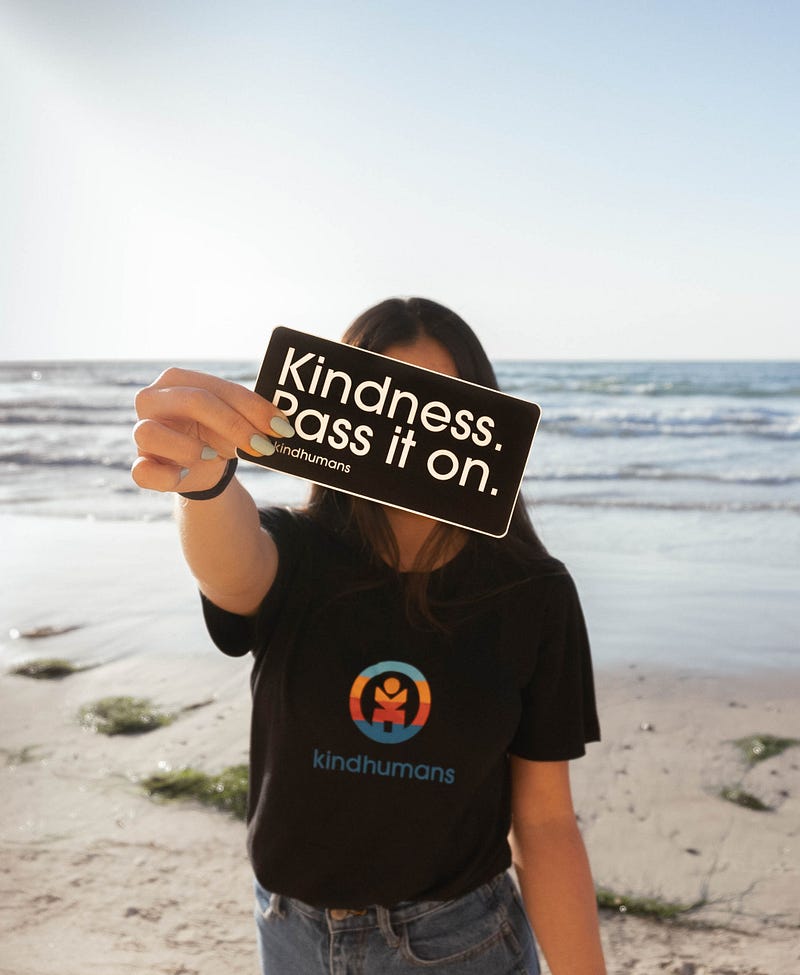
Photo by Mei-Ling Mirow on Unsplash

A miracle is extraordinary not because it made the impossible possible. A miracle surprises us and fills us with awe and delight because it occurred in the most unexpected manner.

Serendipity or a happy accident has enormous power to produce miracles and to transform lives. Paradoxically, one has to prepare the ground to trigger this lucky accident. Miracles happen when circumstances align in a fortuitous combination as people reach out to one another seeking solutions and remedies to identical problems.

Paired organ donation is a very rare occurrence. It’s not often that two people donate organs to each other’s family members because donor-donee matching has to pass the antibody test. When it happens, it’s a miracle.

A miracle happened recently.

A chance conversation open the doors to a miracle

Tia Wimbush and Susan Ellis are colleagues in the IT division of the Children’s Healthcare of Atlanta. They have been together for about a decade. Two years ago they came to know they shared a common problem- both their husbands were on dialysis and needed a kidney transplant.

Patients on dialysis depend on cadaver organ donation and the waiting list for a kidney is long. It might take a minimum of five years before a dialysis patient can hope for a transplant. Neither Wimbush nor Ellis was a match to donate a kidney to their respective spouses.

In August, last year, Tia Wimbush and Susan Ellis met in the office’s restroom. While they were washing hands, Wimbush suddenly remembered the two-year-old conversation about the kidney ailment of their spouses.

Wimbush asked a question to her friend that was destined to change their lives unexpectedly. She asked Ellis what her husband’s blood type was. It’s type ‘O’, replied Ellis. Wimbush said her husband was type ‘AB’.

Suddenly the same thought struck both of them — they were potential kidney donors to each other’s spouse. It was a moment of epiphany.

They decided to do an antibody test and to their delight, they found they could each donate a kidney to the other's husband.

On March 19, this year, surgeon Clark Kesinger and the team at the Piedmont Atlanta Hospital performed four marathon surgeries to complete the procedures of extracting the kidneys and transplanting them on the beneficiaries.

Tia Wimbush donated one kidney to Lance Willis and Susan Willis gave one of hers to Rodney Wimbush.

Final thoughts

Miracles never cease to happen. They may seem to happen unexpectedly but if we look at every miracle we see a pattern — acts of kindness and sacrifice by courageous participants and a happy congruence of enabling circumstances.

Tia Wimbush and Susan Ellis sought each other’s help unreservedly. They defied the tyranny of social prejudice; they transcended manufactured racial stereotypes. Humanity shares needs, aspirations, and values irrespective of the narrow identities that societies impose on the people.

We share the same physiology and evolutionary heritage, whatever be our skin colour, religion, and political beliefs.

Tia Wimbush and Susan Ellis transformed their friendship into a kinship. They are role models for reciprocal kindness. According to Ellis:

It’s really just a story about simple kindness. For us, the kindness came in conversation and in reaching out to a colleague. It started with two people just being good humans. Now we’d like to tell people they can do the same.

Tia Wimbush and Susan Ellis have shown how free and open communications can lead to solutions for shared problems.

Friendship’s tryst with kindness attracts the Universe’s benign gaze and blessings. It can open the doors to life-saving miracles.

Thanks for reading.

Reference

https://www.washingtonpost.com/lifestyle/2021/06/29/kidney-donate-transplant-husband-coworker/?

This story was brought to you by Spread the Ripple. We are a publication dedicated to kindness. Kindness is our superpower. Read more stories and come and write with us here:

Kindness
Kindness To Others
Spread The Ripple
Life
Friendship
Recommended from ReadMedium