
How A City Restored My Love for America
Thank you Los Angeles!
The young girl in the pink puff jacket was sitting on a small four-wheeled plastic car low to the ground. Her bright white teeth were expressing something big, an enthusiasm only matched by her shuffling feet kicking her body into motion.
She spun and spun in circles around her parents sitting on the curb of Martin Luther King Boulevard in Los Angeles.
Her tight cornrows on her head were like small exclamation marks guiding her enthusiasm to be part of a bicycle festival on this sunny day.
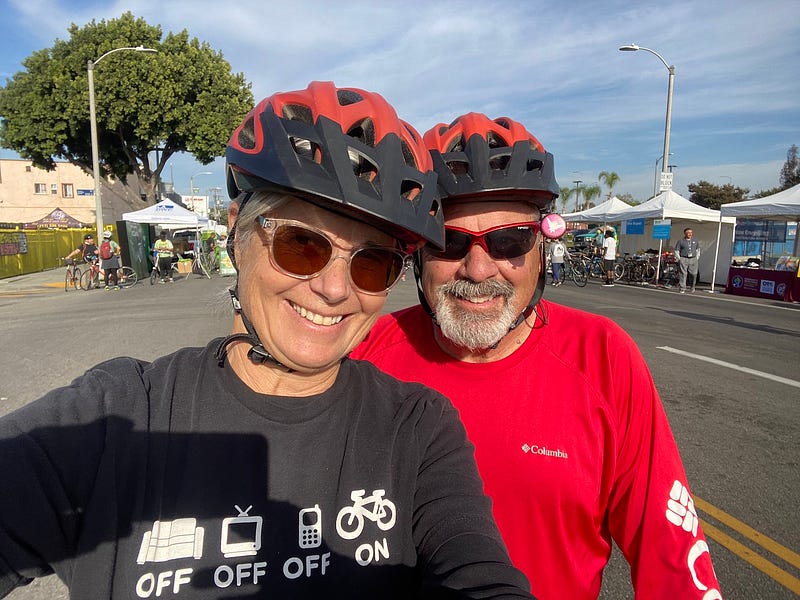
I was deep in the heart of South Los Angeles with my husband and thousands of other bicycle enthusiasts.
It was Ciclavia, the bimonthly festival of community, and human-powered mobility, in arguably the most car-centric city in America, Los Angeles.
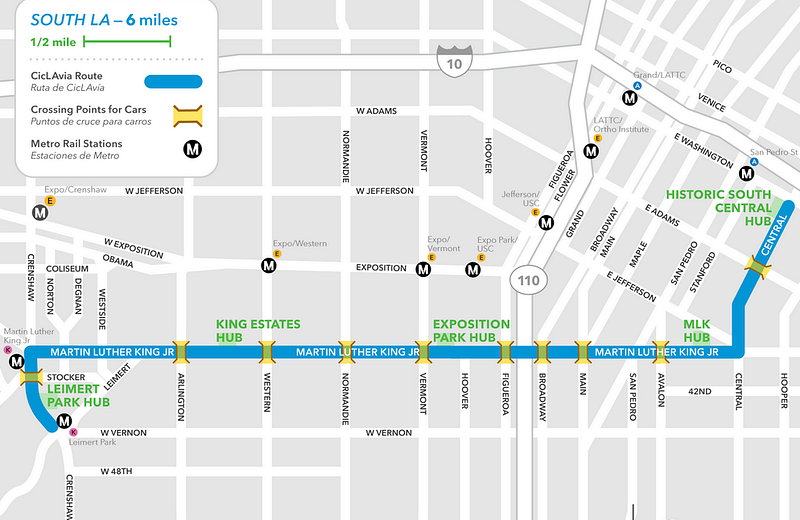
Each Ciclavia is in another part of LA.
It started a few years back and has grown to become more than a bike fest. It is a coming together for a greater good; family, community, and the city.
I had plenty of other things to do this December Sunday, Christmas shopping, house cleaning, and laundry after my almost three-week-long trip across the country for a documentary I was working on about democracy in America.
But there was something about stepping back into Los Angeles that I needed, it was like a magnet with a force I couldn’t resist. Something inside me said, go. This city of angels had beckoned me to come back and be a part of the America I love.
America today looked black, brown, peanut butter, carmel, vanilla, and butterscotch. It smelled like patchouli, lavender, rose and honeysuckle. It tasted of kimchi, pico de gallo, smokey barbecue sauce, and papusas.
It felt cozy and soft like the December baby blue sky of southern California. It sounded like syncopated electronic beats, smooth R&B, and ranchero brass. It came in various shapes and sizes of all the people who came to this country to make it their home.
As we rode down the streets on our small Brompton folding bikes, the cult-like English commuting rides, we passed all kinds of bicyclists.
There were people on lowriders. Their chromed-out Schwinns with the high handlebars looked like a cross between a tricked-out Harley and a bouncing 1960 Chev Impala. The crew on their rides wore blue LA Dodger jerseys and black Raiders regalia, and purple and gold LA Lakers hoodies.
Alongside them was a large man on an electric RAD bike pulling a trailer with a boombox the size of a small refrigerator playing old Tupak Shakur tunes. The words, “California” bounced off the craftsman houses around Leimert Park and right back into the heart of all the riders near him, like a unified celebration of the word and this place.
This is what I came for, my city, my world, my America.
Yes, Los Angeles is a tough place, like all American cities. LA is where hard work clashes with the inequities of American society which often results in despair, crime, and most of all homelessness. LA has had really bad times but for me, it is a microcosm of the country itself. It tries, it keeps going, and most of all it feels welcoming.
When I recently ventured out into this country to find out how people perceived the state of democracy, I was anxious.
I love this country and it pains me to see it splitting. I wanted to blame something, someone. But who? Was it even good to point fingers? Wasn’t that what the problem was? I was tired of the “othering”. I wanted to reach out and be with them, all of America.
There was the good, the curious, and even the ugly.
What I did see was good people trying. I may not agree with everyone but everyone was trying. In their way, they were trying to make sense of it, just like I was.
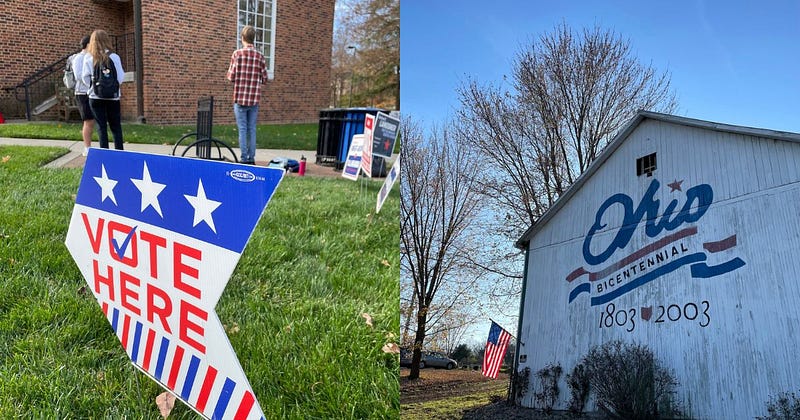
I saw young people in Ohio working to get other young people to supercharge their civic engagement by busing people to the polls for elections in early November.
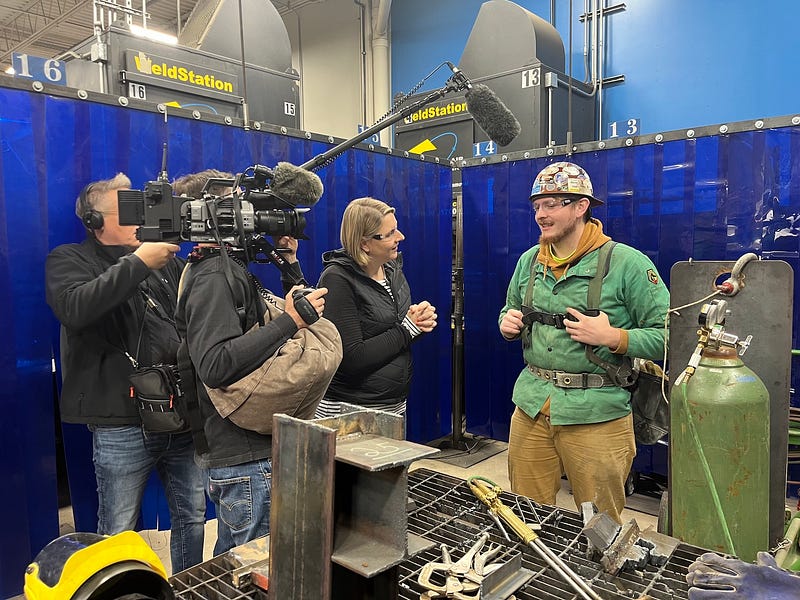
I saw ironworkers in Kentucky learning their trade and proud to build American bridges and skyscrapers excited about every weld and rivet in every piece of steel they touched or climbed. The cowboys of the sky couldn’t contain their excitement as they smiled through the interviews. They embodied the best of made-in-America.
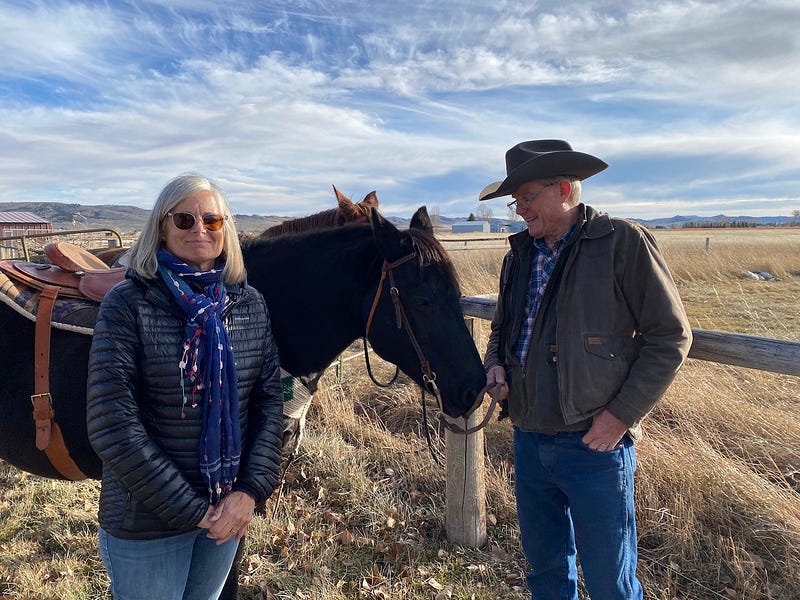
I met small business owners and cowboys in Wyoming struggling to hold together a Republican party that believes in law and justice and a two-party system.
I felt the cowboy’s pain as he talked about long horse rides into the mountains and his dreams of the future where he could still sing his patriotic songs and feel proud to be an American.
And I saw people in Tennessee who felt the only way forward in this country was to blindly follow a single man as if he was a messiah that will lift them up out the hills and hollows.
I listened to their songs about love, and God, and family and didn’t understand how they were not like me?
I also saw hate in the woods on a lonely gravel road somewhere in the hills of Tennessee. It was hanging next to an American flag but separate, as if to say, Yes America, but there is something else, a darker force.
It was the flag of hate and separation, the Confederate battle flag with the words, “In God We Trust,”.
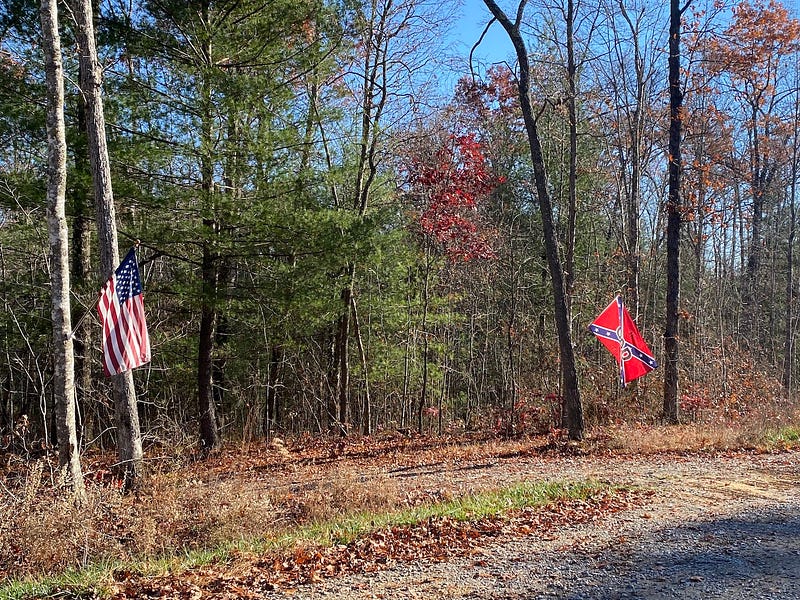
It stings my soul to remember that image. The 6-mile bicycle route in Los Angeles today does everything to connect people and places. Hate was not on the streets today. It's like a distant nightmare playing out somewhere else, on headlines, and social media feeds.
While riding through Los Angeles today I saw so much.
On one block I see a woman handing out pulled pork sandwiches she was making on a grill the size of a European city car, she smiled as she shared her feast.
Just a few miles down there was a group of old Asian men in lawn chairs smiling and nodding.
On the last mile, there was a barber who had his doors wide open and was playing “cumbia” music and waving at the family who had decorated their bikes in gold, silver, red and green Christmas tinsel. Love was in the air today in Los Angeles.
My day at the Ciclavia was a cleansing. It washed away all the offensive symbols I saw in other places. I needed it. I needed to see the freshly painted black and white Dr King mural waving back at me. I needed to see the faces of diversity that make Los Angeles and America so special. I needed to be with my Americans who believe in togetherness and community.
Thank you Los Angeles. I needed you today.
Audrey Stimson is a writer living in a green house with her husband and a dog. When she is not writing essays and short stories she works as a television news producer. She is currently working on a forthcoming book about a bicycle trip across the United States. More about Audrey on her website .