
How 3D Printing Is Changing Design as We Know It
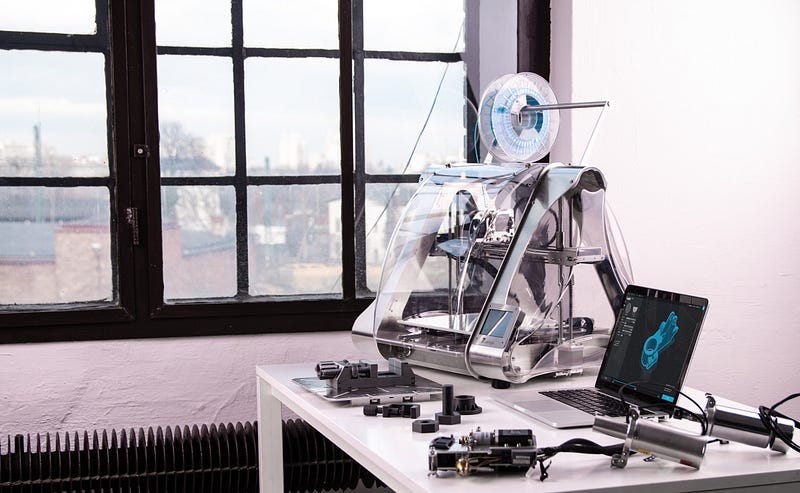
While 3D printed projects can now be seen in a variety of architecture and design blogs, the general public does not consider it a viable alternative to traditional means. Nonetheless, 3D printing has the potential to change architecture and design forever including the way buildings and artwork are created and how they are conceptualized.
Not only is 3D printing a more sustainable way to build buildings, but it also saves on energy and labor costs and has applications for interior design. Whereas interior design used to be limited by materials, with 3D printing, it’s possible to make shapes and textures that are only limited by the imagination. Keep reading to discover the many ways 3D printing is changing the design as we know it.
How 3D Printing Is Changing Architecture
Sustainability
Building construction is a process that takes a lot of time, effort, and resources, financial and material. Unfortunately, construction is one of the main contributors to waste and pollution. Traditional construction materials like concrete, wood, and asphalt generated over 500 million tons of waste in the U.S. during 2017.
Using 3D printing technology in architecture is a step ahead to sustainable construction. As most 3D printing materials are made from recycled plastic, there is little or no carbon footprint in their production. Also, 3D printed construction materials last much longer than the traditional ones.
Concept Design
Before any land is dug up or concrete is poured, one of the first steps in the construction process is coming up with a concept model. Concept models allow architects and investors to visualize the final result of the project. However, it takes a lot of time and resources to make them.
By applying 3D printing to concept design, the process is simplified drastically. A concept model of much higher detail and quality can be produced in a fraction of time. With such an efficient option available, more and more architects are opting to 3D print their concept models instead of making them by hand. It can even be used to adapt your space to changing needs, such as a work environment as opposed to a relaxing zone.
3D Printing in Interior Design
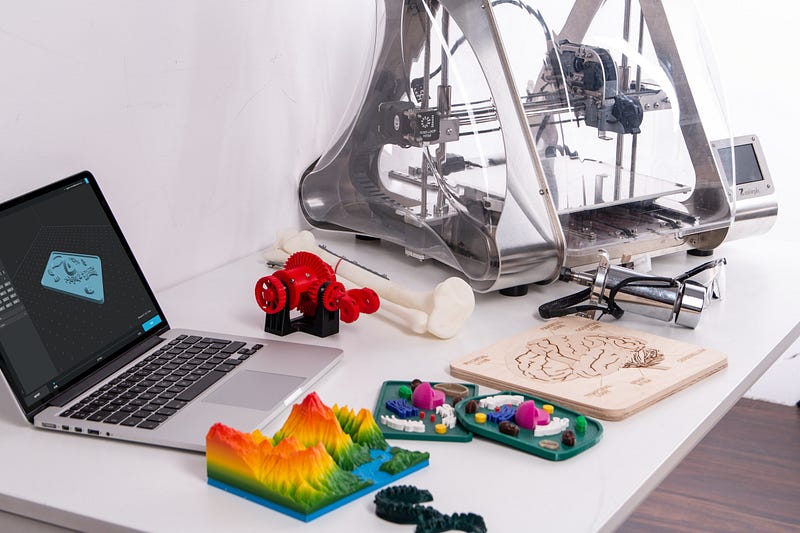
3D printing can revolutionize interior design as well. It allows designers to easily conceptualize and create objects for home decor, like cabinets, drawers, lamps, tables, and chairs. The advantage of 3D printing in interior design is that once the design is made, it’s a relatively quick, inexpensive process to print it. Combined with other interior design concepts like biophilic design, 3D printing can help to make any space more pleasant and productive.
Increased Efficiency
3D printing has the potential to streamline interior design, by reducing both the cost and the time it takes to execute a design. Money that you would have previously spent on labor, materials, and machinery to make your design can now be used in other areas. In addition to this, just think of all the money that you’ll save on shipping costs, waste elimination, and travel expenses for those materials and also the experts you would have used before. By 3D printing in one place, you’ll save money on all these costs.
In addition to saving your money, 3D printing your interior design objects will also save you time. With the right materials, you can have a freshly printed 3D object for your home in just a few minutes.
Enhanced Customization
Another way 3D printing is changing the interior design is in designer-client cooperation. With the enhanced customization capabilities 3D printing provides, clients can now take a larger part in the design process. For example, clients can choose the size or color while keeping the design intact.
Owing to this innovative technology, the design process will be able to focus more on customization and on the client’s specifications. Also, 3D printing can allow interior designers to produce their products at a much higher rate, taking a real advantage over the competition.
Finishing Up
There are many advantages to using 3D printing in architecture and interior design and technology is a reality of today, not a distant future. As interior designs get more access to 3D printers, 3D printing is quickly becoming an indispensable part of the design process. Who knows, maybe we’ll use the design blogs not only to get the design inspiration but to download and print out the exact product or the whole design we like.