
How 2024’s UI/UX Trends Can Propel Your Business Ahead
As we enter 2024, the digital landscape is changing at a rate never seen before, and this is having a profound impact on the UI/UX design community.
It’s important to recognize and embrace these trends if you want to remain ahead of the curve rather than just keep up. Using the newest UI/UX trends will help you stand out from the competition in the cutthroat world of digital marketing and captivate your audience.
1. 3D Immersive Design
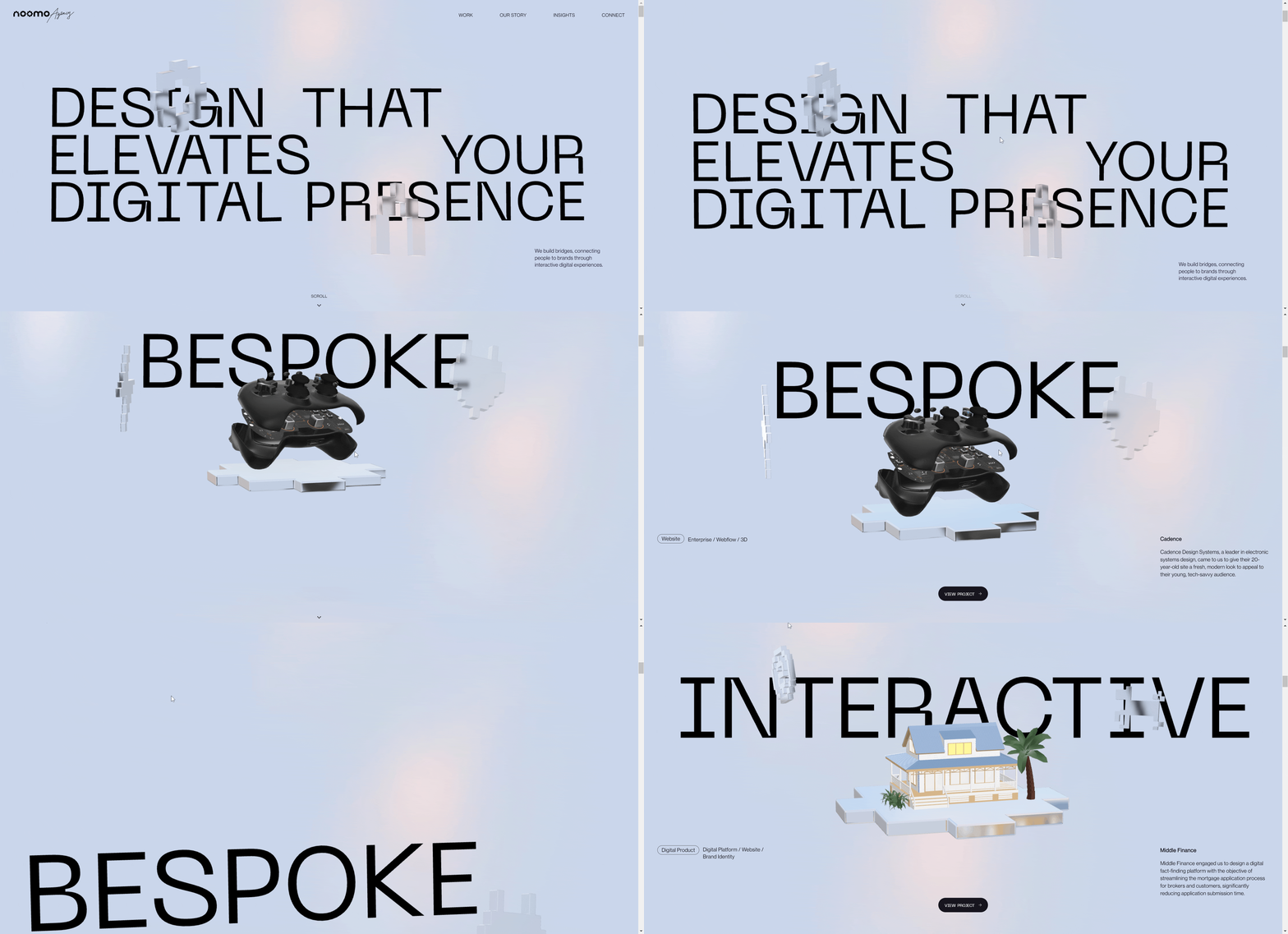
In 2024, the advent of 3D immersive design in UI/UX is revolutionary, representing a substantial shift from conventional, flat designs to dynamic, multi-dimensional interfaces.
Users’ interactions with digital platforms are being reshaped by this trend, which offers an unmatched degree of realism and involvement. Here’s a detailed look at the factors that make 3D immersive design so popular this year:
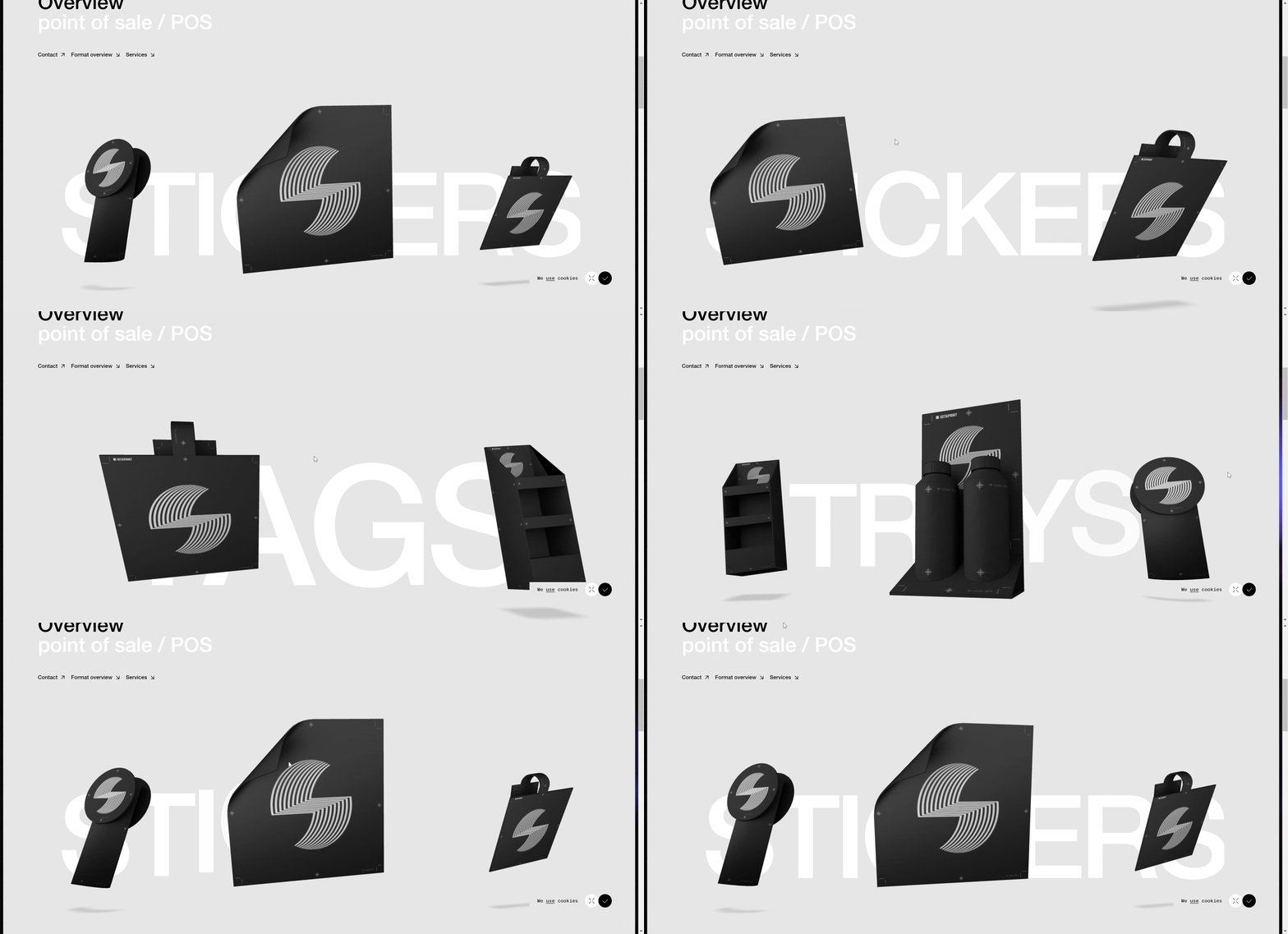
By utilizing new-gen tools like spline, webflow or framer, we can create 3D animations without almost any technical knowledge.
- Transforming e-commerce and Beyond: Using 3D design elements allows customers to view things from all angles, resulting in a virtual “try before you buy” experience. This is particularly revolutionary for e-commerce. But the benefits of 3D design go much beyond internet buying.
- Bridging Digital and Physical Realities: The capacity of 3D immersive design to conflate the digital and physical domains is one of its most alluring features. Not only can 3D features add visual value to augmented reality (AR) and virtual reality (VR) situations, but they are also crucial to the creation of a convincing, interactive world.
- Improving User Intuition and Engagement: 3D designs’ realism and depth do more than only attract the eye; they also improve the ease and enjoyment of digital interactions.
Key Takeaways for Designers and Businesses:
- Use 3D Elements Cautionfully: Even though 3D design might be fascinating, it’s crucial to use these components sparingly to prevent overwhelming users. Instead than impeding the user experience, they ought to improve it.
- Put an emphasis on user-centric design: Improving user comprehension and interaction should always be the main priority. 3D designs have to improve the user experience and be intuitive.
- Invest in Technology and Skills: Having the appropriate technology and skills is crucial if you want to stay ahead of this trend. This contains programs that can produce excellent 3D visuals and designers that are knowledgeable about 3D modelling and animation
2. Bento Box Layouts
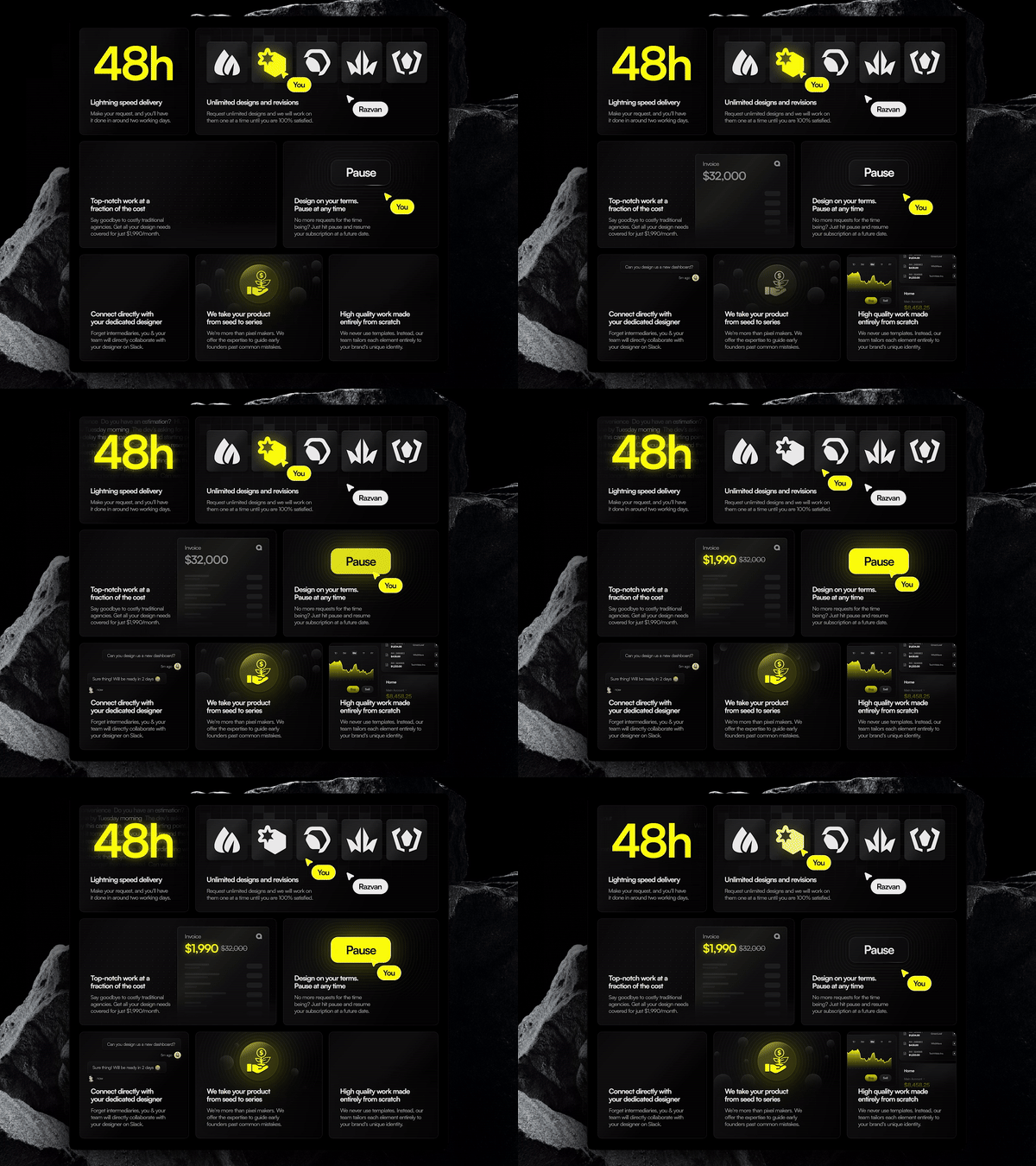
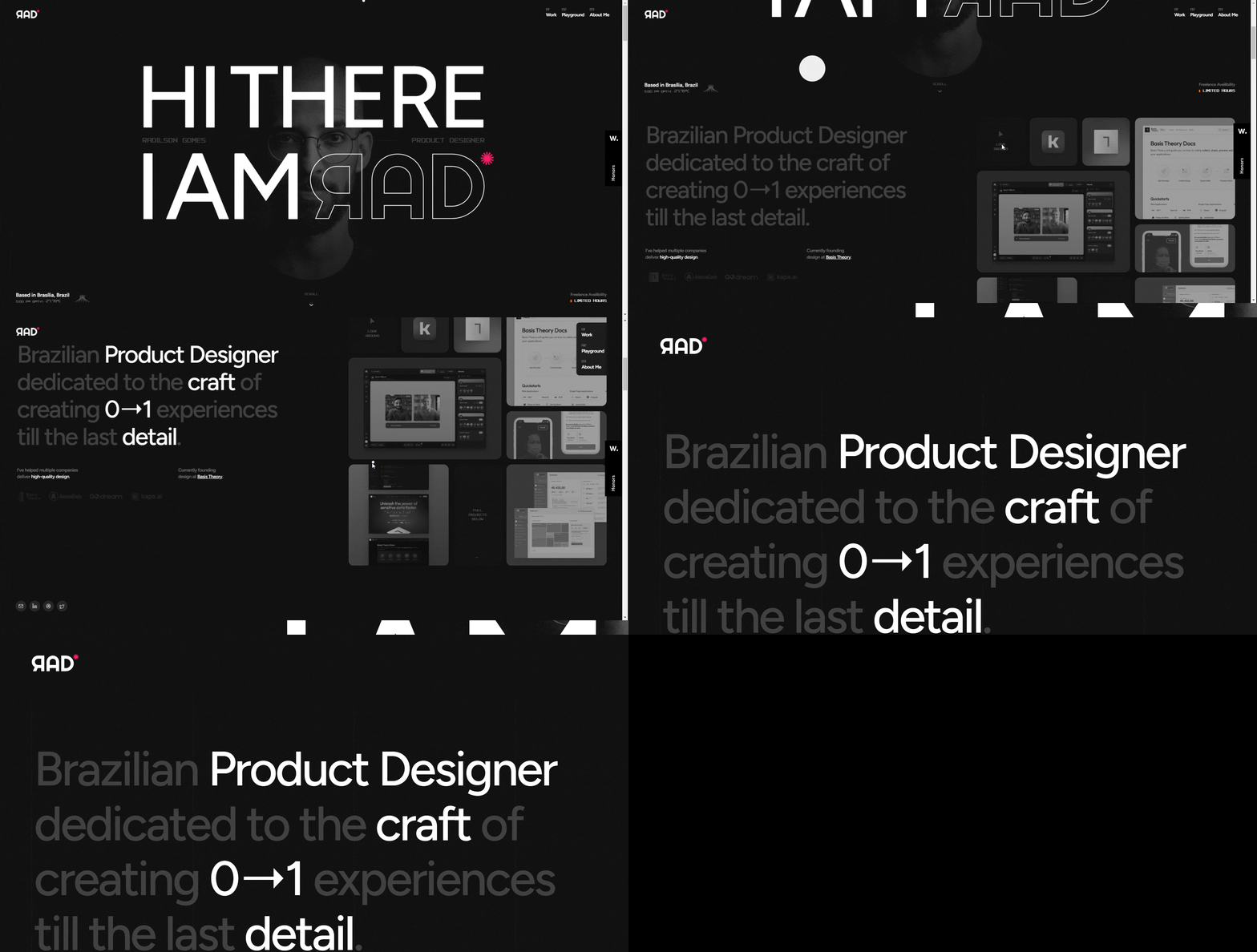
2024 highlights a new trend in UI/UX design, borrowing influence from the exquisite simplicity of Japanese bento boxes. This method, known as “Bento Box Layouts,” is revolutionizing the way digital content is arranged. Here’s why both designers and users are starting to appreciate this trend:
- Strategic Organization: This layout technique divides material into discrete sections or compartments, much like a well-made bento box. Because of its clear, well-organized, and visually appealing interface, this structure improves user experience by making content consumption simple and navigation straightforward.
- Improving User Focus: By dividing content into distinct sections, users may concentrate on a single piece of information at a time, which lessens cognitive overload. This targeted strategy works particularly well to improve the impact and clarity of the information that is provided.
- Platform-Adaptable: The Bento Box layout is flexible, adjusting to fit a wide range of screens and gadgets. This design guarantees a consistent and interesting user experience across all platforms, including desktop websites, mobile apps, and tablet interfaces.
Key Takeaways for Designers and Businesses:
- Accept Structured Creativity: The Bento Box design provides a special fusion of creativity and structure. It’s a call to action to arrange information in a visually beautiful and practically effective manner.
- Differentiate Your Digital Presence: By implementing the Bento Box layout, companies may stand out from the competition with a unique and distinctive user experience, increasing customer loyalty and brand recognition.
3. Large Typography
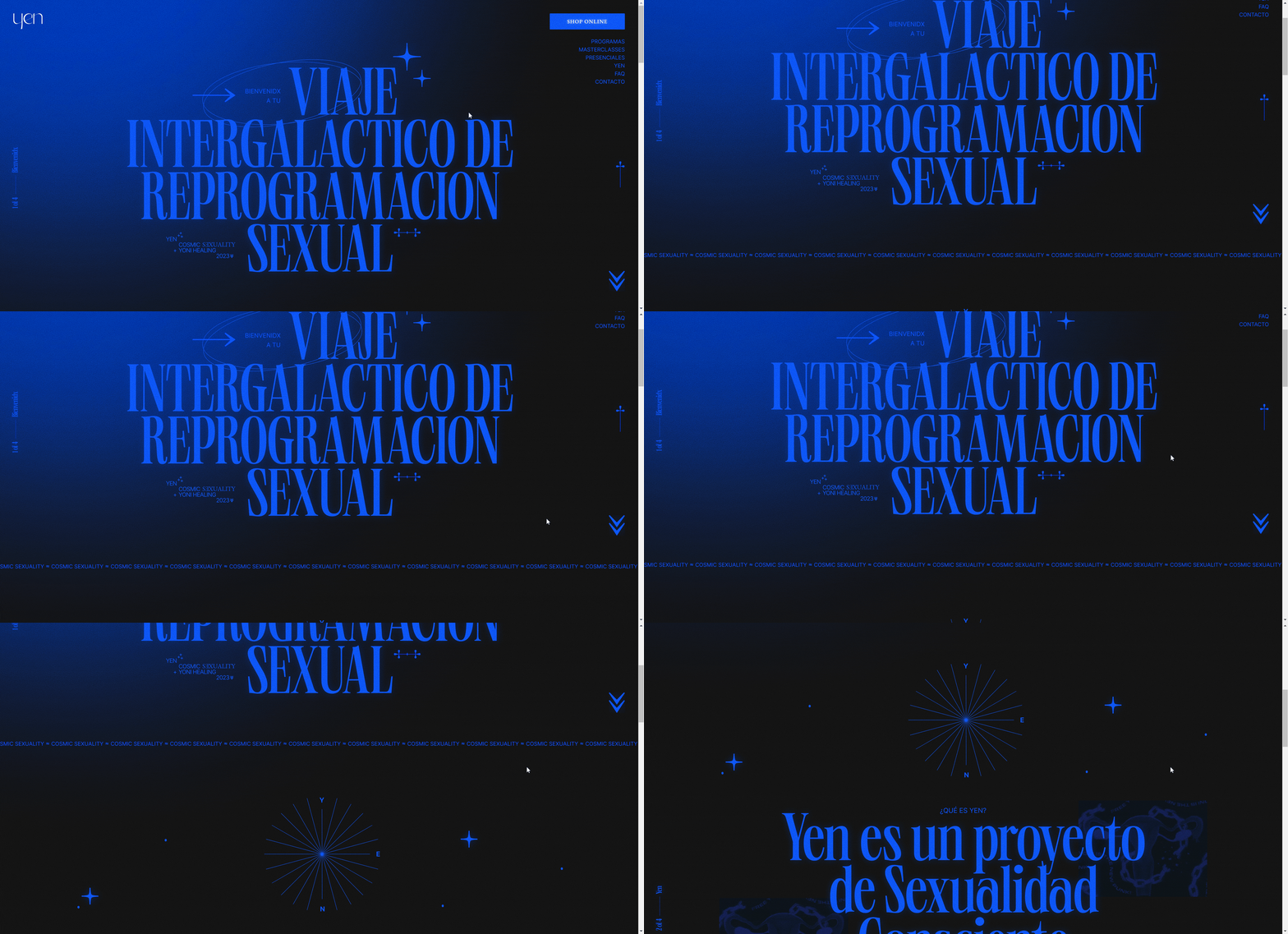
Giant typeface is sweeping the UI/UX industry in 2024, grabbing attention and drawing comments like never before. This trend is about making a strong statement, having an impact, and powerfully influencing the user experience — it’s not just about size. Let’s investigate the dynamics and depth of this trend.
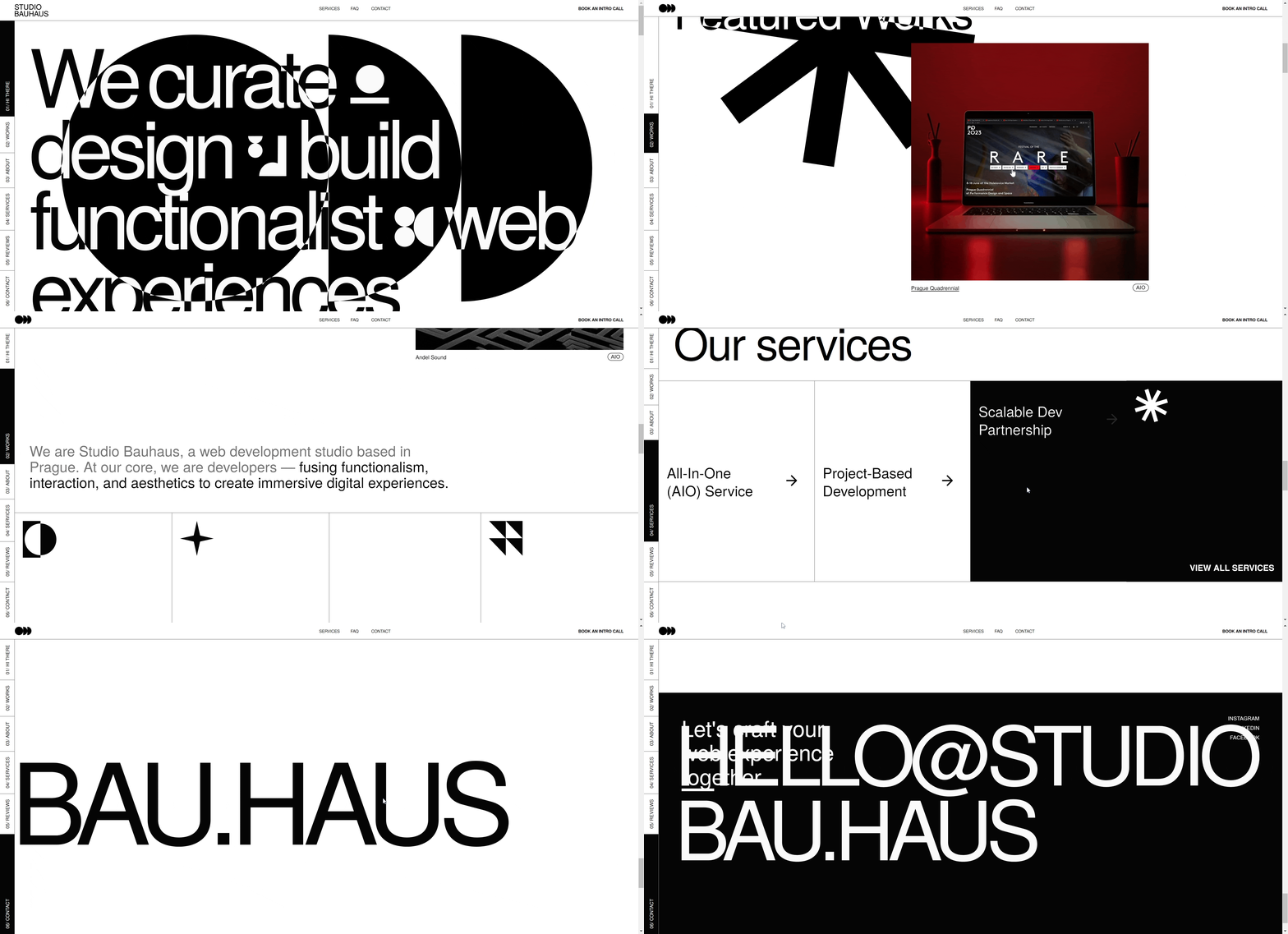
- Bold Visual Impact: Massive typography is a powerful strategy for drawing users’ attention since it makes a strong visual impression right away. Websites and apps can effectively and memorably communicate their message by using bigger lettering, making sure that important messaging yells rather than merely whispers.
- Emotional Connection: Letters and numbers have the ability to arouse feelings. Big, strong typefaces can be used to portray humor, elegance, or sophistication. They can also be used to communicate strength, confidence, and urgency. In order to establish a connection with the user and improve their entire experience, this emotional resonance is essential.
- Improved Readability and Accessibility: It may surprise you to learn that large typeface has functional benefits beyond aesthetics. Readability is enhanced. Larger font is easier to read, particularly on mobile devices, which increases the accessibility of content for a wider range of users, including those who are visually impaired.
- Integration with Other Design components: This style frequently complements other design components such as stark color palettes, simple layouts, and compelling images. These components work well together to produce a unified and engrossing user interface.
Key Takeaways for Designers and Businesses:
- Make a Statement: To effectively communicate your brand or goods, use large typeface. It’s a chance to deliver your main point in a way that will not be ignored.
- Balance is a Key: While massive typography has an impact, it’s crucial to balance it with other design components. Utilizing it excessively can result in a cluttered interface, therefore its use should be deliberate and should not overshadow the overall design.
- Think About User Experience: The user experience should always come first. Massive typography should enhance, not impede, the user’s experience on your online platform.
4. AI Customization
With the introduction of AI-driven personalization in 2024, UI/UX design will have reached a major turning point. With its unparalleled ability to customize user experiences, this trend is raising the bar for personalization. Now let’s explore how AI personalization is changing the online environment.
AI is still a terra incognita for many people, and I believe that in this realm there lay a huge opportunity if used well.
- Predictive User Experiences: AI does more than just customize; it predicts. AI can foresee future wants and preferences by evaluating user data and providing suggestions and material that people value. This predictive strategy can turn a passive user experience into an active and engaging one.
- AI-Integrated Chatbots: Chatbots powered by AI are revolutionizing user support and assistance. These chatbots offer a smooth and engaging user experience by answering questions, making tailored recommendations, and even helping with navigation. Over time, they become more and more efficient because of their capacity to learn from user interactions.
Key Takeaways for Designers and Businesses:
- Accept AI with Responsibilities: Applying AI calls for careful consideration, especially with regard to user privacy and data security.
- Remain focused on the user: AI customisation should constantly aim to enhance user experience by taking into account actual user wants and preferences.
- Continue Inventing: Artificial Intelligence is developing quickly. UI/UX designers may effectively use AI by remaining knowledgeable and creative.
As we conclude our exploration of the most influential UI/UX trends of 2024, it’s clear that the future of digital design is not just about aesthetics or functionality; it’s about creating experiences that resonate, connect, and engage on a deeper level.
From the immersive depth of 3D design to the organized elegance of Bento Box layouts, the bold statements of giant typography, and the personalized touch of AI-driven customization, each trend represents a leap forward in how we interact with technology.