
Household Debt will be the Next Pandemic
How to reduce your debt and stay ahead of trouble

Debt is a worldwide problem that affects more than seventy percent of the world’s population; a number that truly boggles the mind.
Whether it’s because of trend-loyalty or pandemic related unemployment, more and more people are living outside their means.
For some people, they accept debt as a norm; trying not to put too much thought into it. They continue to live their daily lives while the debt sits there, growing and eating away at their hopes for a better life and the possibility of achieving their goals.
We live by the logic that having debt is normal, that it’s just a part of life. You have student loans, car loans, credit cards, and a mortgage, and that’s just the way it is. The Global consumer debt tally as of 2020 is currently standing at $253 Trillion, which goes to show the true scale of the problem.

Good Debt vs Bad Debt
So, let’s talk about debt. What is debt? In the financial world, there is a common belief that there are two kinds of debt, good debt and bad debt.
Good debt is any kind of debt that leads toward building wealth long term, such as a home loan. Owning a home is (when the numbers are right) a worthy investment when the property is positively geared.
If you live in a house and the mortgage is below rental prices in your area, you’re positively geared. (So long as your debt is being paid back). If the property is an investment and your tenants are paying more than the mortgage is costing you, you’re also positively geared.
Bad debt is debt that diminishes your wealth over time. It exists as purchases that don’t retain value and leads to a life that’s lived outside your means.
One example of bad debt is a $30,000 loan for a car that immediately loses value as soon as you drive it off the lot.
No matter how badly you wanted that new Mitsubishi Lancer, it’s not worth getting into debt for. In the end, you’ll be forced to pay thousands of dollars more in interest than the car is worth, backing you into a corner financially.
For some people, their idea of debt only includes credit cards and car loans, but excludes their mortgage. But it’s important to remember that all debt is a commitment, and like all commitments, you’re always taking on risk when you take on debt, even good debt.
Debt is Everywhere
The simplest way of reducing your debt is creating a budget that mindfully attacks your everyday expenses. Changes can include eating at home more, cancelling your Netflix subscription, cutting your own hair, renting out your spare room out, or riding a bike to work.
When you set a goal to lower your expenses, the possibilities are endless. Set a goal to pay off your mortgage in a shorter time frame, and your lifestyle will improve as the interest goes down.
One country that has an absolutely enormous level of household debt is my native Australia. The average Australian household debt has risen rapidly over the past three decades, with the ratio of household debt to income going from 104% to 212% in just ten years. This means the average person earns $80,000 net but is spending $169,600 per year. It makes one shudder to think of where it will be in another ten years.
Let’s examine credit card debt.
This little stinker is something that most of us could probably live without. Granted, for some of us, our credit card is something that we fall back on in the case of emergencies.
To that point, credit card debt rose due to the Bankruptcy Protection Act of 2005. The Act made it harder for people to file for bankruptcy. As a result, they turned to credit cards in a desperate attempt to pay their bills. Credit card debt reached its all-time peak of $1.028 trillion in July 2008.
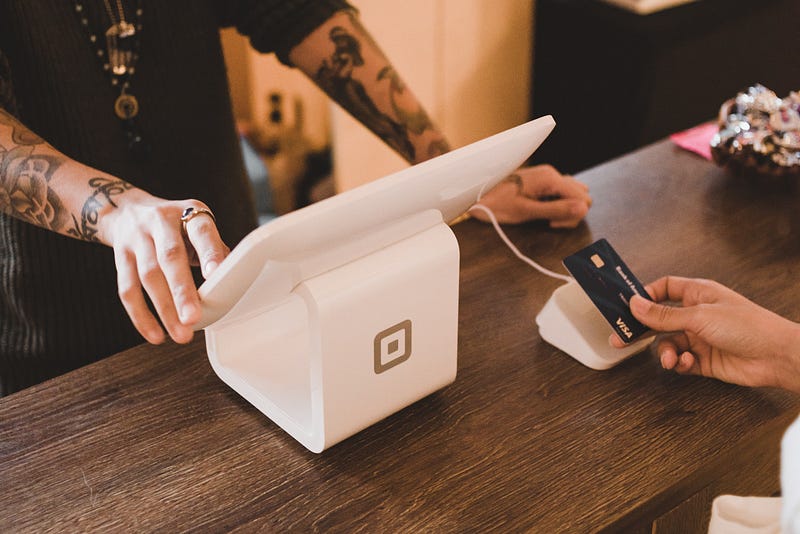
While credit cards have been there for people in times of crisis, they are not the innocent financial tools people think they are. Credit cards are nothing short of debt traps that lure people into a lifetime of interest payments that make the bank a fortune.
Except for times of crisis, your credit card should be locked away or used exclusively for airline miles programs. But if that’s your purpose, pay only what you can afford and settle your debt in full every month.
Credit cards are extremely lucrative for the bank and poison for those in financially desperate situations.
Getting Out of Debt
The best friend of debt is time. The longer you allow debt to stay, the stronger it grows. Here are my five steps for getting out of debt faster
DON’T diversify your debt.
Some people think that by spreading out their debt between a few different outlets they will somehow reduce the size of the debt. Their logic is that a lot of small debts must be better than one big debt. This is wrong.
A lot of little debts means a lot of different interest payments building over time, which when added up could mean that your repayments are even higher. This brings us to the next tip:
Consolidate your debt at one low interest rate.
You’re much better off consolidating your debt in one location into which you can pour all your money and keep track of how much interest you’re paying.
Create a budget
Budget is a word a lot of people don’t like hearing.
When you think of a budget, you think of being poor; which is a backwards way of thinking. Rich people don’t get rich or even stay rich by throwing their money at everything they want; they stay rich by creating a budget and sticking to it.
While you’re paying off debt, your budget will have to be strict; but it’s temporary. Carefully planning a budget is the most efficient road I know from debt to wealth.
Turn your checking account into a line of credit.
The best way of avoid losing track of your money is keeping it one place, that way no “spare funds” are going awry.
One way of keeping everything simple and clean is by consolidating your debt into a line of credit, then using this as a replacement for your checking account.
Some banks will let you do it, some won’t, but if you’re lucky enough to be with a bank who will allow it, you should think about it.
With interest rates eating away at you, it only makes sense to take all your funds from your checking account and put them to good use. Essentially, what you’re doing is putting all your money to work paying down your debt and keeping your interest payments under control.
If you have a loan account and a checking account, the money sitting in checking is basically doing nothing.
You will also have an added incentive to spend less, because spending will pull from the line of credit and increase the interest you have to pay the bank.

Marry someone who spends less and makes more.
Ok, in some ways I’m joking. But in all seriousness, it’s a good idea to surround yourself with other people who practice good financial discipline.
Being friends with like-minded people who will help encourage you on your goals will make the journey so much easier.
A recovering alcoholic is never going to find success hanging out in bars with alcoholics. With that logic in mind, don’t put yourself in situations that will tempt you to spend outside of your budget. Don’t go window shopping when you know you don’t need anything. Don’t go wandering into Louise Vuitton just for a browse.
In the words of Admiral Akbar “It’s a trap!”
Making good choices, writing a budget, and hanging out with others who do the same will send you down on a path that leads to financial freedom from debt.
Disclaimer: This article does not constitute financial advise. If you truly need financial help, seek out a fiduciary financial advisor who can give you personalised advice for your unique situation.


%22%3E)