
BIG CATS
House Cats of the African Savuti
Lions have been lounging in unusual places since the pandemic
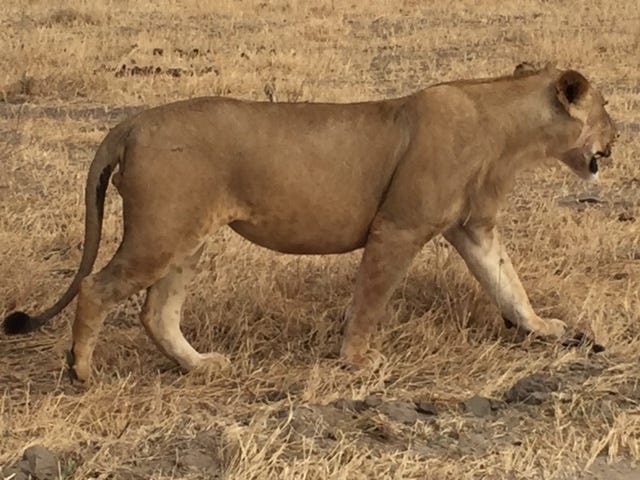
African lions have been behaving strangely since the pandemic — and one of the friends we made while traveling in southern Africa has been filling us in.
It’s been a little over five years since we last traveled to southern Africa —namely, Kenya, Botswana and Tanzania. We want to return at some point when it becomes safer, and our friend and former tour guide Daudi has been keeping us updated through email and Facebook.
During the COVID lock down much of his news centered on wildlife that has become emboldened by the lack of tourists.
As of this month the travel advisory to Botswana has been adjusted to: “Reconsider your need to travel due to the impacts of COVID-19.” Not totally encouraging, but it’s a baby step forward.
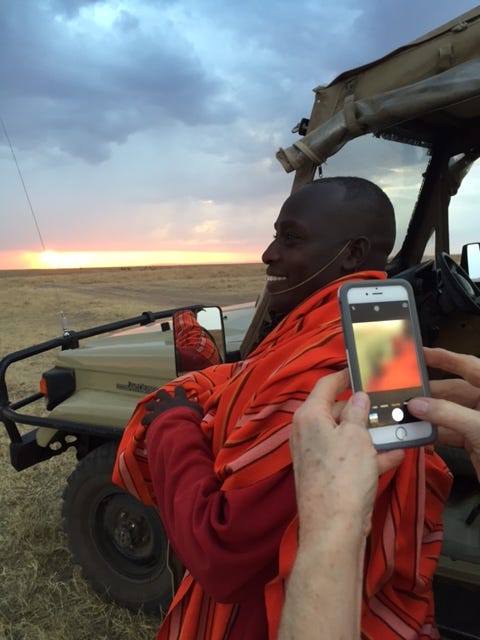
As the global pandemic slowed, then halted, adventure travel to luxurious safari camps in southern Africa also was put on pause.
Lions, elephants, and other animals took note of this unusual human departure.
With the disappearance of perennial tourists, the national park’s personnel began noticing the behavioral changes in its residents.
At a stylish lodge in Botswana, wild dogs and spotted hyenas were seen frolicking on empty golf courses, chasing their pups and relaxing on the greens. A lioness was seen leisurely sipping water from a resort fountain.
Hey, life is good when all the peeps are gone!
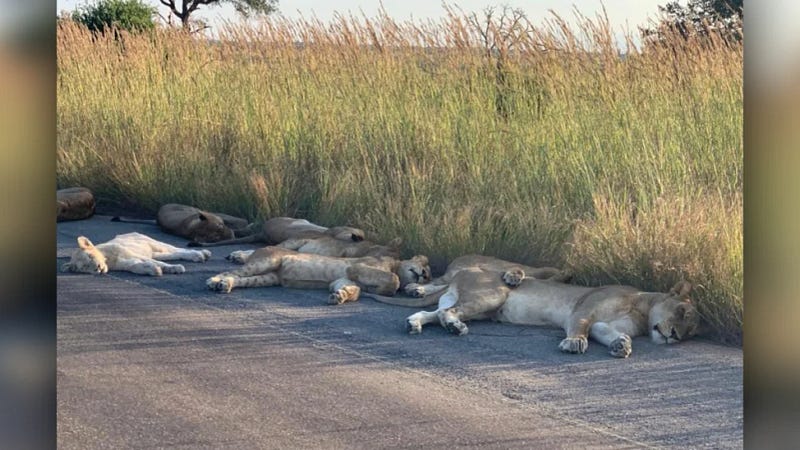
While lions roam paved roads at nightfall — areas typically closed to guests — many were sighted strolling around in broad daylight, collapsing unperturbed upon the asphalt for naps whenever the mood struck.
“Lions realize traffic has almost evaporated since lock down,” wrote Daudi, “and they’re taking advantage of newly discovered space.”
When we visited Botswana he’d explained lions are generally unafraid of vehicles, although walking humans spell danger.
“Seeing lions sprawled on the road is very uncommon,” Daudi wrote, “because normally the sights and sounds of traffic push them off into the bush. Now, whole families lounge together in places they would stay away from if tourists were here.”
So much for social distancing!
One of Daudi’s fears was that these lions might become too accustomed to their lazy naps on the roads once tourism returns.
His greatest fear is the unbridled uptick in poaching.
Elephants, lions and rhinos were slaughtered over the past 24 months in areas where busy tourism had made it safer for them to roam unmolested.
Daudi described in his emails how Botswana’s formerly no-nonsense security forces are all but neutered. We could read the sadness and anger in his messages.
Several years ago President Mokgweetsi Masisi dialed back their tough shoot-to-kill policy aimed to halt mass depopulation of elephants, rhinos, and lions.
I know I’m not alone when I say their shoot-to-kill policy was a necessary evil. That’s all I’ll say about that.
As a long term tour guide in Botswana’s Savuti channel, Daudi is familiar with the well known lion families — the Savuti Pride and the much studied Marsh Pride.
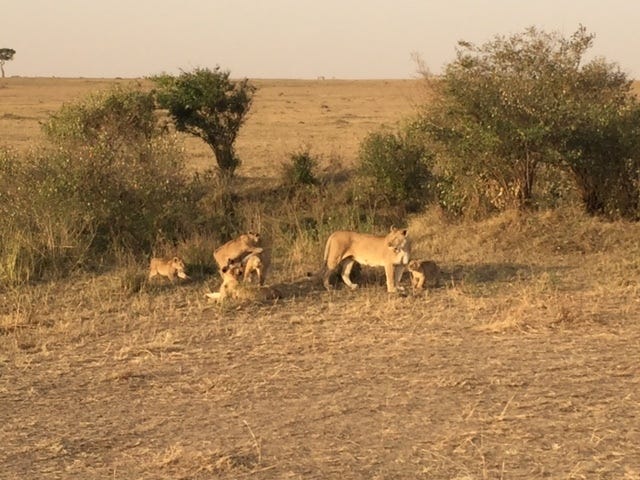
These, and others, have split over time, died off or regrouped for other reasons. Over three-quarters of African lion populations are now in decline, with their current numbers estimated at around 20,000.
One of Daudi’s favorite pass times, as a pet owner and a camera safari guide, is observing similarities between bush lions and his own pets at home.
While on our camera safaris with Daudi, this mutual interest in cats instantly bonded the three of us. Here are some interesting things he shared:
While our kitties sleep between 12–16 hours daily, lions snooze up to 20 hours, depending on their last meal — a cycle referred to as feed-rest-hunt.
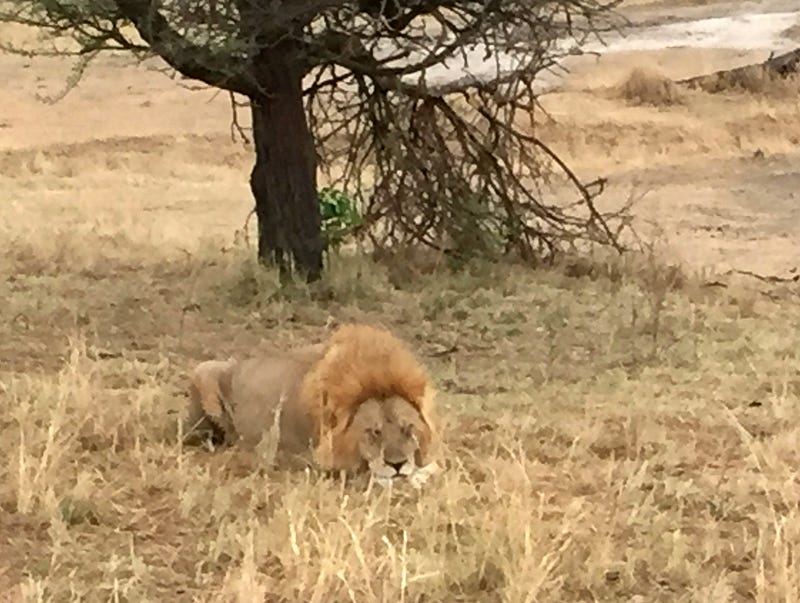
Both cats and lions have an extraordinary sense of smell — much stronger than ours. This is due to their Jacobson’s olfactory organ, which causes them to breathe open-mouthed when encountering something new.
You’ve probably seen this often in your own house cats — they look up, sniff the air furiously, and then grimace in a way that might make you think something is wrong.
It’s not. It’s just that Jacobson’s organ in action.
Felines, domestic and wild, spend up to half of their day grooming themselves and their young. The head-butting and constant rubbing our kitties engage in isn’t really a gesture of affection.
In both lions and cats, the urge to mark territory and claim possession is strong. They use scent glands on the sides of their faces, on their front paws, and their tail base to release pheromones, announcing “this is all mine — leave it alone!”
Both lions and house cats are sly, nocturnal hunters. Although lions bring home their kill for their young, house cats with outdoor access often surprise their owner with “gifts” of dead squirrels or birds.
We are gifted these poor creatures regularly by our indoor-outdoor kitty named Buddy. He’s sure not a friend to these little guys.
Survivalist instincts run deep with both cats and lions. Both felines are playful, and neither can resist boxes, dangling items, or — unsurprisingly — catnip.
They also love to play with their young, and often display deep affection and nurturing toward their offspring.
Daudi says he’ll be so glad when the pandemic is declared officially over. He’s eager to see the return of tourists who come to enjoy African wildlife in their natural habitat.
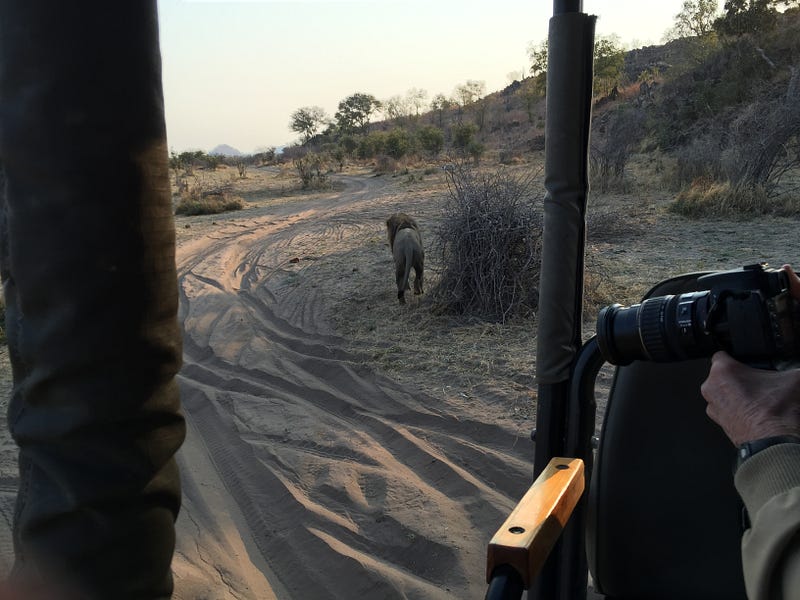
Till then he says he’ll continue to study them at a closer range and note behaviors that are easier to miss when further from view.
Although the experience of closer observation has been fun, he expects things will return with some sort of normality, and that lions and other animals will again go out of their way to avoid humans.
You might find this fun. This very short (2 min) video shows what it looks like to get very, very close to a huge male lion while in a safari vehicle.
This video, filmed on an iPhone, could have easily been mine. Our experience was almost exactly like this one! I would have put mine up for view, but I don’t think anyone would want to see my 10-minute version!
Enjoy!
If you enjoy true stories on a full range of interesting, sometimes quirky but hopefully entertaining topics, please follow me on Medium at https://[email protected]


