avatarLucianoSphere (Luciano Abriata, PhD)

Free AI web copilot to create summaries, insights and extended knowledge, download it at here

2449

Abstract

a look at the “rooms" offered by this hotel:</p><figure id="ac3a"><img src="https://cdn-images-1.readmedium.com/v2/resize:fit:800/1*PiXjHsNSoyL6oMDr4RN-2g.jpeg"><figcaption></figcaption></figure><p id="781d">Apparently, there are 3 main types of rooms: logs with wholes drilled, open bricks, and straw. I guess different kinds of insects will prefer different kinds of beds?</p><p id="a4c8">Here’s another hotel, a bit more hidden under some trees at the edge of a forest:</p><figure id="16da"><img src="https://cdn-images-1.readmedium.com/v2/resize:fit:800/1*N7mMA6iHFHBAX3hDFlyzhA.jpeg"><figcaption>An Insect Hotel in the boundaries of a forest. Photo by author Luciano Abriata.</figcaption></figure><p id="0793">The “rooms” are essentially of the same 3 types as above. Let’s zoom into the “drilled logs” rooms:</p><figure id="5d33"><img src="https://cdn-images-1.readmedium.com/v2/resize:fit:800/1*VGw9zCYvZBmlWiW8UmLsKA.jpeg"><figcaption></figcaption></figure><figure id="787d"><img src="https://cdn-images-1.readmedium.com/v2/resize:fit:800/1*8RIyxWB2Fqfk5k4qE58v4g.jpeg"><figcaption>Zooms on the “beds” drilled into the “rooms”. Photo by author Luciano Abriata.</figcaption></figure><p id="2bc8">As I read to prepare this story, I found all this very interesting. If you want to know more, from someone that seems to be an expert on Insect Hotels, check this out:</p><div id="fdfe" class="link-block"> <a href="https://entomologistlounge.wordpress.com/2017/09/18/insect-hotels-a-refuge-or-a-fad/"> <div> <div> <h2>Insect Hotels: A Refuge or a Fad?</h2> <div><h3>If you are a gardener by hobby and a nature enthusiast by heart, chances are that you are already familiar with the…</h3></div> <div><p>entomologistlounge.wordpress.com</p></div> </div> <div> <div style="background-image: url(https://miro.readmedium.com/v2/resize:fit:320/0*VzoYEinyCcTTeY8N)"></div> </div> </div> </a> </div><p id="4ec4">That blog is super interesting in fact! Highly recommended!</p><p id="0cab"><b>But hey, I was thinking… based on the definition given by Wikipedia, then man-made honeycombs would also be insect hotels…</b></p><p id="7fb6">There’s a set of honeycombs inside a forest close to where I live. Here it is:</p><figure id="f8a7"><img src="https://cdn-images-1.readmedium.com/v

Options

2/resize:fit:800/1*bXg0J_AgysHz21NVvH9vng.jpeg"><figcaption>A big hotel for bees with several “rooms”. Photo by author Luciano Abriata.</figcaption></figure><p id="792d">I didn’t want to get too close to it, because there were some hundreds of bees flying all around these “rooms”. They aren’t visible in the shot because they were flying like crazy. But believe me, they were there by the hundreds!</p><p id="e6fc">Zooming in you can see some bees stepping on the “doorsteps” of their “rooms”:</p><figure id="2879"><img src="https://cdn-images-1.readmedium.com/v2/resize:fit:800/1*i03OGgukQHJRrZZAEXYDFg.jpeg"><figcaption>Zooming onto the “rooms” of this big hotel for bees. The small things on the doorsteps of the houses are bees. Tens to hundreds of other bees are flying so they weren’t captured by the shot. Photo by author Luciano Abriata.</figcaption></figure><p id="479b">Next time I visit my in-laws, who have active honeycombs, I will investigate further and try to take some close shots with a GoPro -of course wearing propers clothes to avoid bites!</p><p id="9a69"><b>I hope you’ve enjoyed this ride through Insect Hotels. Follow me for more nature photography.</b></p><p id="520b"><i>I am a nature, science, technology, programming, and DIY enthusiast. Biotechnologist and chemist, in the wet lab and with computers. I write about everything that lies within my broad sphere of interests. Check out my <a href="https://lucianosphere.medium.com/lists">lists</a> for more stories. <a href="https://lucianosphere.medium.com/membership"><b>Become a Medium member</b></a> to access all its stories and <a href="https://lucianosphere.medium.com/subscribe"><b>subscribe to get my new stories</b></a><b> by email</b> (original affiliate links of the platform for which I get small revenues without special costs to you). <a href="https://lucianoabriata.altervista.org/office/donations.html"><b>Donate here</b></a><b> </b>through various means. <a href="https://lucianoabriata.altervista.org/office/contact.html">Contact me here</a>.</i></p><p id="c458"><i>To <b>consult about small jobs</b> (on programming, biotech + bioinf project evaluations, science outreach + communication, molecular data analysis and design, molecular graphics, photography, moleculARweb tutorials, science teaching and tutoring, etc.) check my <a href="https://lucianoabriata.altervista.org/services/index.html"><b>services page here</b></a>.</i></p></article></body>

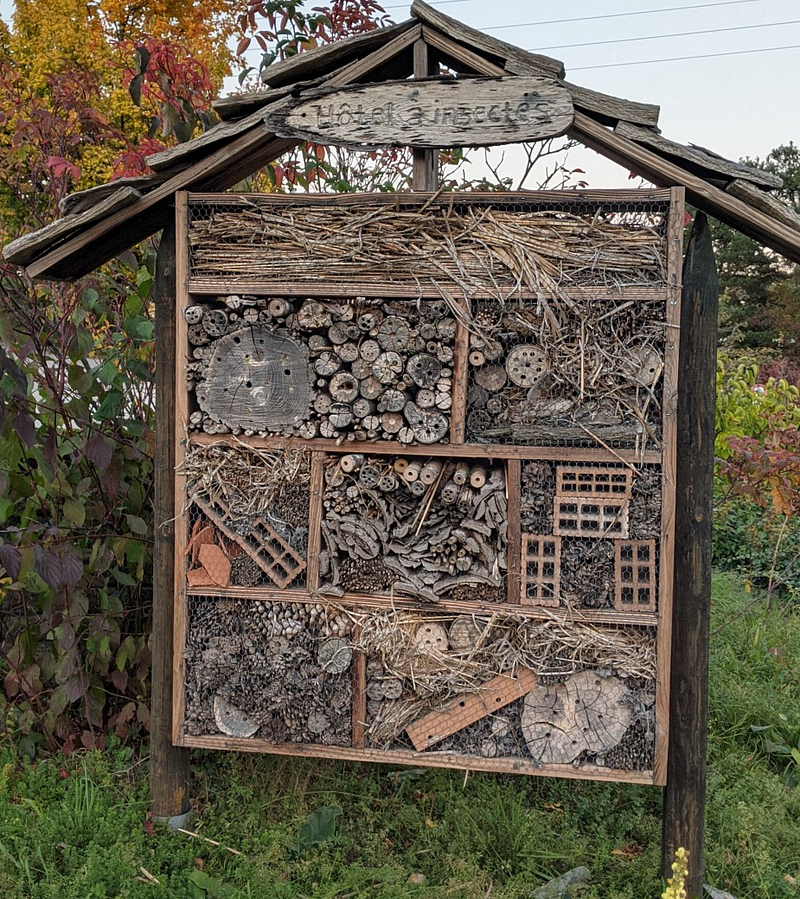
An Insect Hotel in a garden near home. Photo by author Luciano Abriata.

Hotels for insects?

I didn’t even know these “hotels” existed until I found a few in the forests and parks around here. They are a serious thing!

Do you know about “Insect Hotels”? If not then well, here you will. I had never heard about them until I arrived in Switzerland and began to walk its parks and forests. And it’s not a local thing but rather something well documented and existing in many countries. Google it and you’ll see.

Wikipedia says that an Insect Hotel is a man-made structure created to provide shelter for insects. Man-made is key, because of course insects build their own nests and homes. Underground, inside trees, between rocks, or with materials like mud, straw, wax, etc.

The Wikipedia article continues by explaining that Most consist of several different sections that provide insects with nesting facilities — particularly during winter, offering shelter or refuge for many types of insects. And later on it explains that these hotels can host many kinds of insects, such as ladybirds, solitary bees, and solitary wasps. I was surprised by the latter two, because I always thought bees, wasps, and similar insects lived exclusively in swarms.

Let’s inspect together two insect hotels around here.

The insect hotel in the lead photo, which I show in full below, looks like the prototypical insect hotel you’ll find on an online search: a kind of house with a roof that probably protects the place from heavy rains, and several pieces of materials that insects will probably like: perforated blocks of wood, logs, and rocks; straw; small branches; and alike. A metallic net serves to keep all these materials in place. You can see this one with the inscription “Hôtel à insectes” which is the French for our subject:
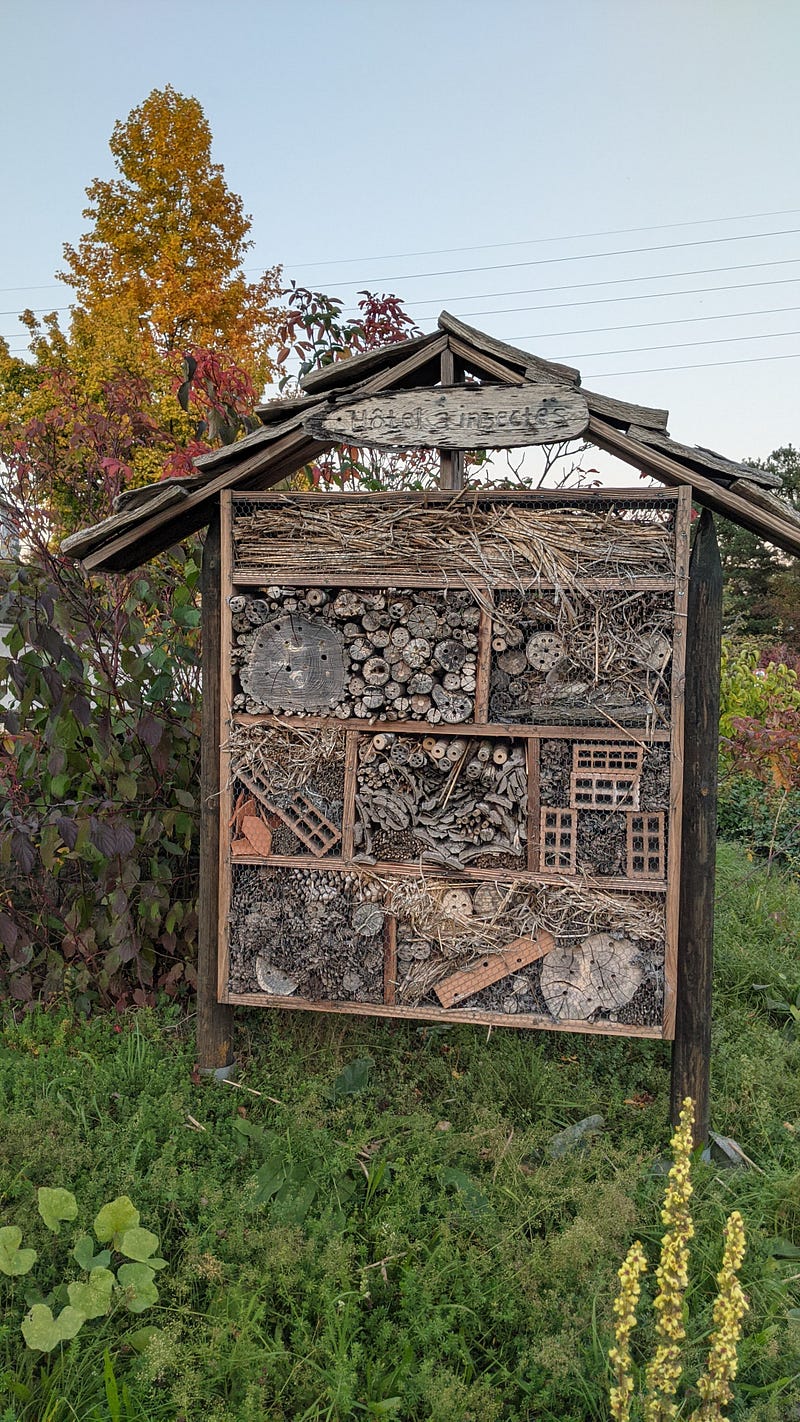
An Insect Hotel in a garden near home. Photo by author Luciano Abriata.

Let’s give a look at the “rooms" offered by this hotel:
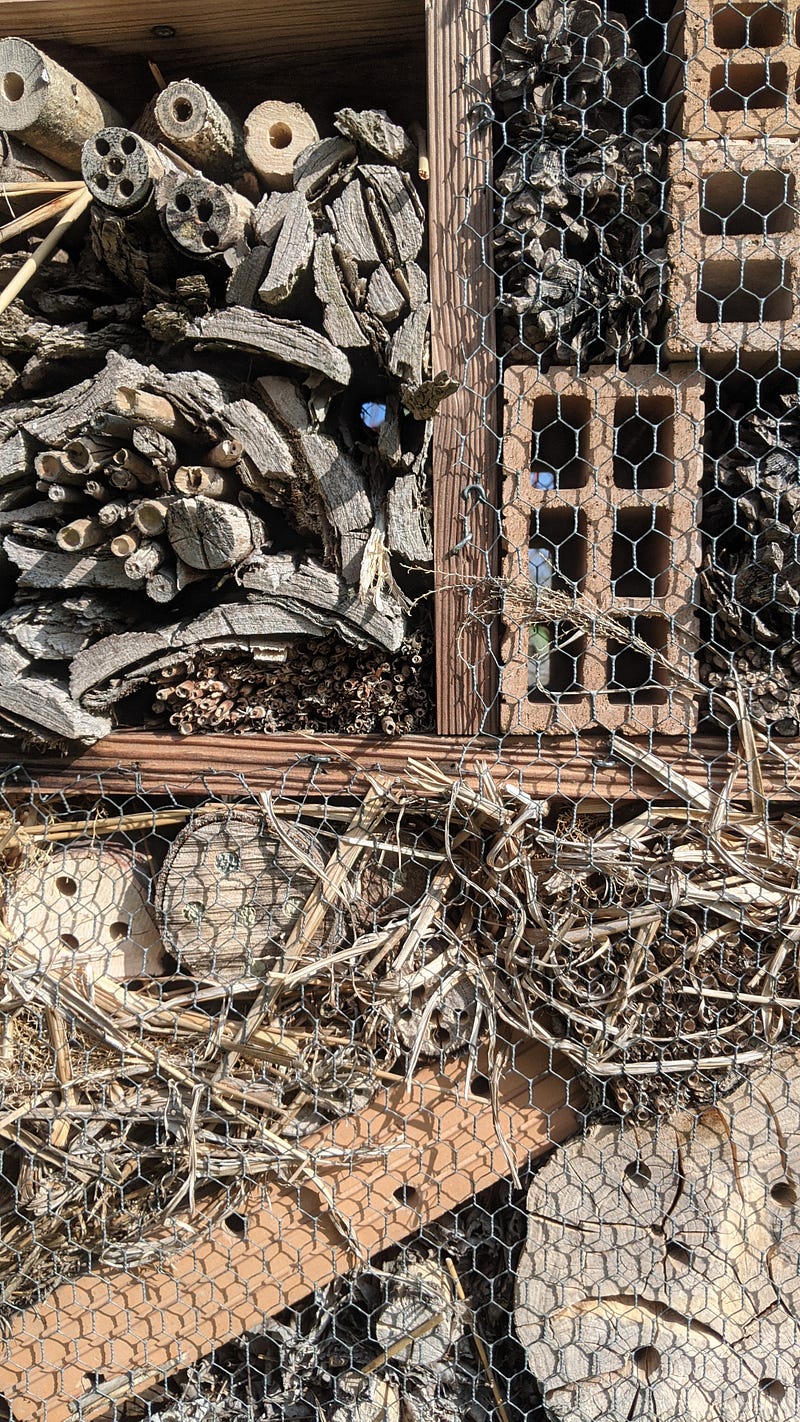
Apparently, there are 3 main types of rooms: logs with wholes drilled, open bricks, and straw. I guess different kinds of insects will prefer different kinds of beds?

Here’s another hotel, a bit more hidden under some trees at the edge of a forest:
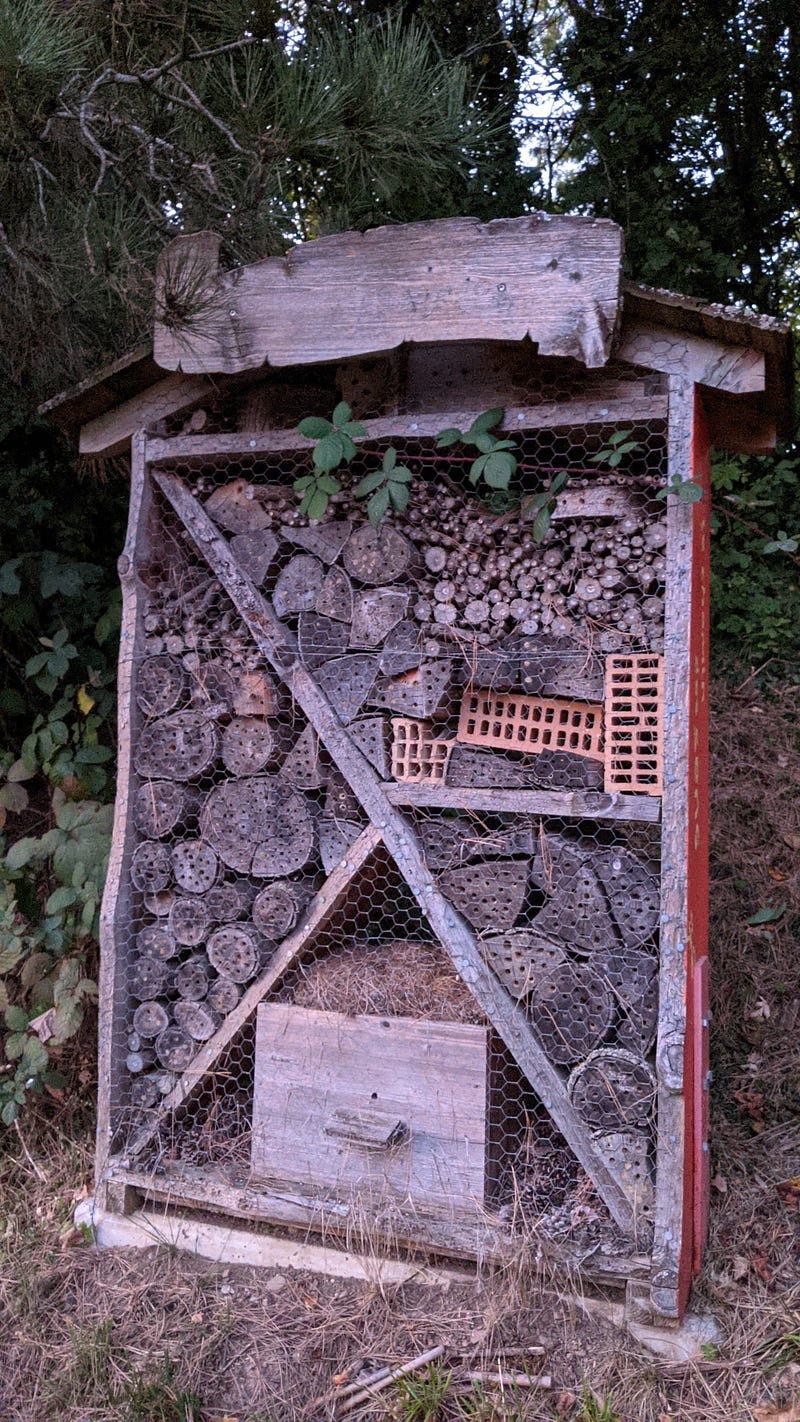
An Insect Hotel in the boundaries of a forest. Photo by author Luciano Abriata.

The “rooms” are essentially of the same 3 types as above. Let’s zoom into the “drilled logs” rooms:
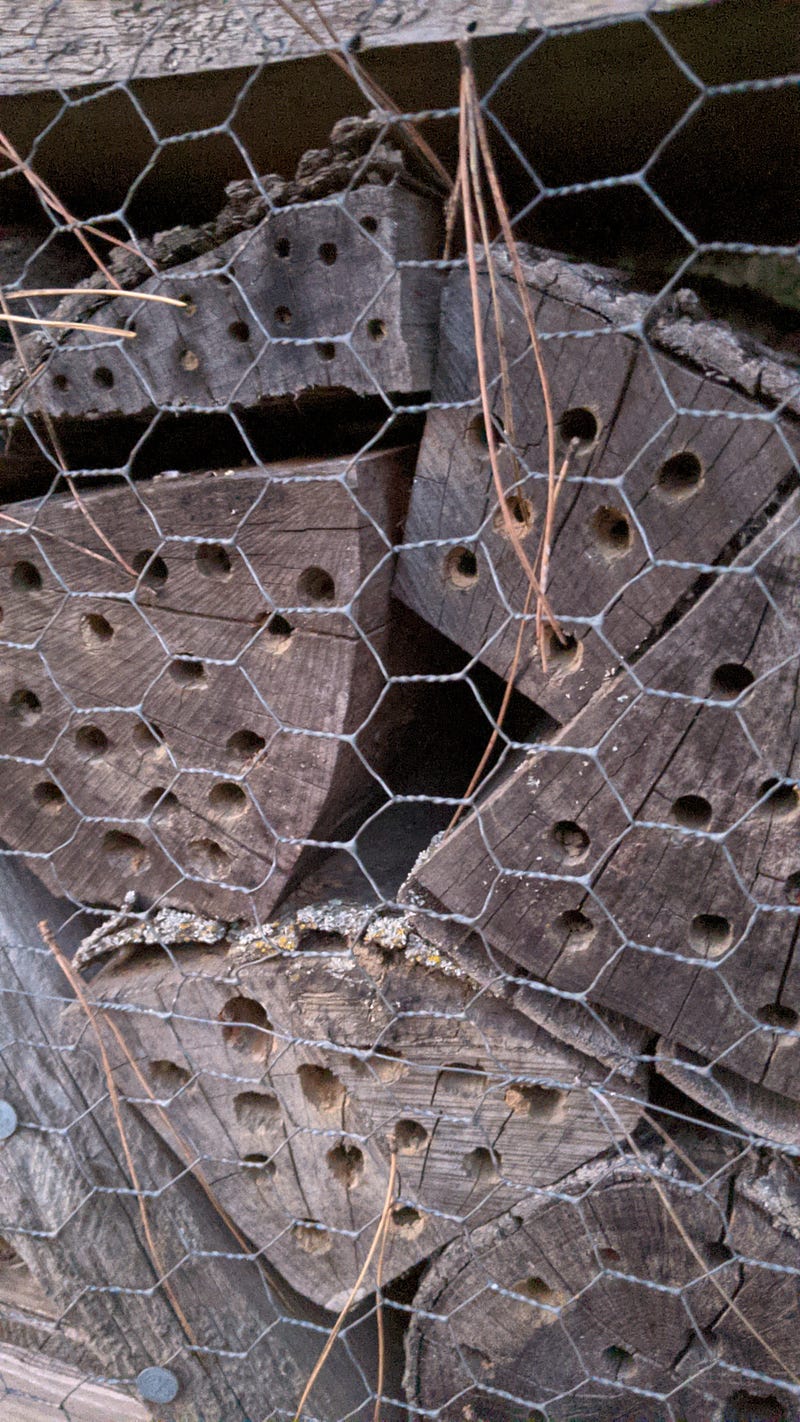
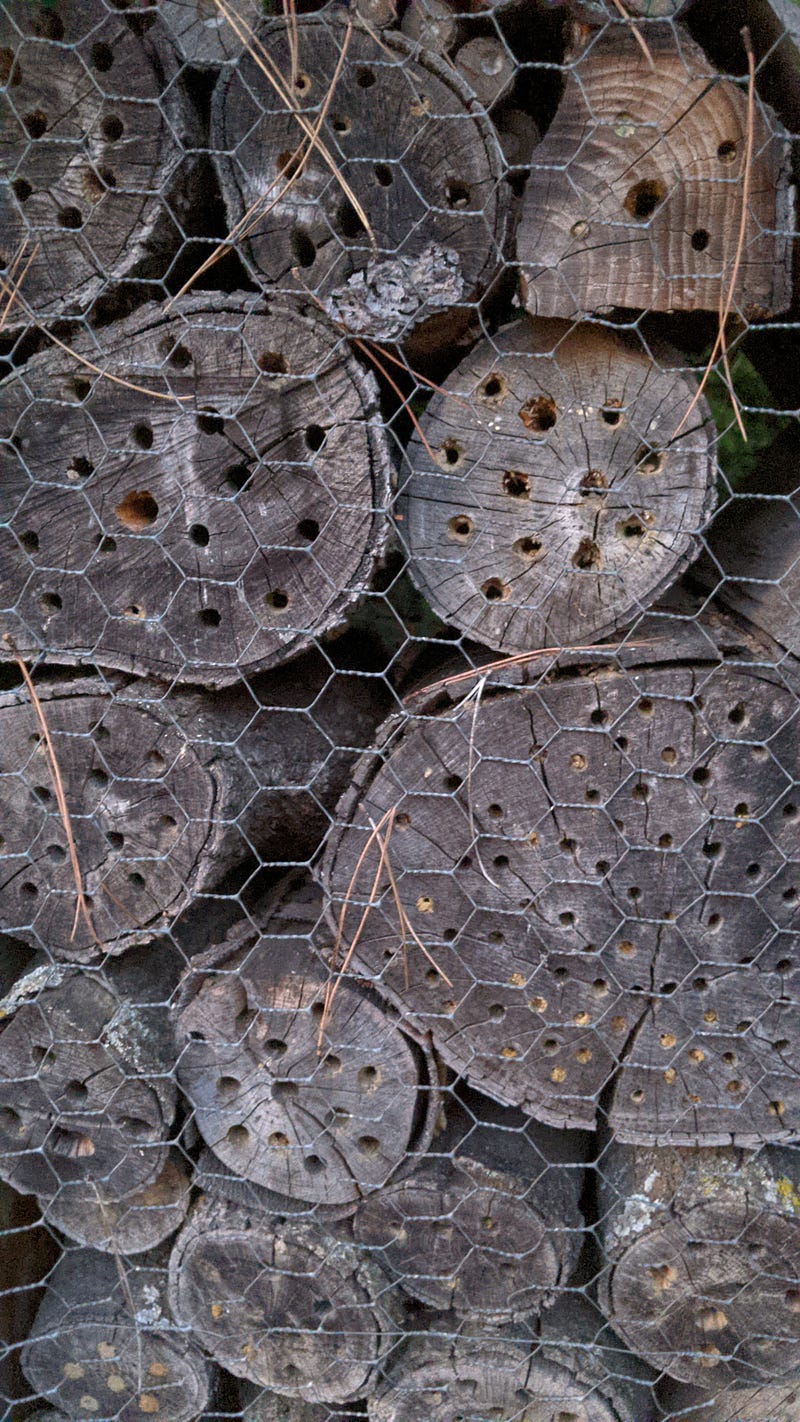
Zooms on the “beds” drilled into the “rooms”. Photo by author Luciano Abriata.

As I read to prepare this story, I found all this very interesting. If you want to know more, from someone that seems to be an expert on Insect Hotels, check this out:

That blog is super interesting in fact! Highly recommended!

But hey, I was thinking… based on the definition given by Wikipedia, then man-made honeycombs would also be insect hotels…

There’s a set of honeycombs inside a forest close to where I live. Here it is:
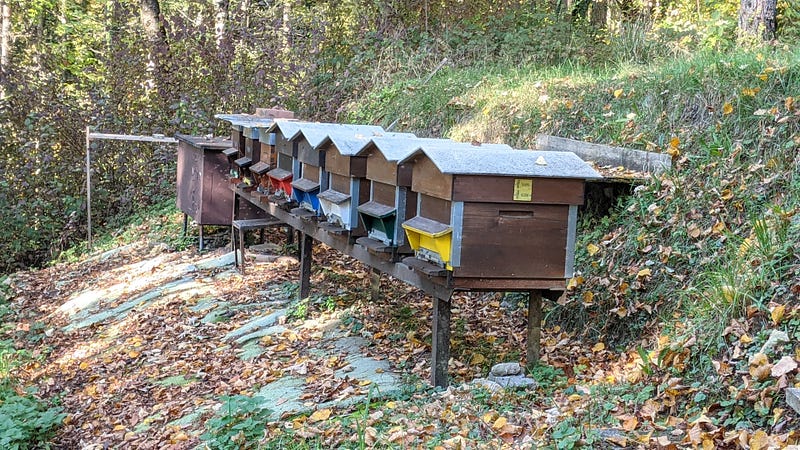
A big hotel for bees with several “rooms”. Photo by author Luciano Abriata.

I didn’t want to get too close to it, because there were some hundreds of bees flying all around these “rooms”. They aren’t visible in the shot because they were flying like crazy. But believe me, they were there by the hundreds!

Zooming in you can see some bees stepping on the “doorsteps” of their “rooms”:
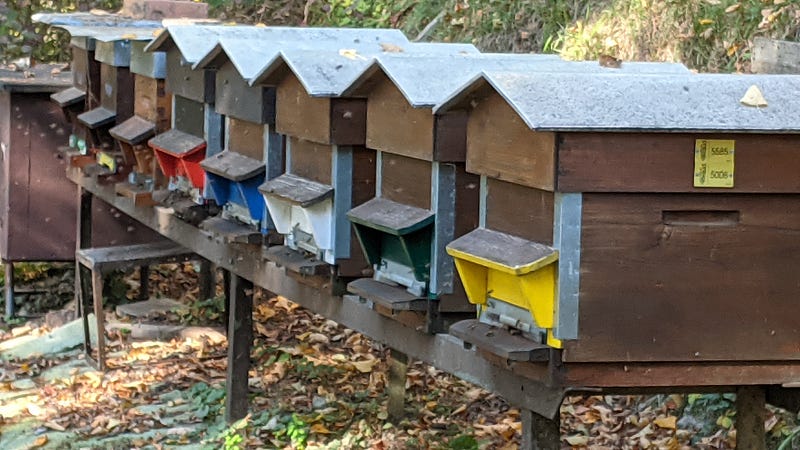
Zooming onto the “rooms” of this big hotel for bees. The small things on the doorsteps of the houses are bees. Tens to hundreds of other bees are flying so they weren’t captured by the shot. Photo by author Luciano Abriata.

Next time I visit my in-laws, who have active honeycombs, I will investigate further and try to take some close shots with a GoPro -of course wearing propers clothes to avoid bites!

I hope you’ve enjoyed this ride through Insect Hotels. Follow me for more nature photography.

I am a nature, science, technology, programming, and DIY enthusiast. Biotechnologist and chemist, in the wet lab and with computers. I write about everything that lies within my broad sphere of interests. Check out my lists for more stories. Become a Medium member to access all its stories and subscribe to get my new stories by email (original affiliate links of the platform for which I get small revenues without special costs to you). Donate here through various means. Contact me here.

To consult about small jobs (on programming, biotech + bioinf project evaluations, science outreach + communication, molecular data analysis and design, molecular graphics, photography, moleculARweb tutorials, science teaching and tutoring, etc.) check my services page here.

Nature
Photography
Craft
Sustainability
Life
Recommended from ReadMedium