
HOPE LINGERS IN NEW YEAR’S RESOLUTIONS
BUT NOT FOR LONG
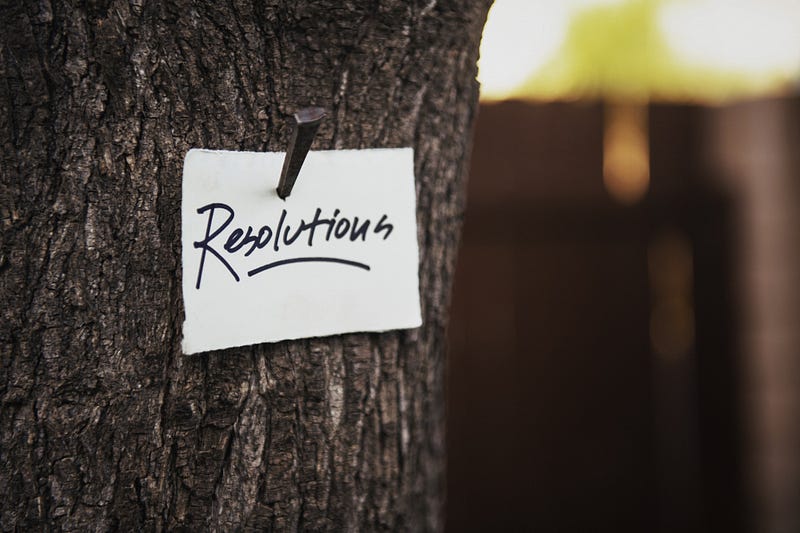
2023. Another beginning. Opportunities waiting on the horizon. Anticipation. A desire to be better, to do better to close the gap between dreams and realizations. Just as the ancient Babylonians did 4,000 years ago credited for making the first New Year’s Resolutions. Their New Year, however began in March when the crops were planted. And here we are today still making resolutions, well, at least, some of us estimated to be around 38.5% of the U. S. adult population. Young adults aged 18 to 34 are most likely to set goals primarily centered around health. Exercise more, lose weight, eat more nutritious foods. Only 9% succeed in accomplishing their goals giving up after only two months. Is lack of discipline the culprit or is it something else? Are expectations overly ambitious?
Unlike the ancient Babylonians we have more to worry about than crops. Our intentions are good until something happens beyond our control and we fall off the wagon. We return to our safety zones. The quick fix is so much easier.
On New Year’s Day I cleaned out dresser drawers. Having watched college play-off games, two back-to-back, and watched the ball fall in Times Square not to mention the one too many glasses of wine I’d slept much later than usual. It was nearly noon when my day began. Cleaning seemed like a good start to 2023. There was so much stuff — tops, underwear, socks, jewelry, and even a few bathing suits most of which I hadn’t worn in years. “Out with the old. In with the new,” written on a piece of paper, my resolution list from 2022. It was tucked under some underwear. I read the list and realized of the fifteen goals on it I’d successfully accomplished only three. Better than none I told myself.
Should I make a new list? Maybe hang it on the wall as a constant reminder there were things that needed to be changed. This was my chance to create a new version of myself one more conducive to my current situation. Fear continued to be my greatest enemy always sneaking up when I least expected it to. Its wrath could be debilitating sending me into panic and depression. It cared nothing about resolutions controlling emotion that it was. It stopped me in the middle of projects forcing me to question my abilities. It often made me feel vulnerable and worthless. I hated fear. I hated its power over me. It had been right by my side when I had Covid, when I had eye surgeries last year, when I was afraid to step outside to a world filled with hidden dangers.
It was then I had an epiphany. It wasn’t the resolutions themselves that were unrealistic or unattainable. It was my fear of not completing them. As I continued cleaning out my dresser drawers, felt the familiar push of fear to complete the project right now. And, I thought, what if I didn’t? What if something else came up that needed my attention. There were still 364 days left in the year.
I vowed to slow down. The yearly resolutions I had always made would now be daily ones instead that did not overwhelm my already sensitive psyche. Moving forward was more important than the pace at which it was done. It was all about today. It was all about now. Because what I chose to do now would impact tomorrow. 365 days were just too many for me to grasp. Too much time for procrastination. Doing things with intention is much more important. Fear will be confused. Maybe it will choose another victim easier to manipulate than me.
I walked out of the bedroom fear following me. “Join me for a glass of wine,” I asked, “After all it is New Year’s Day.


