
S&S PROMPT: NEUROSCIENCE INSPIRED POETRY
Hope
A ray of light
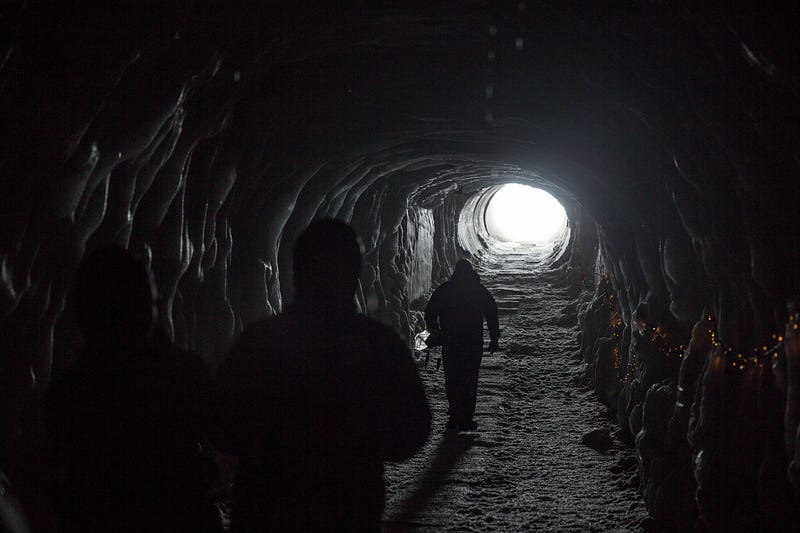
The beauty of a lotus needs muddy waters From the depth of despair rises hope
Just when you thought it was all over Begins preparation for the next round
Hang tight!
Roller coaster of emotions ride but not to give in Sometimes lose sight, maybe but overcoming the blight
There will be a new day after night comes daylight Togetherness will find a way And keep hope alive
Always!
For hope is the light that can illuminate lives Keep the faith alive and inspirations high
Where hope leads magic surely follows Dreams shine bright and all becomes possible
Hope — A ray of light in the darkness of life
Hope is many things — a feeling of trust, an expectation, a belief for a certain thing to happen or wanting something to happen — a sort of expecting with certain perhaps even spiritual confidence — generally considered an optimistic state of mind and approaching challenges in life as opportunities.
One thing hope is not — it is not the same as wishful thinking; it is not ignoring the signs but instead embracing and actively engaging with the world with confidence despite setbacks.
“Hope is not blind optimism. It’s not ignoring the enormity of the task ahead or the roadblocks that stand in our path. It’s not sitting on the sidelines or shirking from a fight. Hope is that thing inside us that insists, despite all evidence to the contrary, that something better awaits us if we have the courage to reach for it, and to work for it, and to fight for it. Hope is the belief that destiny will not be written for us, but by us, by the men and women who are not content to settle for the world as it is, who have the courage to remake the world as it should be.” ― Barack Obama
As it turns out, scientists too have long studied — hope — specifically hope as a potential therapeutic target. Studies find that an individual’s level of hope is determined by their innate personality characteristics and environmental factors. It can also be influenced by immune modulators, neurotransmitters, affective states, and even the underlying disease processes.
The feeling of hopefulness can even lead to changes in the brain. Hope — which involves positive beliefs and expectations, can cause the brain to release neurochemicals such as endorphins and enkephalins, the body’s natural painkillers. In other words, while hope and healing are not causally connected, they are indeed correlated.
More recently, new research finds that having hope for the future can make you happier and that nurturing hope in people who are unhappy with their lot could potentially protect against harmful behaviors like drinking and gambling.
There is perhaps no overstating the value of having, sustaining, and sharing hope with or without scientific studies. Most importantly, by finding a way to keep hope alive within us, we are automatically helping countless others who are determined to bring life and light into places of loss and darkness.
Big problems sometimes need small steps taken every day by a lot of us together. Hope tends to beget more hope, and our brains love stories. So, let us feed our brains hopeful stories, perhaps keep a hope journal for things that you hope for in the post-covid world — perhaps, traveling to see family members, meeting newborn nephew for the first time, attending a mindfulness retreat in person, or getting back to volunteering in your kids' school.
By nourishing hope in our own hearts and sharing it, we can watch sparks of hope glow brighter as it multiplies. Here’s to finding ways to cultivating and keeping hope alive despite challenging times — I look forward to learning and growing in hope together.
Thank you for reading.
*This content is not intended to be a substitute for professional advice, diagnosis, or treatment. Always seek the advice of your physician or another qualified health provider with any questions you may have regarding a medical or mental health condition.
**This story is part of the S&S Prompt series — science-inspired prompts to get you inspired — Our dear readers — to have a little fun exercising your artistic creativity and write a science-inspired story — the format is entirely up to you — haiku, sciku, limerick, poetry, prose, painting, etc.— if you do — feel free to publish it anywhere on medium, just tag it with #SnSPrompt.
***Tagging — Laura Griffith Machado, PsyD Lynn E. O’Connor, Ph.D. Rita Hitching Synthia S. Lucy Dan 蛋小姐 (she/her/她) ASeiler Dr. Marina Harris John Levin ScienceDuuude Melissa Gouty Dr. Fatima Imam Dr. Jackie Greenwood Somsubhra Banerjee Adelia Ritchie, Ph.D. Jenine Bsharah Baines Shin Jie Yong Dr. Preeti Singh Jazz Parks Skanda Squeeze the Avocado K. Barrett Cooking at Home and anyone else who feels inspired to follow and/or play along with this sparkly #SnSPrompt: Science of hope or simply a story about something that gave you hope(e.g. news article, random act of kindness, funny meme on social media) or an experience and why it made you feel hopeful.
For other hopeful stories :


