avatarL.A. Strucke

Free AI web copilot to create summaries, insights and extended knowledge, download it at here

2731

Abstract

an also be produced synthetically. Dr. Duffy said that the synthetic honeybee venom <a href="https://www.perkins.org.au/honeybee-venom-kills-breast-cancer-cells/">mirrored the majority of the anti-cancer effects of honeybee venom.</a></p><h2 id="30bf">Bee venom could help women with triple-negative breast cancer</h2><p id="ade0">This study on honeybee venom could potentially help in saving many lives in the future. Triple-negative breast cancer occurs in 10–20 percent of cases of breast cancer. It has a poorer prognosis than other breast cancers. It is <a href="https://www.breastcancer.org/symptoms/diagnosis/trip_neg">most common </a>in people with a BRCA1 mutation, as well as young people under age 50, and Black or Hispanic women. This exciting new research could be life-saving for these women.</p><p id="e9e4"><a href="https://pubmed.ncbi.nlm.nih.gov/22109081/">Previous studies</a> have been published on bee venom and cancer therapy. Bee venom has been applied in the treatment of some immune diseases as well as tumor growth in different kinds of cancer. Researchers are studying bee venom’s effects on ovarian, prostate, liver, lung, renal, and bladder cancers, as well as leukemia.</p><figure id="1f08"><img src="https://cdn-images-1.readmedium.com/v2/resize:fit:800/0*0KpmbqL92f0gjLGa"><figcaption>Photo by <a href="https://unsplash.com/@nci?utm_source=medium&amp;utm_medium=referral">National Cancer Institute</a> on <a href="https://unsplash.com?utm_source=medium&amp;utm_medium=referral">Unsplash</a></figcaption></figure><h2 id="ce2e">Bees are dwindling in numbers</h2><p id="3302">Meanwhile, honeybees, more valuable than anyone could have imagined have been dwindling in their numbers. Yet, according to a <a href="https://news.cornell.edu/stories/2012/05/insect-pollinators-contribute-29b-us-farm-income">study published </a>in the Cornell Library of Science One, crops that were pollinated by honeybees and other insects in 2010 contributed $29 billion to farm income.</p><p id="f43a"><a href="https://www.fws.gov/southeast/wildlife-and-you/bees/">Research shows</a> that bees are dying from colony collapse disorder, pests, bacteria and viruses, poor nutrition, environmental changes, bee management practices, a lack of genetic diversity, and pesticides.</p><p id="ed3a">Bumblebees have been listed on the Endangered list. The <i>rusty patched</i> <i>bumblebee</i> is one type of bumblebee disappearing in the United States. Bumblebee’s role in pollination is needed for the reproduction of flowering plants. They also pollinate plants that keep vegetables on our tables.</p><p id="0d02">Although bees are at risk all over the world, The United Nations Environment program states that <a href="https://

Options

foodtank.com/news/2020/09/fifteen-organizations-and-initiatives-helping-to-save-the-bees/">1 in 4 species of bees are at risk</a> for extinction in North America alone, and more than 75 % of the world food crops rely on pollinators.</p><p id="8ce5">Only future research will tell us how many other ways bees can help humanity. We’ve only begun in this exciting research.</p><h2 id="795e">People and groups that help bees</h2><p id="d97e">Celebrities such as Jon Bon Jovi and Morgan Freeman, are among a long list of celebrities helping bees. Morgan Freeman converted his ranch into a honeybee sanctuary. Bon Jovi raises honeybees in New Jersey.</p><p id="6167">In the United States, The <a href="https://www.beegirl.org/">Bee Girl Organization</a> is working to help bees. They educate and inspire people to conserve bees.</p><p id="b350"><a href="https://thehoneybeeconservancy.org/">The Honeybee Conservancy</a> is a non-profit organization that protects bees.</p><p id="a982">The <a href="https://www.planetbee.org/">Planet Bee Foundation</a> offers remote, virtual distance learning lessons about bees to classrooms.</p><figure id="9c28"><img src="https://cdn-images-1.readmedium.com/v2/resize:fit:800/0*u_jCqQuZf5S2Lpfa"><figcaption>Photo by <a href="https://unsplash.com/@8moments?utm_source=medium&amp;utm_medium=referral">Simon Berger</a> on <a href="https://unsplash.com?utm_source=medium&amp;utm_medium=referral">Unsplash</a></figcaption></figure><h2 id="f5e3">We Can All Do Our Part to help bees</h2><ul><li>We can plant bee-friendly plants</li><li>We can give them a water supply</li><li>Don’t use pesticides</li><li>Support your local beekeeper</li></ul><h2 id="e77d">Plants that attract bees</h2><p id="e0f7">We can do our part in planting beautiful bee-attracting flowers in our gardens to save the bees.</p><p id="f42c">Bees love marigolds, mint, pansies, peonies, goldenrod, bee balm, sunflowers, zinnias, and lavender, as well as many other types.</p><h2 id="79b1">Hope on the Horizon</h2><p id="5987">In conclusion, honeybee venom and particularly melittin may be the key to impacting the health of those afflicted with breast cancer for the better. Researchers are still only in the beginning stages in discovering all the benefits that bees can bring us. They are truly beneficial insects that can help humanity.</p><p id="62ff">Let’s hope this breakthrough in research on honeybee venom and melittin saves many people’s lives. Researchers say it will be a <a href="https://www.sciencealert.com/bees-formidable-weapons-could-successfully-target-aggressive-breast-cancer">long time before this treatment</a> can be used in humans, but the good news is that there is hope now on the horizon.</p></article></body>

Honeybees Fighting Breast Cancer

A new study shows a component of honeybee venom kills aggressive cancer cells
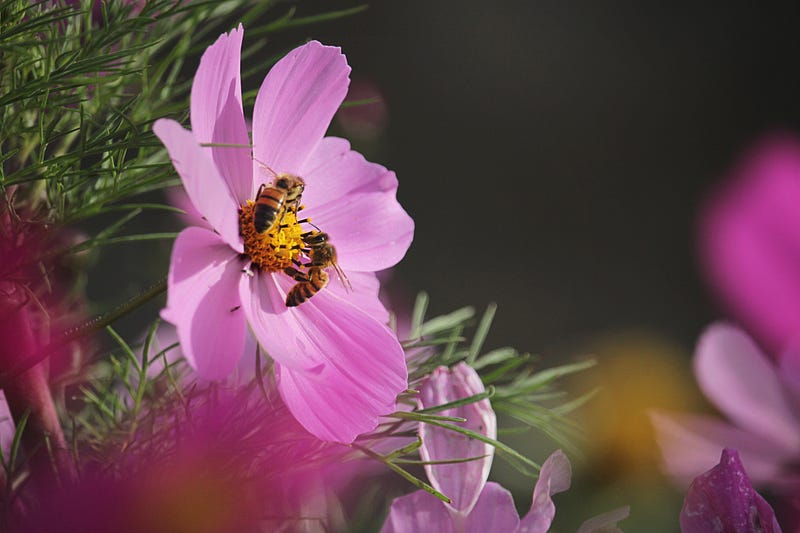
Photo by Damien DUFOUR Photographie on Unsplash

Here’s another great reason for the people of the world to save honey bees. Researchers have made an amazing discovery. They have revealed that the venom of a honeybee kills breast cancer cells.

Melittin, a bee venom peptide killed cancer cells

The study shows that melittin, a positively charged peptide, and the active component present in honeybee venom, induces cancer cell death, especially in cases of triple-negative breast cancer ( a particularly aggressive kind) and in subtypes of HER-2 enriched breast cancer. The study also shows that melittin enhances the effect of Docetaxel (a chemotherapy medication) in suppressing breast tumor growth. Melittin is a bee venom peptide. Bumblebee venom does not contain melittin.

The study was published by npj. Prism Oncology and lead by Dr. Ciara Duffy from the Harry Perkins Institute of Medical Research and the University of Western Australia. Dr. Duffy found that melittin can destroy cancer cell membranes in sixty minutes. In their research, they discovered that the dosage in one concentration worked, but it can show toxicity to other cells if the dosage isn’t correct.

Dr. Duffy was investigating the anti-cancer properties of honeybee venom and melittin on breast cancer cells. The study was done on breast cancer and normal cells. Although melittin destroys breast cancer cells, it has minimal effects on normal cells. It quickly shuts down cancer signaling pathways.

This is the first time researchers have compared the effects of melittin and honeybee venom’s effects on different types of breast cancer cells and normal cells.

The researchers tested 312 honeybees and bumblebees. However, unlike the bumblebee venom, the honeybee venom was particularly found to be potent in attacking breast cancer cells. The honeybee venom used in the study was collected from Apid honeybees from Perth, Australia, Dublin, Ireland, and London, England.

Melittin, naturally in honeybee venom can also be produced synthetically. Dr. Duffy said that the synthetic honeybee venom mirrored the majority of the anti-cancer effects of honeybee venom.

Bee venom could help women with triple-negative breast cancer

This study on honeybee venom could potentially help in saving many lives in the future. Triple-negative breast cancer occurs in 10–20 percent of cases of breast cancer. It has a poorer prognosis than other breast cancers. It is most common in people with a BRCA1 mutation, as well as young people under age 50, and Black or Hispanic women. This exciting new research could be life-saving for these women.

Previous studies have been published on bee venom and cancer therapy. Bee venom has been applied in the treatment of some immune diseases as well as tumor growth in different kinds of cancer. Researchers are studying bee venom’s effects on ovarian, prostate, liver, lung, renal, and bladder cancers, as well as leukemia.
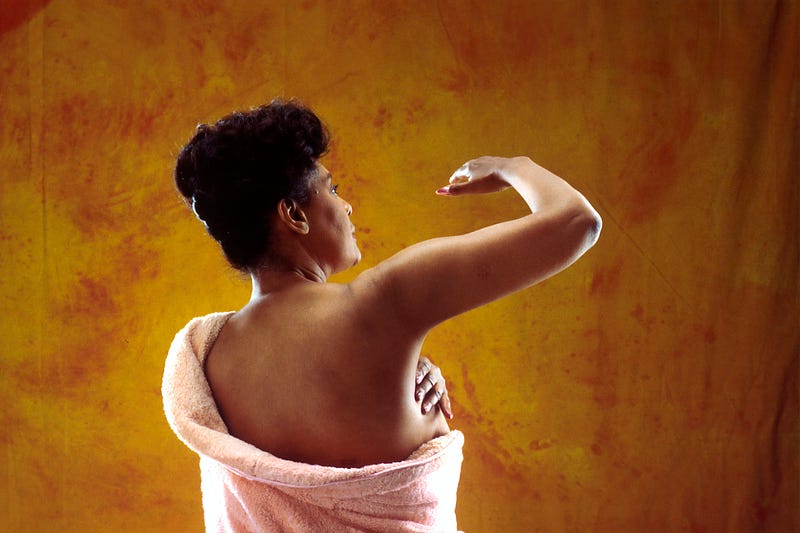
Photo by National Cancer Institute on Unsplash

Bees are dwindling in numbers

Meanwhile, honeybees, more valuable than anyone could have imagined have been dwindling in their numbers. Yet, according to a study published in the Cornell Library of Science One, crops that were pollinated by honeybees and other insects in 2010 contributed $29 billion to farm income.

Research shows that bees are dying from colony collapse disorder, pests, bacteria and viruses, poor nutrition, environmental changes, bee management practices, a lack of genetic diversity, and pesticides.

Bumblebees have been listed on the Endangered list. The rusty patched bumblebee is one type of bumblebee disappearing in the United States. Bumblebee’s role in pollination is needed for the reproduction of flowering plants. They also pollinate plants that keep vegetables on our tables.

Although bees are at risk all over the world, The United Nations Environment program states that 1 in 4 species of bees are at risk for extinction in North America alone, and more than 75 % of the world food crops rely on pollinators.

Only future research will tell us how many other ways bees can help humanity. We’ve only begun in this exciting research.

People and groups that help bees

Celebrities such as Jon Bon Jovi and Morgan Freeman, are among a long list of celebrities helping bees. Morgan Freeman converted his ranch into a honeybee sanctuary. Bon Jovi raises honeybees in New Jersey.

In the United States, The Bee Girl Organization is working to help bees. They educate and inspire people to conserve bees.

The Honeybee Conservancy is a non-profit organization that protects bees.

The Planet Bee Foundation offers remote, virtual distance learning lessons about bees to classrooms.
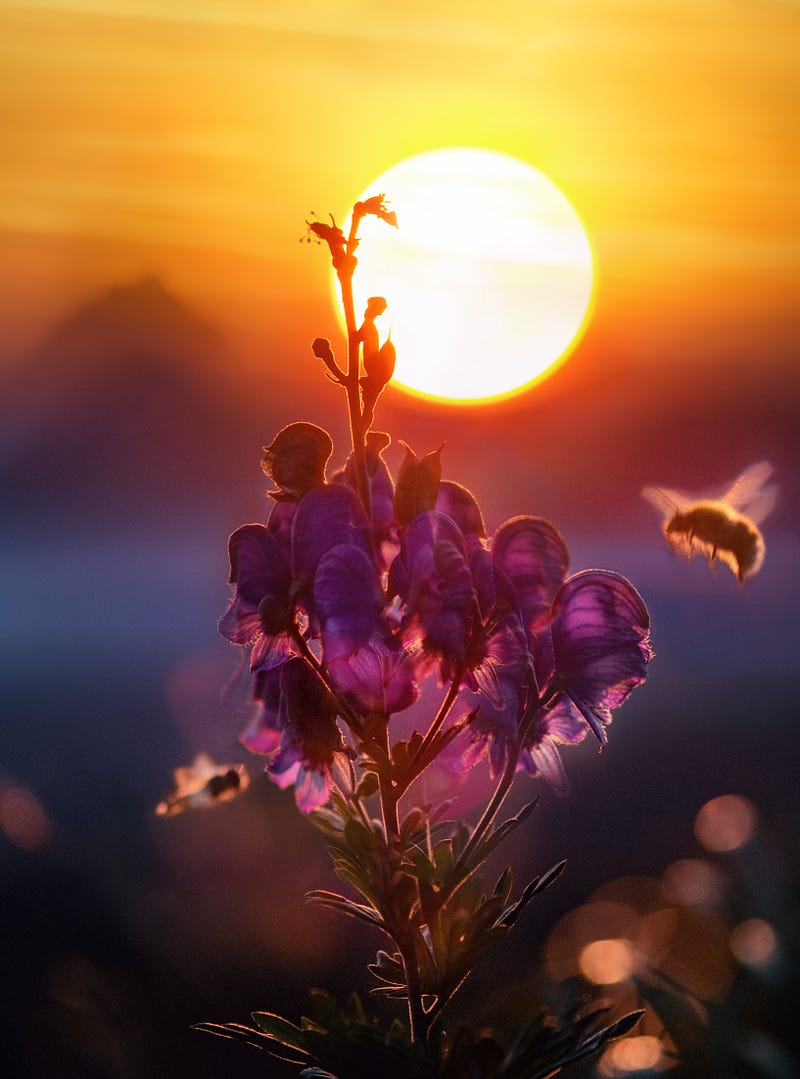
Photo by Simon Berger on Unsplash

We Can All Do Our Part to help bees

  • We can plant bee-friendly plants
  • We can give them a water supply
  • Don’t use pesticides
  • Support your local beekeeper

Plants that attract bees

We can do our part in planting beautiful bee-attracting flowers in our gardens to save the bees.

Bees love marigolds, mint, pansies, peonies, goldenrod, bee balm, sunflowers, zinnias, and lavender, as well as many other types.

Hope on the Horizon

In conclusion, honeybee venom and particularly melittin may be the key to impacting the health of those afflicted with breast cancer for the better. Researchers are still only in the beginning stages in discovering all the benefits that bees can bring us. They are truly beneficial insects that can help humanity.

Let’s hope this breakthrough in research on honeybee venom and melittin saves many people’s lives. Researchers say it will be a long time before this treatment can be used in humans, but the good news is that there is hope now on the horizon.

Science
Medicine
Honeybees
Breast Cancer
Women
Recommended from ReadMedium