
Homeschooling Tips and Resources That Have Worked Wonders For My Diverse Learners
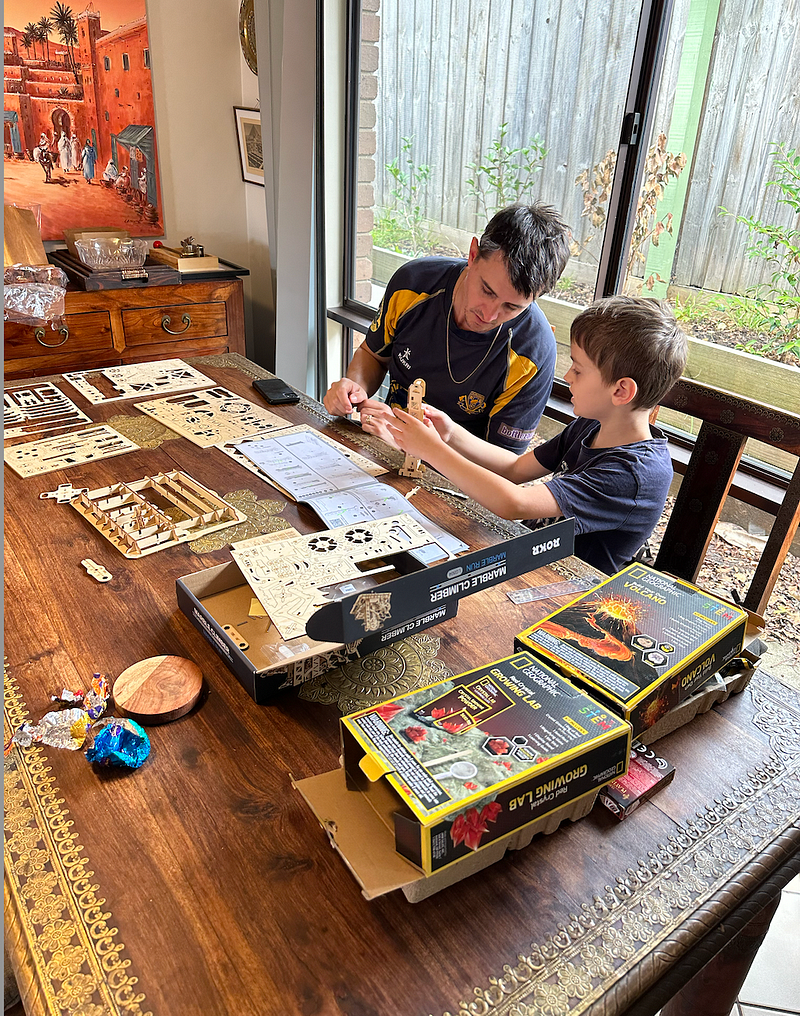
As a homeschooling parent, I’ve had the privilege of watching my children grow and learn in a way that is unique to their individual needs and interests.
However, homeschooling also comes with its own set of challenges, especially when it comes to accommodating diverse learners.
With four children of varying ages, learning styles, and interests, finding a teaching method that works for everyone has been a journey.
Over the years, I’ve discovered several tips and resources that have worked wonders for my diverse learners, and I’m excited to share them with you in this article.
Whether you’re new to homeschooling or a seasoned pro, I hope these insights will provide you with inspiration and guidance for creating a successful and fulfilling homeschooling experience for your own diverse learners.
Learning Styles
One of the biggest challenges of homeschooling diverse learners is understanding and accommodating their individual learning styles.
As a homeschooling parent, it’s important to recognise that each of your children may have a different approach to learning, whether they are visual, auditory, or kinaesthetic learners.
Identifying these learning styles can help you adapt your teaching methods and resources to best accommodate their needs.
For example, I’ve found that one of my middle children is a visual learner and benefits from seeing concepts illustrated through pictures, diagrams, and videos.
Put anything written in front of him (unless its gaming related!) and he runs a mile!!
To accommodate his learning style, I make sure to incorporate visual aids into our lessons, such as colourful infographics and educational videos.
My second child, on the other hand, is an auditory learner who benefits in a big way from personal discussions — we have big talks about the world, using our world globe as a visual cue and then following his lead and interests.
For him, I often also use audiobooks and podcasts to supplement our lessons and he actually reads (!) the articles I send him that support his interest and learning in the topics we talk about.
There are many resources and tools available to help identify different learning styles.
One of the ones I’ve recommended previously is the VARK questionnaire, which can help determine whether a child is a visual, auditory, reading/writing, or kinaesthetic learner.
Once you have a better understanding of your child’s learning style, you can tailor your lessons (which may be very informal if you’re anything like us!) to better accommodate their needs and strengths.
Incorporating different teaching methods and resources for different learning styles can help make homeschooling a more engaging and effective experience for learners.
Curriculum
While some homeschooling parents prefer to use a structured curriculum, our family has found success with a more flexible approach.
We do a method of homeschooling often referred to as “unschooling”, where we encourage self direction, provide support, guidance and opportunities to support their interests and use a variety of resources and tools to support their learning,
One of our favourite resources is YouTube, which provides access to a vast array of educational videos on nearly any topic imaginable.
We also use iPad apps such as Reading Eggs and math games to supplement our lessons.
And, all of our children have also found incredible learning opportunities in games such as Minecraft, which allows them to explore and create in a virtual world.
Our middle son who refused to sit down and formally learn how to read for example, learnt how to read almost overnight when he was 7, after developing a deep desire to learn specific skills he needed for a game and with a new desire to learn how to code.
While I had taught him the basics of the alphabet and letter sounds during his younger years, it wasn’t until he developed an intrinsic motivation that he truly grasped these skills in a more comprehensive way. Since then, his reading and writing abilities have improved by leaps and bounds.
We believe that learning is in everything we do, from cooking and gardening to exploring nature and reading for pleasure.
By taking a more holistic approach to education, we’re able to nurture our children’s natural curiosity and help them find meaning and relevance in their studies.
That being said, we recognise that some parents may prefer to use a more structured curriculum.
Our oldest child did use government-backed correspondence school courses in her later high school years, which provided a more traditional approach to education.
This also made for an easy transition into university studies for her.
Ultimately, the choice of curriculum or approach to homeschooling will depend on your family’s values, goals, and the unique needs of your diverse learners.
By staying open-minded and willing to adapt, you can find a curriculum or approach that works best for your family.
As advocates of unschooling, we do highly recommend exploring this approach further if it resonates with you though — joining one or more of the relevant Facebook groups for unschooling parents is a great place to start.
Resources and Tools
In addition to adapting our teaching methods to accommodate our learners’ needs, we’ve also found a number of resources and tools that have been incredibly helpful in our homeschooling journey.
Here are some of our favourites:
- Khan Academy: This website provides a wealth of educational videos, exercises, and quizzes in subjects ranging from math and science to humanities and economics. It’s been particularly helpful for our visual and auditory learners.
- Duolingo: This language-learning app has been a great resource for our learners who are interested in studying foreign languages. It’s easy to use, with fun and engaging exercises, and it’s free!
- Epic!: This online library provides access to thousands of books and audiobooks for children up to age 12. It’s been a wonderful resource for encouraging our children’s love of reading and exposing them to diverse perspectives.
- Homeschool Share: This website provides a wide range of free resources, including unit studies, lapbooks, and literature guides, to supplement our lessons. It’s been particularly helpful for our kinaesthetic learners, who enjoy hands-on projects and activities.
Creating Learning Spaces
Creating a comfortable and organised homeschooling space has been important for helping our learners thrive.
While our entire home serves as our homeschooling space, we’ve also created dedicated areas for specific activities and resources.
Our garage, for example, is sectioned into dedicated art, building, and potting spaces.
In our lounge, we repurposed an old floor-to-ceiling bookshelf for storing various kits, project materials, and building blocks like LEGO, Duplo, K’NEX, and Mobilo.
Each of our kids also has their own desk, which we’ve organised using affordable Kmart bamboo organisers. This helps them keep their materials and resources easily accessible and organised.
To facilitate learning, we also believe that technology is an important tool for each of our learners.
Each of our children has their own iPad, and our older children also have laptops to meet their learning needs — which we know is not for everyone and can challenge the budget!
That said, we believed it was important to made tech a priority because although we want our kids to be out in the world and experiencing all it has to offer too, we acknowledge how important tech is to the world we live in now and how important it is going to be in their futures.
We’ve also made sure to create a comfortable learning environment that includes a big, comfortable couch and separate sections for each set of resources.
For example, our youngest have a role-play and dress up station space, and there is lego building and reading spaces too.
Non fiction books have their own section of the lounge, and then we have a large selection or rotating fiction books always out for those moments too.
While we prioritise giving our children autonomy to make choices and follow their interests, we do have specific boundaries around electronic use, including a ban before lunch and various activities outside the home throughout the week.
This helps balance screen time with other activities and ensures that our learners are engaging in a variety of learning experiences.
By prioritising a comfortable and flexible environment and providing access to necessary technology and resources, we’ve sought to give our kids the best chance to thrive.
Neuro-diversity
Accommodating the diverse needs of our learners, including those with neuro-diversity, is a key priority in our homeschooling journey.
With a couple of our kids exhibiting traits on the autism spectrum, we’ve found that unschooling has given us the best chance of meeting their individual needs, rather than trying to force curriculums that didn’t suit their particular learning styles and personalities.
One of our sons, for example, is passionate about chess, math, and filmmaking — we’ve been able to support these passions, while accommodating other types of learning within these interests, including enhancing his writing and reading skills in relation to his story telling through film, and involving him in social groups with others with similar interests — beautifully, these has included both young and older people.
For learners with special needs, it’s important to be flexible and creative in finding accommodations that work best for them.
This might involve adapting teaching methods, using assistive technology or tools, or simply providing a comfortable and safe learning environment that helps reduce anxiety and sensory overload.
For our noise sensitive kids (there’s two in particular!), we’ve found that outside, nature based activities and bush walks tend to be much more conducive to their wellbeing and learning needs than smaller enclosed spaces with lots of people.
Homeschooling can be a challenging but rewarding journey.
Through our own experiences, we’ve discovered that adapting teaching methods, finding the right resources and tools, and creating a comfortable and supportive learning environment can make a big difference in helping our diverse learners thrive.
By embracing our children’s individual learning styles and passions, we’ve been able to create a personalised and engaging homeschooling experience that works best for them.
I hope that my tips and resources have been helpful in providing guidance and inspiration for your own homeschooling journey.
Thank you for reading, and happy homeschooling!