
Homelessness in America
Do we see them or ignore them — the homeless people?
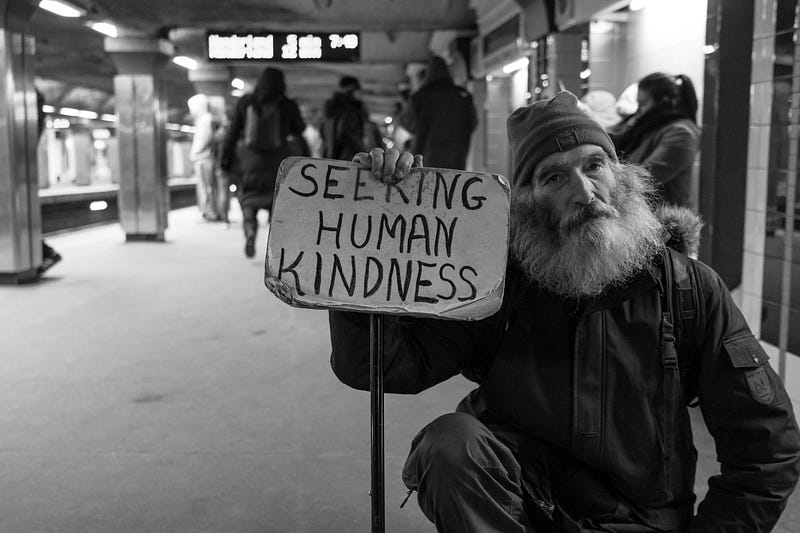
I can still remember the sight of a young woman across the street. It caught me by surprise as it was my first time in America.
I never thought I would see someone begging for money, a daily occurrence from where I am from, the Philippines.
What followed next was more troublesome, as one man out of nowhere walked his way to the young woman, I thought I would be witnessing a random act of kindness, the way I have seen in the movies, but as soon as the man was closest to the woman, he spat on the woman and shouted some expletives that I don't remember anymore, he was angry.
And the woman, as if she has been accustomed to this kind of behavior, appeared to be stoic and remain seated to where she was, as more people passed and I didn't do anything except feel sorry for her.
Not in America
I was in America not as a tourist nor as an immigrant. I was working on ships as a photographer, and everything I knew about America is from what I read, what I saw, and what I heard from Americans. Some happen to be my relatives.
On that day, I accept that it is hard to find yourself with nothing in America, or worse, homeless. Not only are you invisible to the majority of people, but you are prone to abuse, and it will be hard for that abuse to stop, as like anywhere in the world, do homeless people ever go to the cops to ask them for help?
POSTED IN CALIFORNIA DIVIDE
One man’s lonely journey through California’s plan to end homelessness.
If you have the time to read this article, you will have a glimpse into the life of a homeless person.
America has its share of homeless people, and early in the pandemic, I was thinking of the homeless people, asking myself what kind of life awaits them. Would they even be on the list of what-to-dos by the government in a confusing time?
With the total lockdown, they may have the streets, but with no stores open, they have no other place to defecate, but on the empty streets, it happened in San Francisco, but it was happening long before there was a lockdown, which is why in San Francisco, they have what they call the poop patrol.
Fernando Maya
Some would blame the homeless people, but do they seriously want to be sleeping in the streets?
For Fernando Maya, it didn't start that way. Instead, a former Navy veteran who traveled as far as the Philippines to serve his country ended up as a homeless person.
Shouldn't be veterans be helped by the government, regardless of what happens to them after they are discharged?
Some of these veterans become mentally unstable. PTSD is common among them, especially those who serve in a war.
In the article, you can see his struggle, even when he was given a place to stay during the pandemic, wasn't enough to help him transition from being a homeless person to a person who can take care of himself.
As many of us were having mental breakdowns during the pandemic, life for Fernando Maya wasn't easy. Even when he had his place, he couldn't find peace. So he found his way back to using drugs.
Final words.
When homeless people relapse, we shouldn't quit, especially not the government. But, on the other hand, Fernando Maya shows a little help goes a long way. He may have tripped, but when people didn't quit on him, he rebuilt his life slowly, not at the pace we expected, but at the pace he is comfortable with.
People like him should not be punished when they fail because we have to ask ourselves, if we also failed them, has the system failed them, and has the government failed them?


