
Addiction Uncovered
Homelessness
Our Society: Addiction and More Uncovered Ch 44
Sometimes, things just don’t work out. My mom lives in an area in Hungary where the soil is very sandy. She tried to plant different plants. Many died because of the sand or the hot summer and the lack of rain. There is only so much water she can do, water is expensive, and it just runs down on the sand. She changed tactics. She put tomato plants in big pots and buried the pots with the plant to hold some moisture. Topsoil can be added as another solution she would need a lot of it to have enough to prevent the sand from just filtering through the water but not providing nutrition.
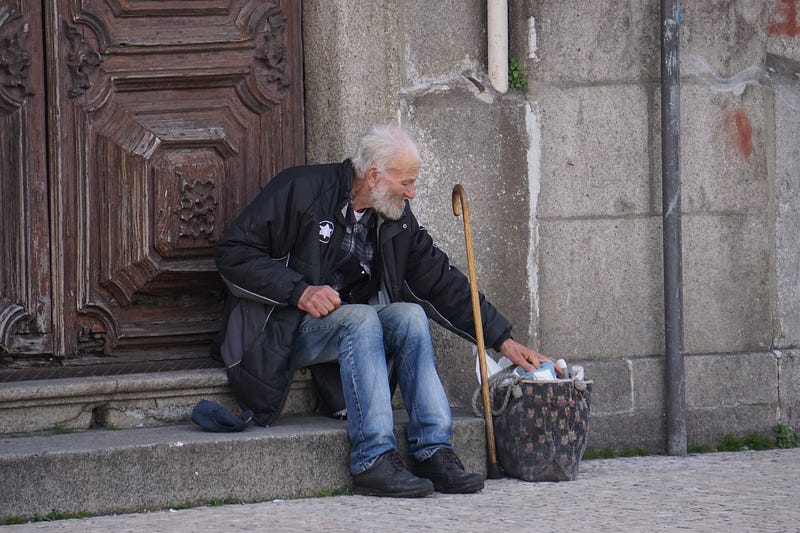
How much support and topsoil would a homeless person needs to create roots and become part of society again? To re-create broken family connections, and friendships, find a job, and feel like a productive happy person in their skin? Can we just add topsoil? Or do we need to dig deep and remove the sand first? What do people feel like when they see someone living on the streets? Under the bridge? Squatting in an abandoned house?
There is a video called Seattle is Dying that addresses some of these issues. Homelessness is a problem. Homelessness came up in many conversations I had with people. Bernadette describes frustration with the homeless problem in her county. She feels like the situation has changed a lot in the last decade. She feels that mental illness is scapegoated a lot. Tracy mentioned earlier that she felt that homelessness and mental health are linked.
Bernadette thinks that the people who are homeless now maybe have some mental illness, and the main problem is addiction. She feels a major problem in the USA is that people don’t want to give back. She gives an example that part of her emotional health is giving back to others, she feels that many of the homeless people we have now don’t want to give back. They want to take. They want to get high all day, she does not agree with this. She feels when she first moved to Clatsop County, Oregon the majority of homeless people were severely mentally ill. She feels the problem now has been talked about for a decade and nothing has been done. She does not think the rest of the people who live there fear this. She does not like to be harassed for money all the time and sees littering on the sidewalk. Defecating on the sidewalk. She feels addiction is the problem. She does not know what the solution is. It is bad for business and it creates an unhealthy downtown. Her view about this issue just changed in the past few years. She sees homeless people more in their addiction less as a victim and more as people dealing with addiction and harassing others. Not a simple situation.
What can we do? Can we send people to rehab by court order? It would benefit society in a long run. The problem is there is not even enough room for people who want to be clean. She feels this would only happen if it is mandated. She sees so much lying and manipulation on the streets. Long-term rehab might help.
How about people’s rights? Is putting a needle in the arm causing harm to the self? Could treatment be mandated for this? She feels hopeless about the issue. A lot of putting band-aids over the issue won’t fix the problem. Is it fixable? Bernadette recalls knowing students from Portland, Oregon who were homeless and shooting up heroin. Then they go to a hotel with their pimp and the pimp sells them out to other men and they can’t leave the hotel and now they are prostitutes, still shooting up. Then she said:” F***, then until they go to jail, and can clean up they just can’t get out”. She does not want people living in the streets and also don’t want them living in tent city either. She gives an example in Portland, Oregon where the camp was in Chinatown and a lot of those businesses had to close. They were open for decades before. Homeless people are not seen in the rich white neighborhood she adds. They were in Chinatown where Asian people have businesses.
She feels this is institutionalized racism. F***, she said how is that ok? Where are the business owners’ rights she asks? They are just trying to make a living too. Provide for their families. What about their rights? She feels like the homeless are not victims anymore and they are in an environment that allows them to continue using. It is not ok, she said, it makes her mad. She is truly mad I can hear in her voice. She thinks the solution could be to make everyone go to rehab and make them stay there for 16 months.
Another view on homelessness. Diana recalled a news report where a neighborhood decided to keep the homeless people agitated by playing loud music 24/7. Why would anyone do this Diana asks? These people need to sleep. Why people are so cruel and try to get them away? Disturbing them and making their mental health worse by having to listen to this crazy music 24/7? Bill tells me a story about getting breakfast sandwiches one morning to give to people by McDonald’s in Astoria to prevent them from getting a ticket for hanging out in an area they are not supposed to be. Just to see that the truck before him did the same thing. Then he decided to drive into the downtown area and give away the 6 breakfast sandwiches to people who were hungry that morning.
He said: “looks like you could use a breakfast sandwich”. He did not ask why they are there, why they have nothing to eat. He was just kind. He gave what he could. Without being asked, without wanting anything in return. Those 6 people had breakfast that morning. With the good deed by the truck driver, 3 other people had breakfast in Astoria that Sunday morning. He did not tell me the story to show off or put himself in a good light, he just did what needed to be done. He wanted to help the three people at McDonald’s, so they don’t get into trouble. He ended up helping another 6 people.
Flower talks about the homeless problem, she feels that a lot of the homelessness is connected to addictions and mental illness issues that are not being addressed. She feels like we have to come up with a better solution, something that helps. Not just move people from the camp to camp. Identify and assess the actual reasons for homelessness to come up with a solution. She does feel strongly about people using the streets for a bathroom, she does not think this should be allowed and there can be better solutions. She feels that we as a society need to take responsibility and look at homelessness. She feels that there are people who are down on their luck and providing support is great and purposeful but to tolerate that this is an issue is not a solution. Flower tells me a story about something she saw last week at Northgate in Seattle.
There is a sign for cars stating littering will hurt. Meant for cars. Just across the street, the City of Seattle was there with Police and people from transportation to clean up a prior homeless encampment. They had an excavator to clean up all the litter and the trash. Huge amount of trash. She found it ironic that there are no consequences for people in that case but right across the street it states litter will hurt. She feels like it is a double standard for sure. There are two different standards for people, and she thinks, no, it’s not right we should come up with a better solution so the city would not have to come with an excavator to clean up all the trash. People could have a safe place to be, offer them treatment services and mental health services would be the biggest intervention of all.
We talk about difficulty getting into treatment and treatment only being available for certain types of addictions. She knows that they closed down a quite few Medicaid services and opened some for pregnant women. How about the men who are the partners for the pregnant moms? How about other women and men? Flower feels that the more we can do to support people the better outcomes we are going to see. Making it less difficult to get into treatment if people don’t have insurance. It is a perpetuating problem. Sometimes people get better in jail because they can’t get stuff in jail, but there got to be a better way. There needs to be a better solution for this.
Previous chapters
If you like my writing please follow me here, Subscribe to the Medium platform using my link here, Buy me a coffee here . My Books are available on my website here, Amazon here and on Barnes and Nobles here
This book is dedicated to the memory of Bagóczky József my uncle who died at age 19 — alcohol-related car accident and to everyone else who has been hurt or lost related to addiction
Many people had been supportive and inspiring to me so I could create this book. Both of my wonderful children told me, just write that book, mom. My mom. I could have not done this without all the stories provided and the encouragement love and caring from my family and friends, nurses, doctors, counselors, teachers, professors, friends who are dealing with addiction and staying sober; and children, wives, husbands, mothers, fathers, sisters, brothers of people who are dealing with addiction currently. Thank you for speaking up, sharing your stories and life experiences. Thank you to all the people who read this book while in progress to provide feedback, ideas, and encouragement for me to continue writing. I would like to say special thanks to my friends and family for believing me and encouraging me to go on.
Our Society: Addiction and More Uncovered. Hear the voices of everyday people — a collection of stories and experiences.
Copyright @ 2020. 1st addition on Amazon KDP. 2nd addition Jan 2021 Barnes & Noble. Gumroad December 2021. By Dr. Gabriella Kőrösi. All rights reserved. Dancing Elephants Press.